I Created My Own Planner and Everything That Could've Gone Wrong, Did
There was a moment, a particular moment, where I knew I had to stop. I was sitting at my desk with my Passion Planner open, a Procreate file pulled up on my iPad, and Canva tabs scattered across my browser. Again.
I wasn't planning. I was fixing. Covering up sections that didn't make sense. Hand-drawing new layouts over existing ones. Creating workarounds for a system that was supposed to work for me but required constant maintenance just to function.
And then three things happened at once:
Passion Planner announced a price increase.
The ambassador program I'd been part of—the thing that kept me loyal longer than I should've been—was ending.
And their quality? It hadn't gotten better. It had silently gotten worse while I'd outgrown the structure completely.
I don't live an hourly schedule. I never have. But there I was, stuck in an hourly planner, playing planning Tetris every single week. That's when it hit me: I was planning with a bandaid mindset. Constantly patching. Never building. And my partner Rob? He wanted a planner too. I had originally bought him a Passion Planner earlier in 2025. He wanted to try and use one, but the second he cracked it open he felt overstimulated and overwhelmed. He didn’t need an hourly planner. But he did need and wanted a planner. It didn't fit his lifestyle. Everything else was too rigid or too cutesy or too corporate.
So I made a decision: I was done modifying. I was going to create my own thing. Whether it sold a single copy or not, I needed it ready by January. Because if I was going to plan my life, I was going to do it in a system that actually worked. What’s funny is, everything that could have gone wrong, DID GO WRONG! Which is why it’s taken me so long to talk about it.
Why Most Planners Fail People Like Us
Let’s start here because this is what nobody talks about:
most planners are inefficient as hell.
They're loaded with pages and pages of instructions. Inspirational quotes on every spread. Explainers for every single section like we can't figure out how to write in a box. It's the digital age. Put that on a website. Stop wasting paper. Stop making me flip past ten pages of fluff to get to the actual planning. Stop wasting my stickers, washi tape, and ephemera trying to cover up all the nonsense! No one needs the same directions every single year. There is no right or wrong way to planning, and those who need more guides, there’s websites, videos, and social media for that!
I'd been in the same 2 planners for years—Passion Planner and Artist of Life Workbook—and I loved them at one point. They were right for me then. But our lives aren't static. What works one year may not always work the next, and that’s okay. And I couldn't find anything else I wanted to take a chance on. There are options, there were potentials, but nothing really I truly wanted or screamed at me to bring it home. I also didn’t have the time to constantly make my own systems every month or week, I wanted something good enough as is.
I wasn't cycling through planners. I was white-knuckling the ones I had, modifying them into oblivion because starting over felt impossible.
Sound familiar?
If you're an overthinker, a comeback kid, or an ambitious beginner who's tired of rigid systems that don't bend with real life—this is for you.
What I Built Instead: Plan With Purpose
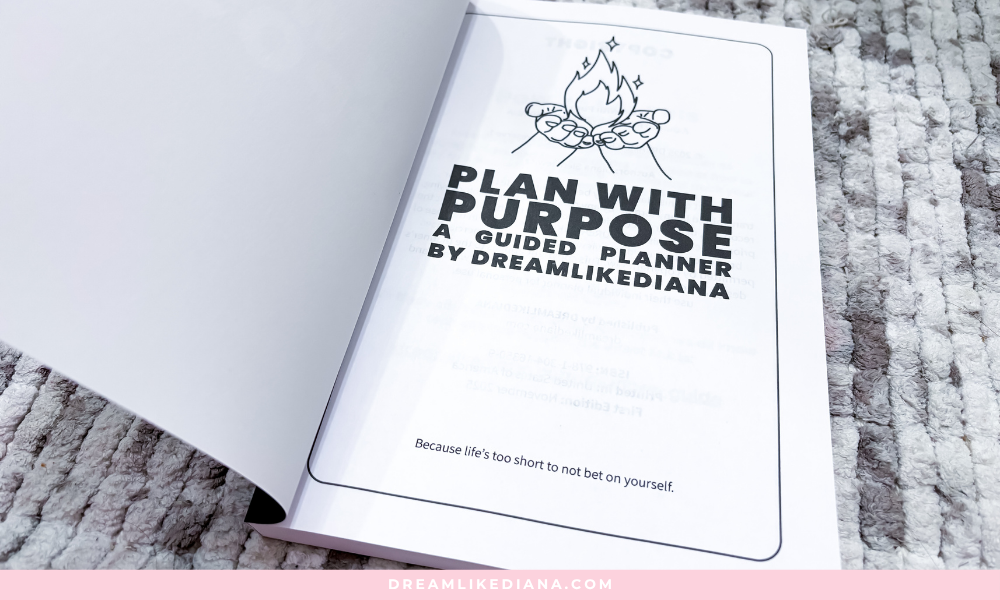
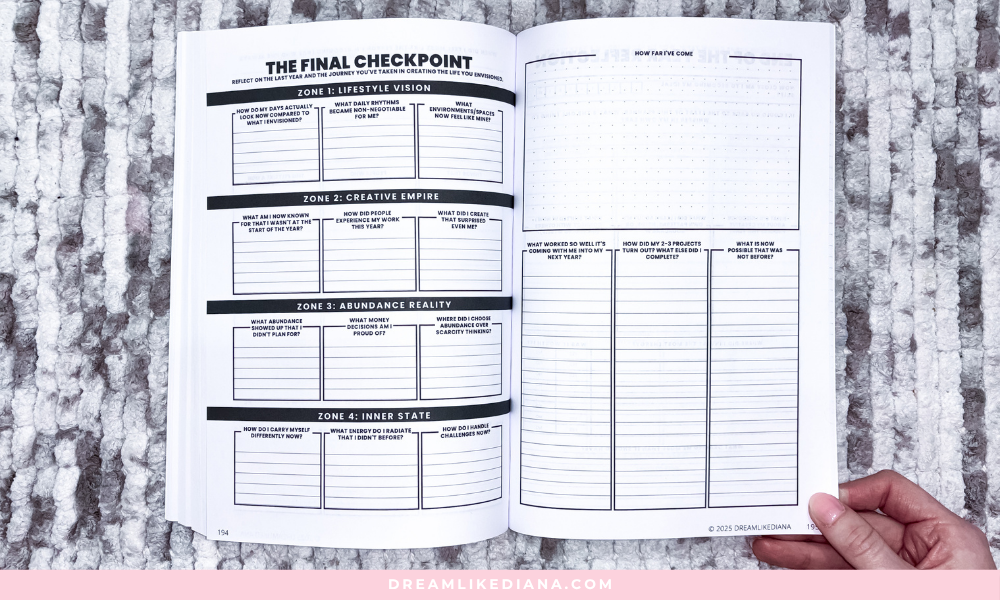
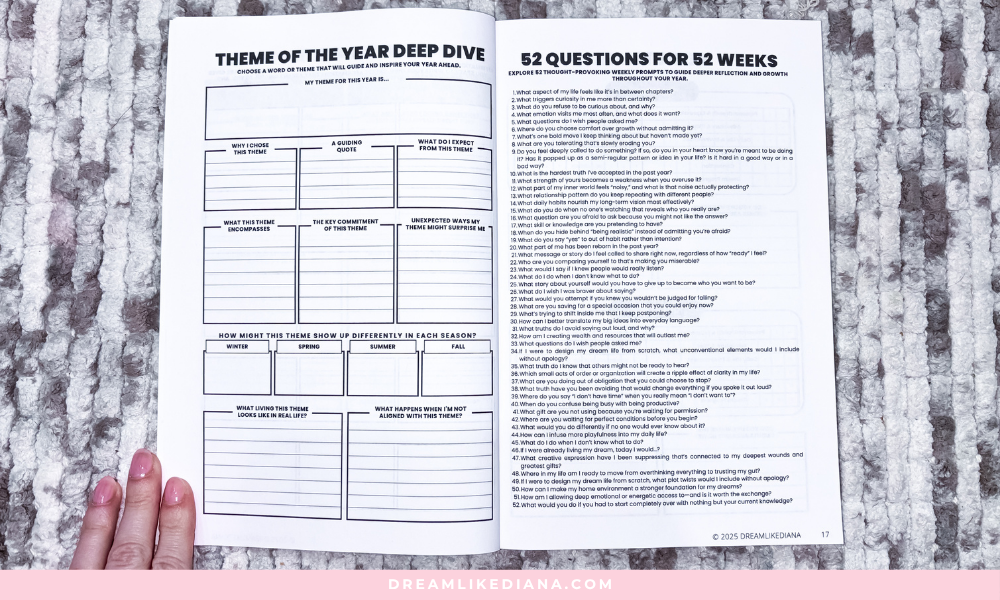
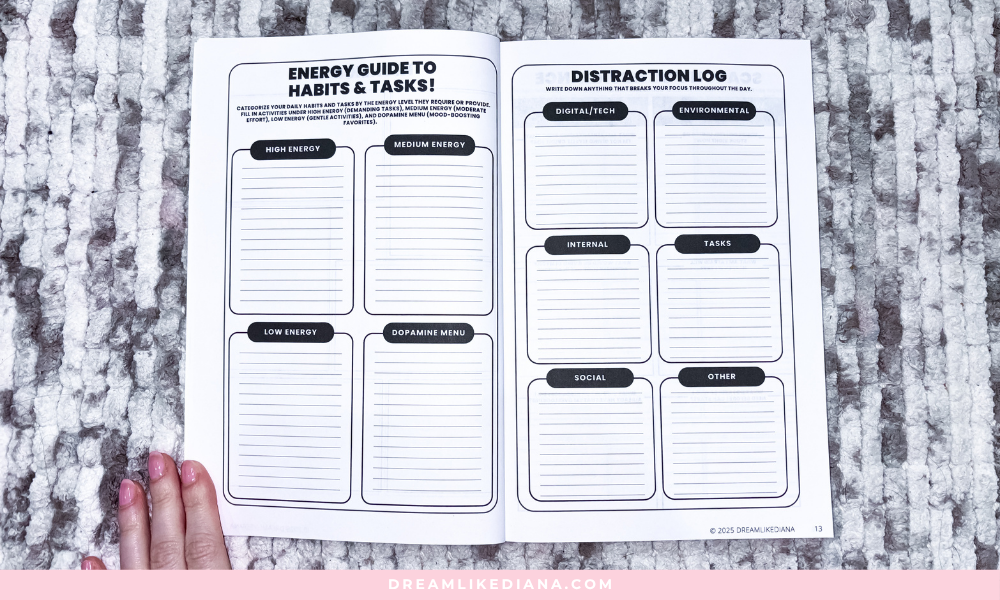
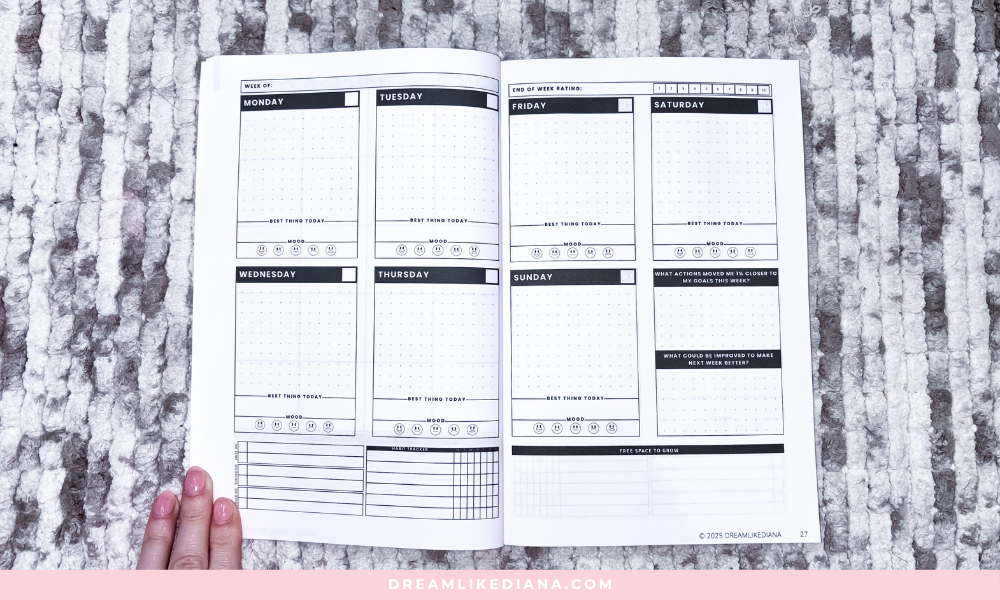
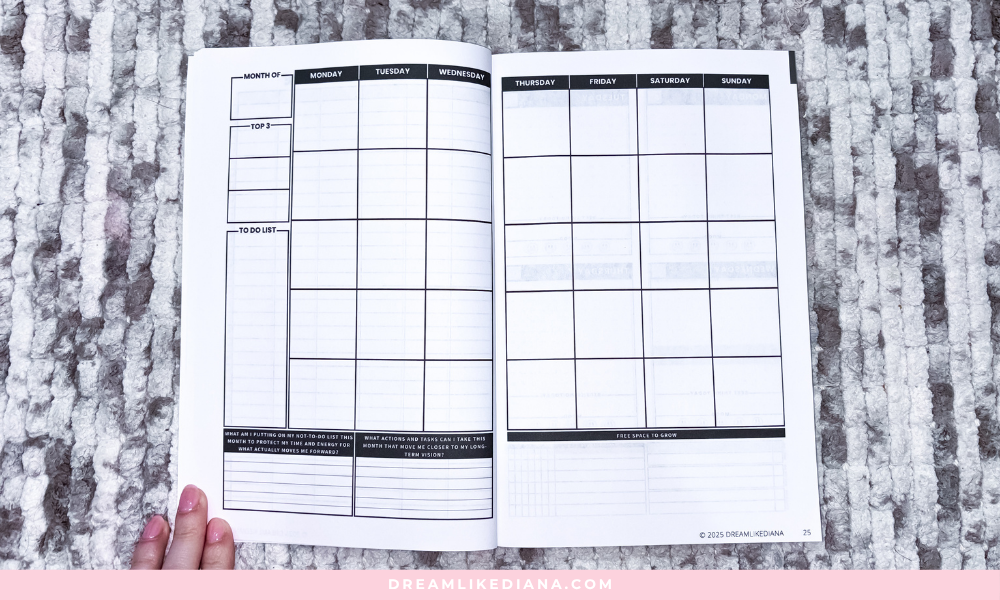
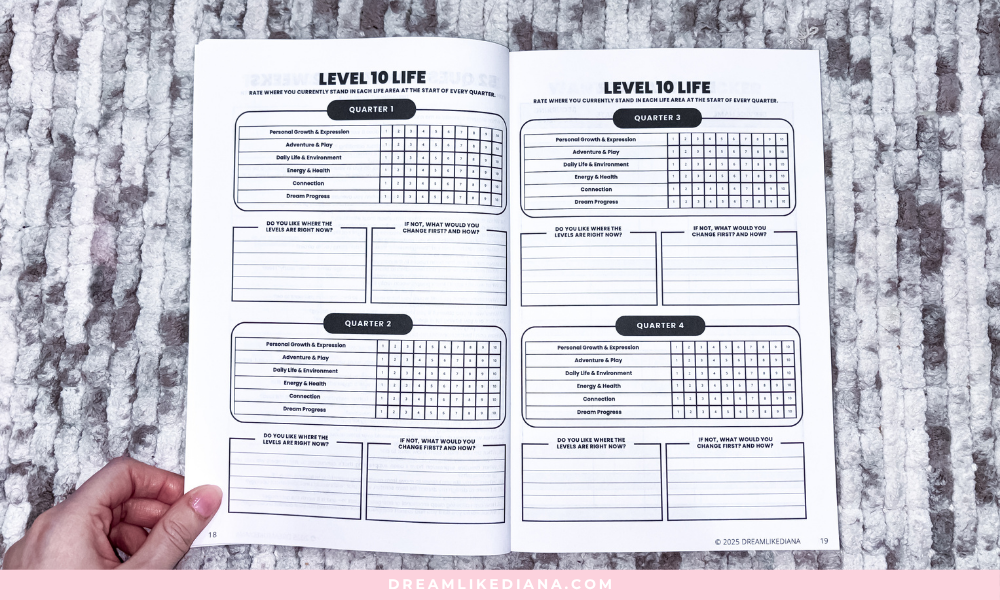
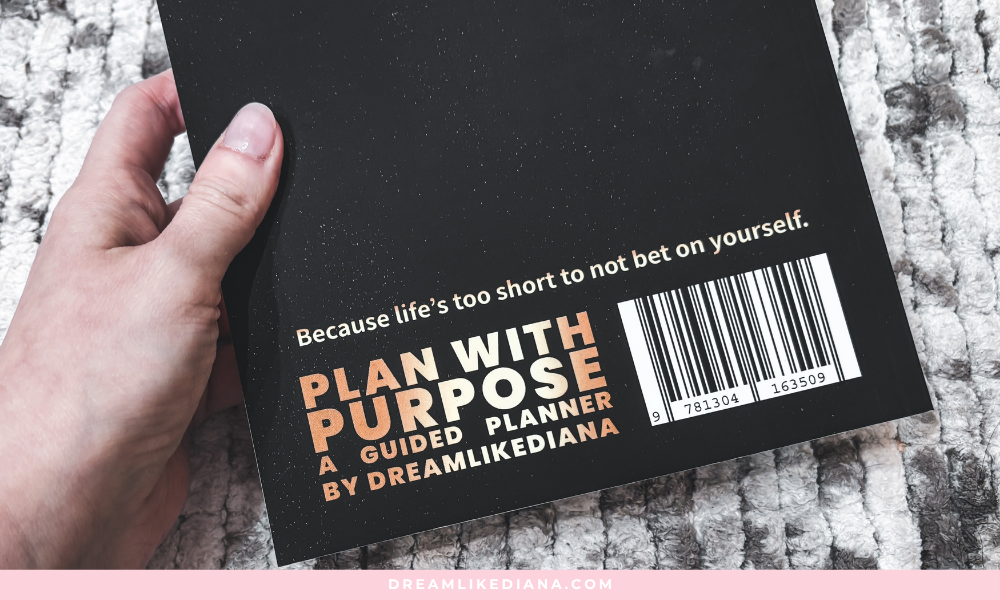
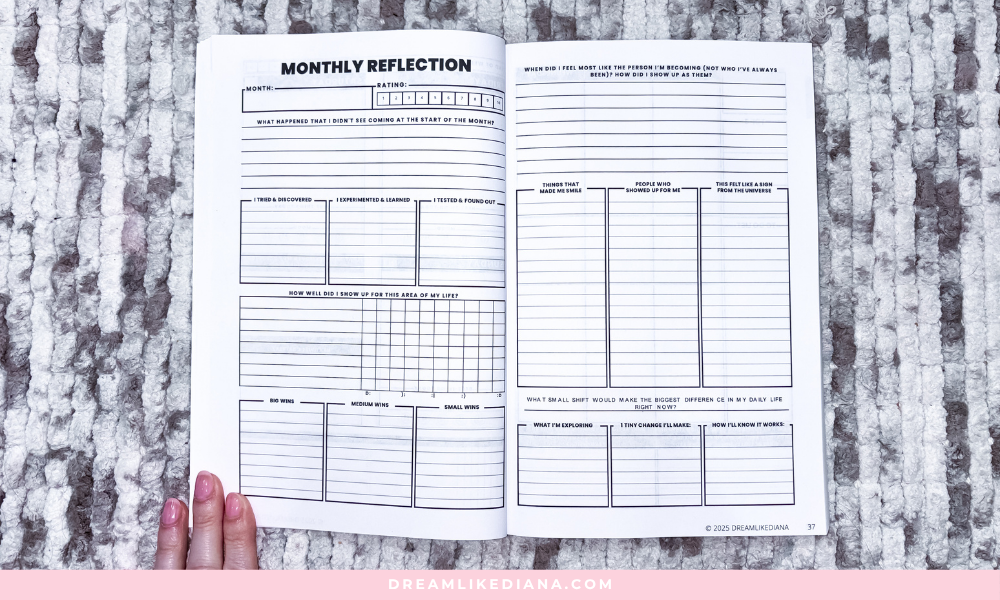
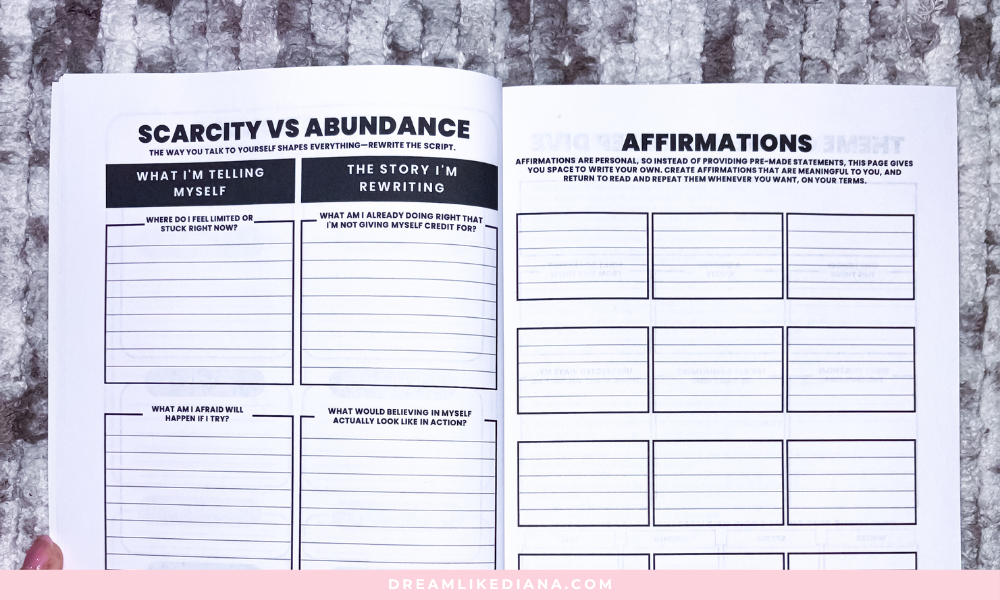
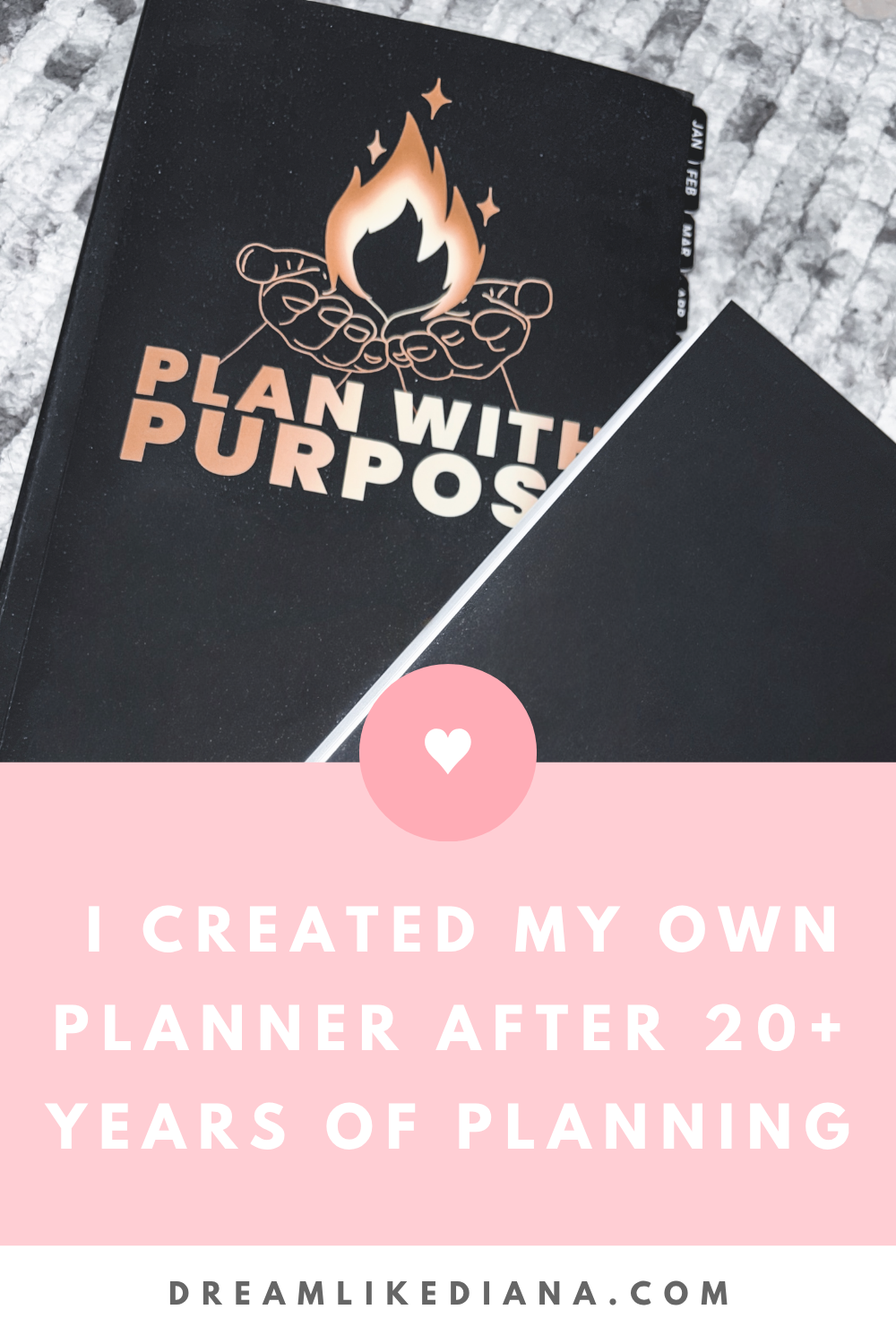
Plan With Purpose is the planner I wish I'd had years ago!
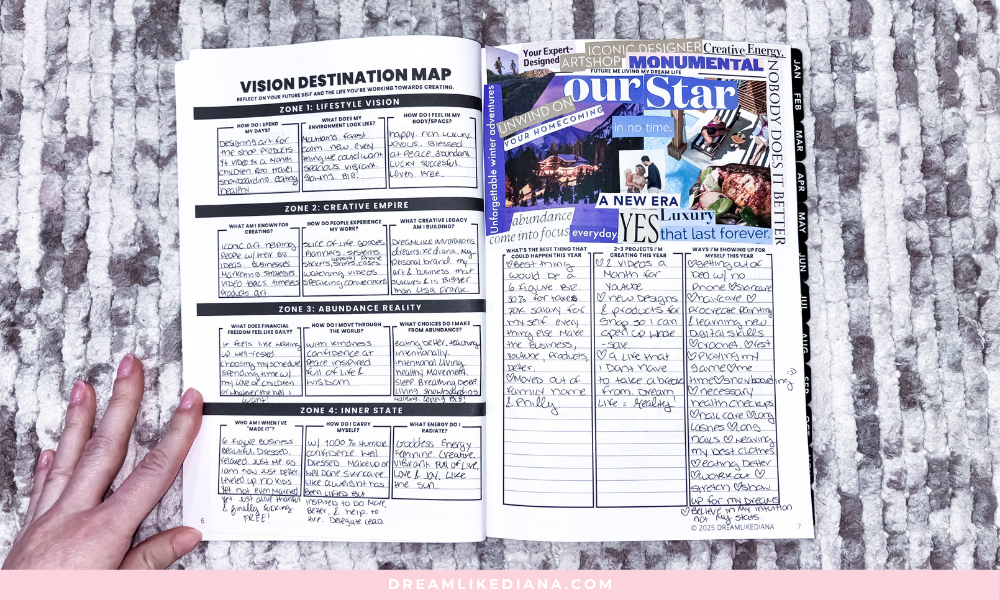
It's undated. It's mindset-forward. And it's built on 20+ years of personal planning obsession—not a corporate focus group or a productivity guru's one-size-fits-all framework.
Here's what makes it different:
Efficiency First
No instruction bloat. No wasted pages. Every layout serves a purpose, and if it doesn't, it's not in there.
Flexible Structure That Moves With You
Most undated planners do all 12 months upfront, then tack on 52 weeks at the end. Some only give you 4 weeks per month. But 4 x 12 = 48. Not 52.
Mine doesn't do that.
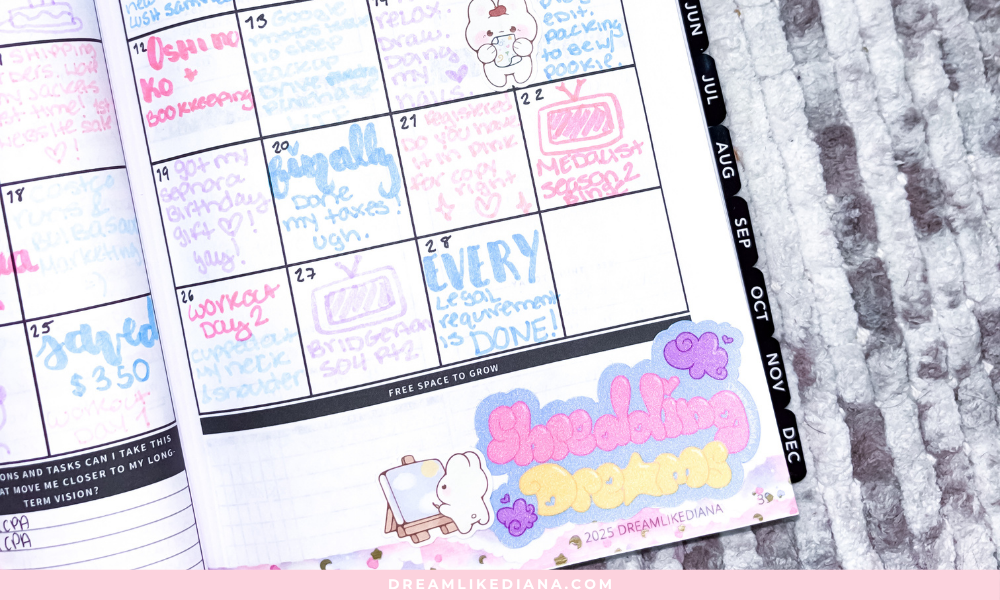
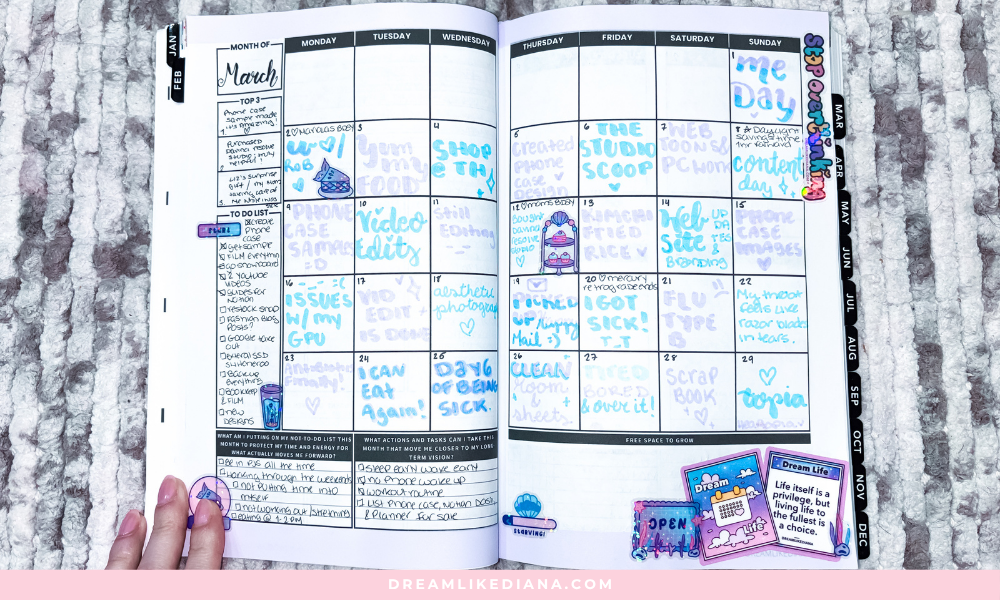
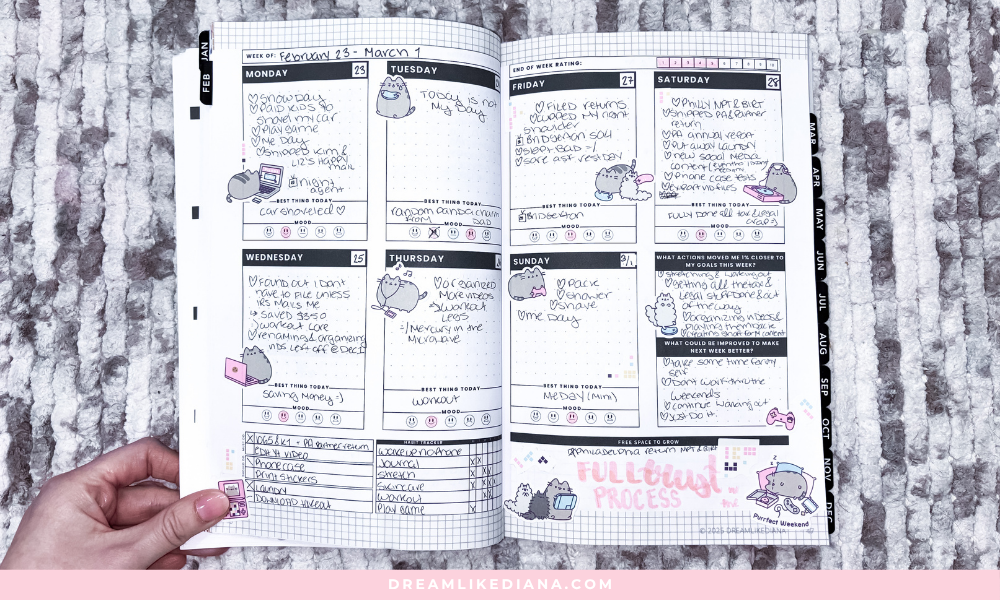
You get: 1 undated month → 5 undated weeks → 1 monthly reflection → repeat.
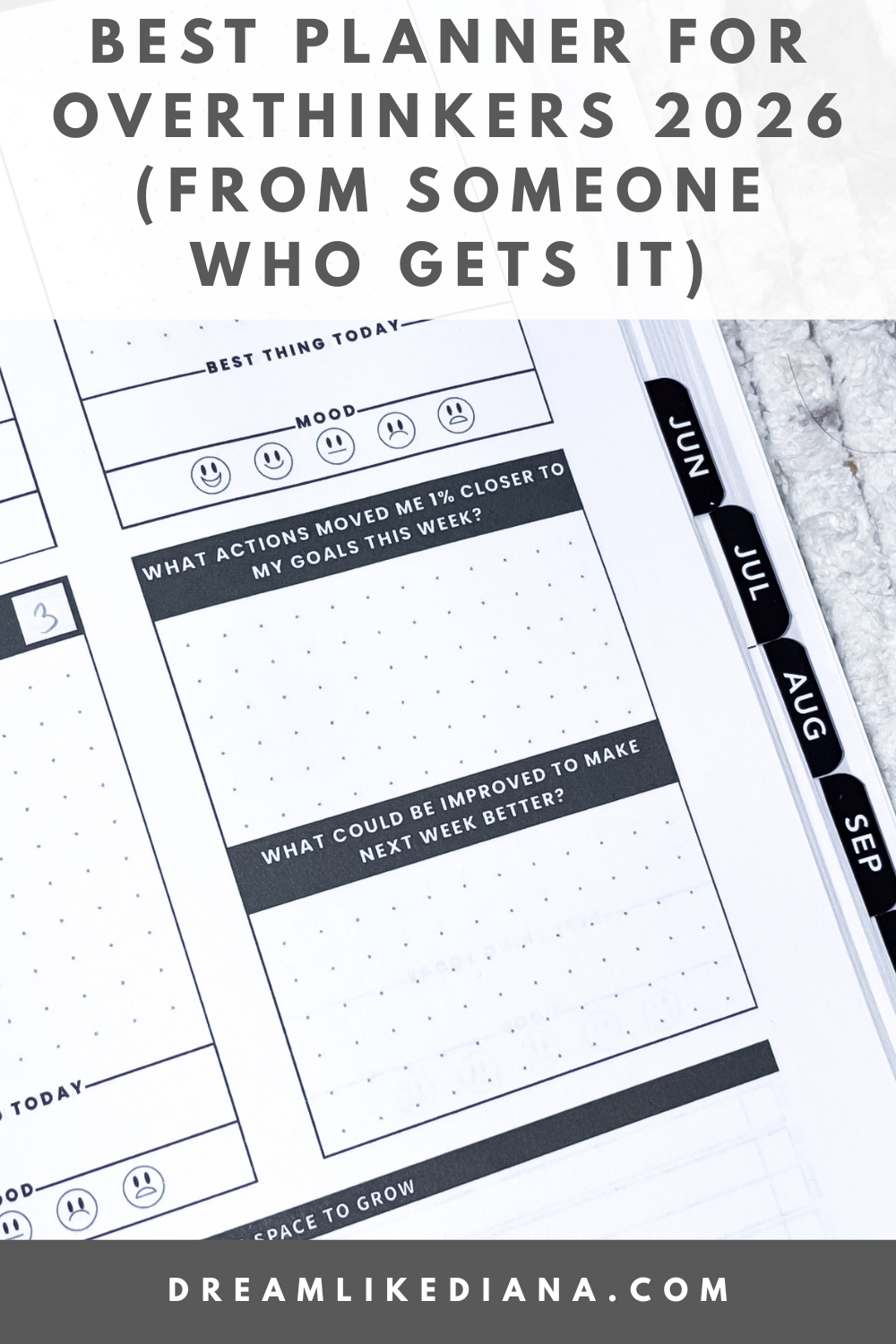
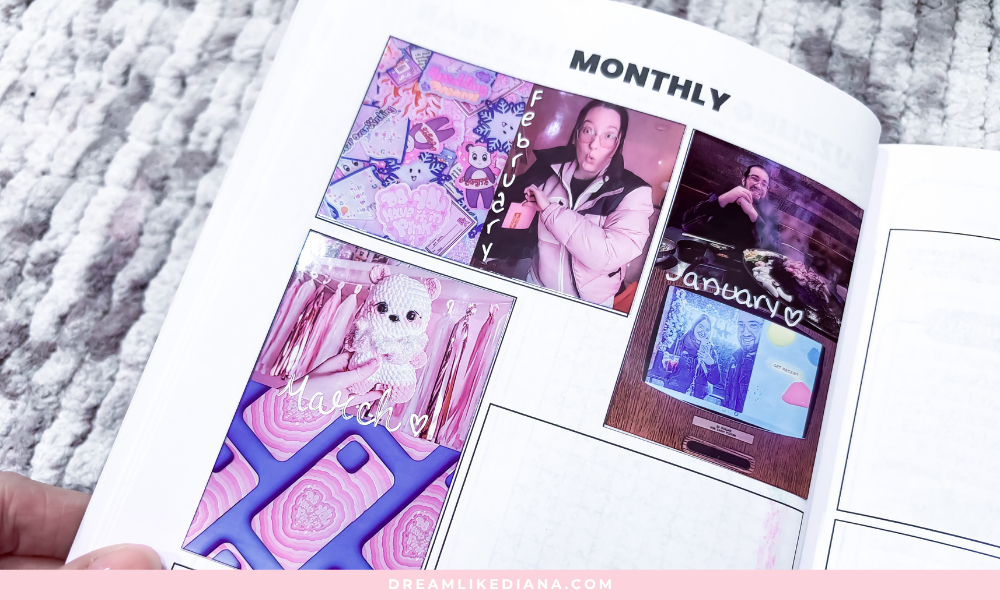
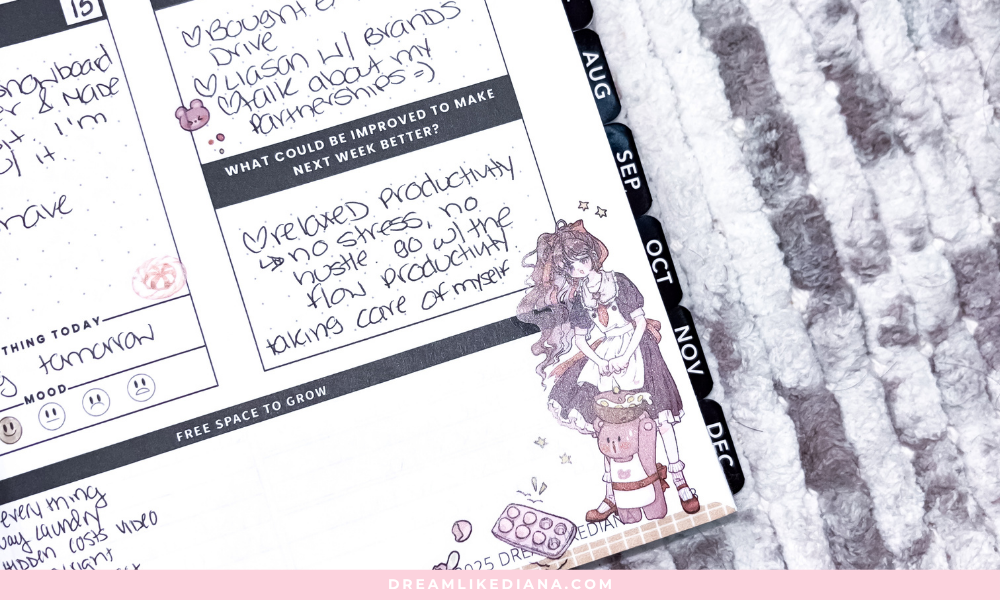
Each week has 2 hard-hitting reflection questions. Every day has a "best thing today" section and a mood tracker. Each week has a weekly rating scale. It's designed to help you move the needle forward—not just track what you did.
The Features I'm Most Proud Of
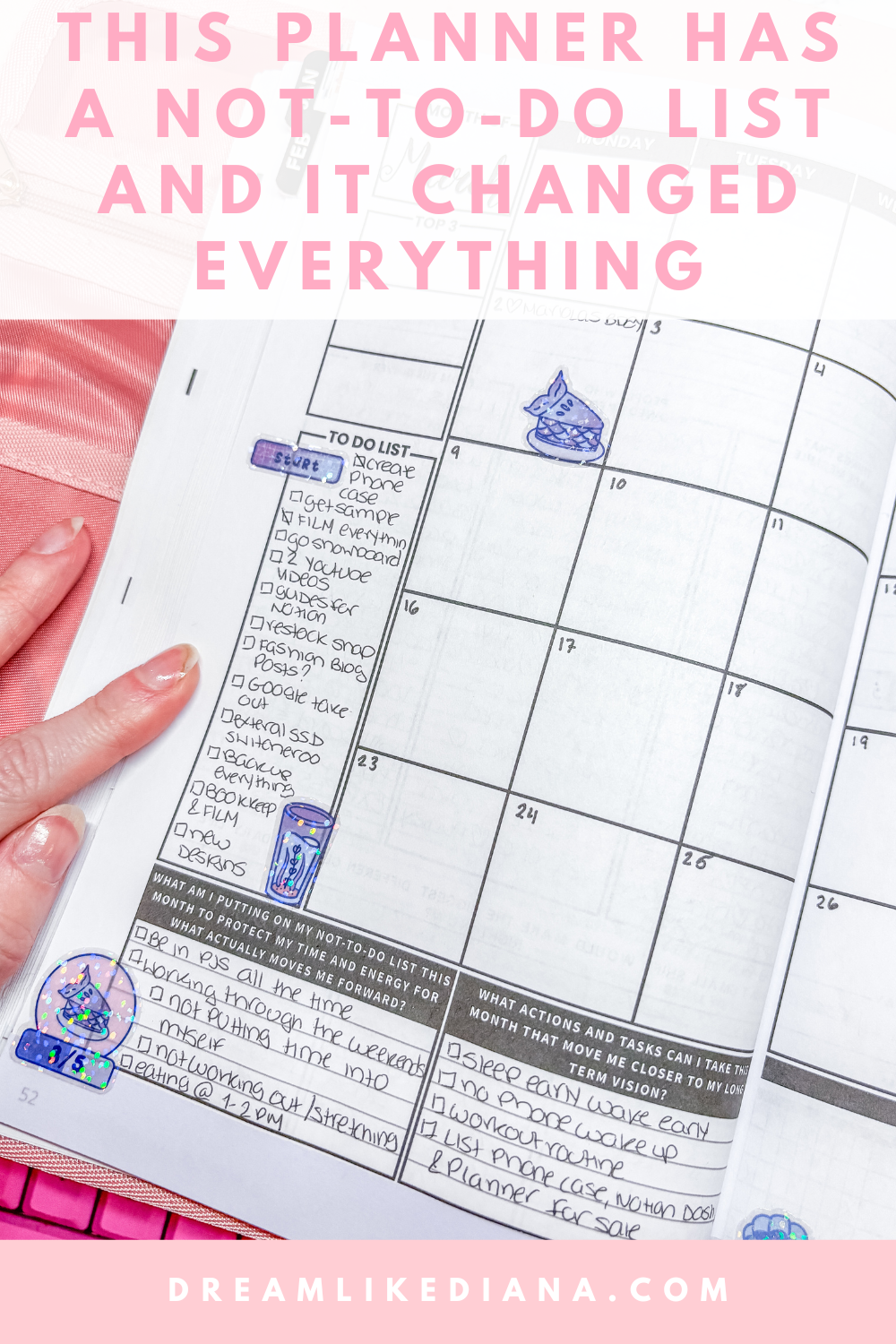
1. The Not-To-Do List - I've never seen another planner with this, and it's one of the most powerful tools I've ever used. Sometimes the most important thing isn't what you need to do—it's what you need to stop doing. This keeps it visible, every week, so you remember.
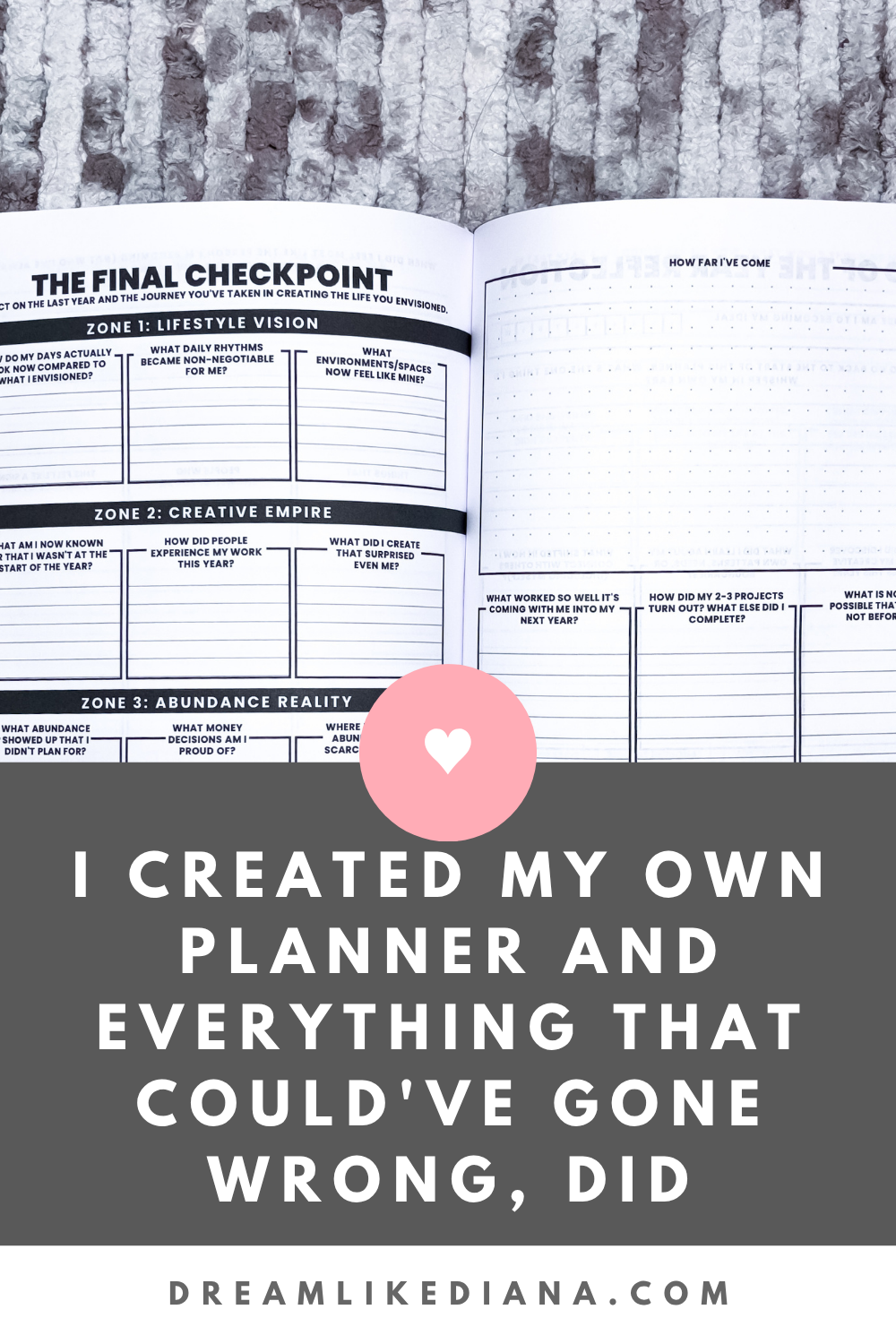
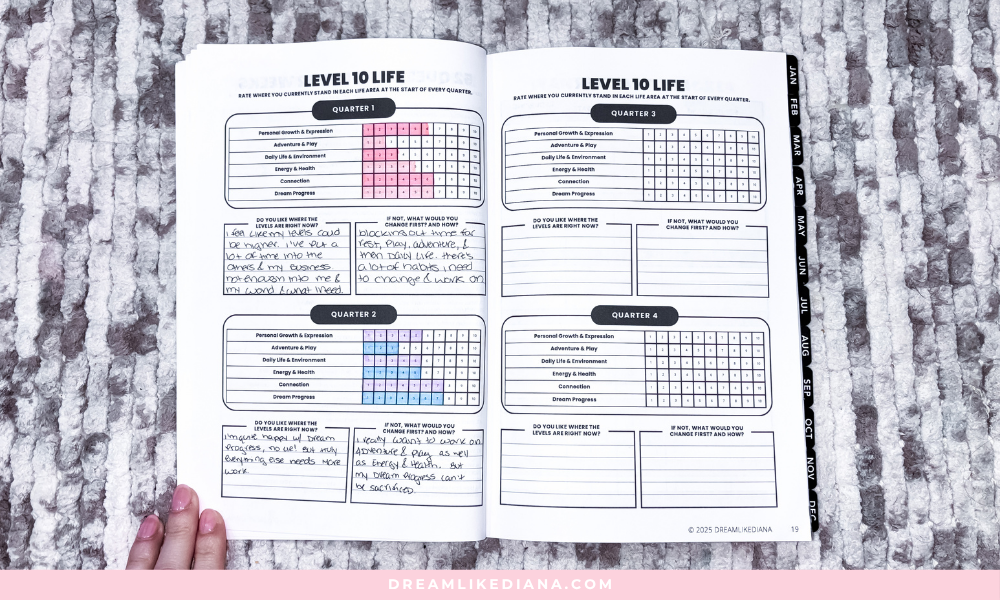
2. The Reflection System - Beginning of year. Mid-year. End of year. Monthly reflections. Weekly reflections. This isn't just a task manager—it's a system that gets to the bottom of your emotions, the story you're telling yourself, and what you actually know you have to do.
3. Real-Life Weekly Sections - These are the same weekly layouts I used to hand-draw in my bullet journal to get through my accelerated degree in college. They work. And now they're printed, structured, and ready to go without the setup time.
Who This Planner Is (And Isn't) For
Let me be honest with you. This planner isn't perfect. It's a first edition, and every version gets better.
This planner may not be the right fit if you're looking for…
Lay-flat (Smyth-sewn) binding
Ribbon bookmarks or a planner band
An envelope pouch in the back
Ultra-premium materials like linen wrap, gold foil lettering, or luxury finishes
A planner from a large, established brand with a high production budget
Zero paper ghosting—this planner is printed on lightweight planning paper, and ghosting does exist
And that's okay. Honest transparency is part of how I do business.
This planner is for you if…
You value supporting a small, independent creator who is building in real time—not a corporate brand
You care about function, intention, and mindset over luxury add-ons
You believe in progress over perfection—80% done and shipped beats 100% delayed, always
You want a planning system that works with your real life, your real energy, and your real pace
You are the everyday dreamer, the overthinker, the ambitious beginner, or the comeback kid who just needs the right structure to get moving
You understand that first editions are about learning, testing, and growth—and you want to be part of the beginning of something that will only get better
My Honest Take: The Cons
I'm not going to sugarcoat it. Here's what I wish could be different:
1. It doesn't lay flat. -Smyth-sewn binding is expensive—especially if you want it made in America. To do that, the planner would have to be $80+ before I even made a profit. The only way to get it done affordably is overseas, and I don't have that kind of budget yet.
2. The paper quality is decent, but not premium. - It's comparable to the Artist of Life Workbook—minimal ghosting, functional, but it could be better. The cover is paperback with a satin finish which feels extremely luxurious and nice. But the paperback isn’t a great look. It’s not luxury, but it is honest.
3. Some elements are Passion Planner-inspired. - I won't lie—years of using PP rubbed off on me. Not a copy-paste, but definitely inspired. And in the smallest of spaces! That said, every layout is my own. I worked on every single one by hand, whether drawing it or building it in Affinity (which I owned before Canva acquired it). The weekly sections are actually the same ones I used to hand-draw in college to survive my accelerated degree.
This is version one. It will get better. I’m already making notes on how to make it better and am even considering other binding options. But it works now, and that's why I'm using it.
Everything That Could Go Wrong, Did
Let me be real with you for a second, this planner almost didn't happen.
I started working on it in Canva and Procreate—two programs I know well, but that have serious limitations when you're trying to build something this complex. I was working on a 2019 iPad (not a Pro), which meant restricted layers and lagging anytime the canvas got too big. And when I went to assemble everything in Canva so I could get it printed? I hit a page limit. Hard stop. Despite working in a size slightly smaller than B5 (it's called Royal which is VERY intentional), I maxed out Canva's capabilities.
But I didn't come this far just to come this far. So I started researching alternatives.
That's when I remembered Affinity. Affinity is software I'd bought years ago before they switched to a subscription model and essentially abandoned the version I paid for (still bitter about that, honestly). But in that exact moment of frustration, Canva had just acquired Affinity and launched Affinity by Canva.
It felt like a sign.
So I figured out how to export my files from Canva into Affinity. It wasn't perfect—one sentence on every monthly reflection page has slightly too much spacing between words because of the export. But everything else? It worked. I'll take the win.
Then came the real learning curve: bleed, margins, gutter allowances—all the technical printing terms I had no idea existed. My pages were just about fitting, but I wasn't sure if it was going to work until I actually printed a test copy.
And don't even get me started on export settings. I Googled for hours trying to figure out the exact specs needed to get a clean file. Eventually, I got it. But it took way longer than I want to admit.
Finding a Manufacturer (That I Could Afford)
Once I had the file ready, I started shopping around for printers. Mixam quoted me over $50 per planner before profit. For a first-edition product from an independent creator with zero bulk-order budget, that wasn't sustainable.
So I went with Lulu, a print-on-demand company. And I know print-on-demand gets a bad rap—people slapping AI art or purchased SVGs onto products and calling it a day. But that's not what I'm doing here. Every layout in this planner was designed by hand, whether I drew it or built it in Canva or Affinity. This is my work. Anytime I modified planners in the past, which there are PLENTY, have been MY WORK.
And here's the thing: Lulu is American-made. The planner is printed by hand by actual workers in the U.S. In a time of tariffs and global supply chain chaos, that matters. You're supporting American jobs when you buy this planner, not a factory overseas.
The Amazon Problem
I had a lot of people tell me they'd buy it—if it was on Amazon. Which… sucks to hear, honestly. Because I've tried. Multiple times. Amazon's upload program requires completely different export settings, and I haven't been able to crack the code yet. So for now, it's not happening. And honestly? If someone won't support an independent creator unless it's through Amazon, maybe they're not my audience anyway.
Why I Almost Didn't Launch It
I had this planner in my hands by mid-December. And I sat on it for months. Don’t get me wrong, I used it religiously in my own life. I loved it, still love it. But I kept asking myself:
Is it worth listing?
What if people judge me because it's print-on-demand?
What if the spacing issue on the monthly reflections bothers people?
What if it's not perfect enough?
But there’s something I remind myself every so often, and it’s this:
progress over perfection. Make it exist first, make it great later. 80% done and published > 100% perfect and delayed.
This is a first edition. It's not going to be flawless. But it works. It's helped me more than any planner has in years. So after four months of sitting on it, I said fuck it and listed it. If it helps even one person the way it's helped me, it's worth it.
The Bottom Line
Plan With Purpose isn't just a planner. It's a system built around real life, real growth, and real dreams. Not a rigid box that makes you feel behind. It's for overthinkers, comeback kids, and ambitious beginners who are done waiting for perfect timing.
It's undated, so you can start anytime. It's mindset-forward, so it helps you move the needle—not just check boxes. And it's built by someone who's been in the planning trenches for over 20 years, not a corporate team guessing what you need.
And at $24.95? It costs less than most planners while doing more for you—a system that works with you, not against you.
If you're tired of modifying planners that don't fit, if you're done with rigid systems that don't bend with your real life, if you want a planner that gets to the root of what's holding you back and helps you actually move forward—this is it.
About Me & My Shop
Hi I'm Diana, the founder of DREAMLIKEDIANA LLC and the creator behind two interconnected brands: dreamlikediana (my personal brand with a blog, YouTube channel, and social media) and Dreamlike Innovations by DREAMLIKEDIANA (my original hand-drawn art shop selling premium stickers, MagSafe phone cases, digital goods, and other slice of life goodies).
My shop was built on one belief:
that the things you surround yourself with should be worth keeping.
I've been building dreamlikediana since 2015, growing my blog to over 500K monthly impressions while staying ad-free to protect the reader experience. I operate as a one-person business based in Pennsylvania, and everything I create is rooted in stubborn heart energy—an anti-hustle, purpose-driven approach to building a life around your dreams.
If you're new here, welcome. Stick around. This is just the beginning.
Ready to plan with purpose?