Why Going Places Alone Is the Best Business Training You're Not Doing
Field Notes: A series where adventure meets entrepreneurship. For me, every solo trip, every challenge, every moment is business training in disguise. This is what I call doing fieldwork: learning from real life, not just from behind a screen.
Originally titled: "why I started going places alone ♡ what solo adventures taught me about running a business"
Posted: 11 days ago | 53 views
Why I Started Going Places Alone (And What It Taught Me)
There’s a moment that happens when you’re sitting alone somewhere beautiful—a moment where you realize you’re not waiting anymore. You’re not hoping someone will finally be free to join you. You’re not scrolling through your phone looking for company. You’re just there, fully present, and somehow that feels like the most radical thing you’ve ever done.
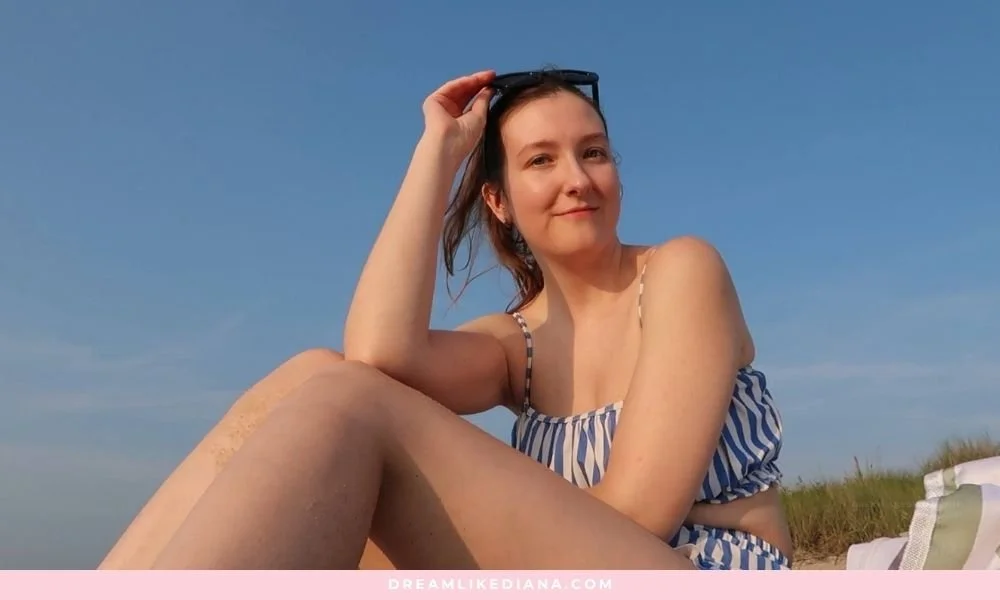
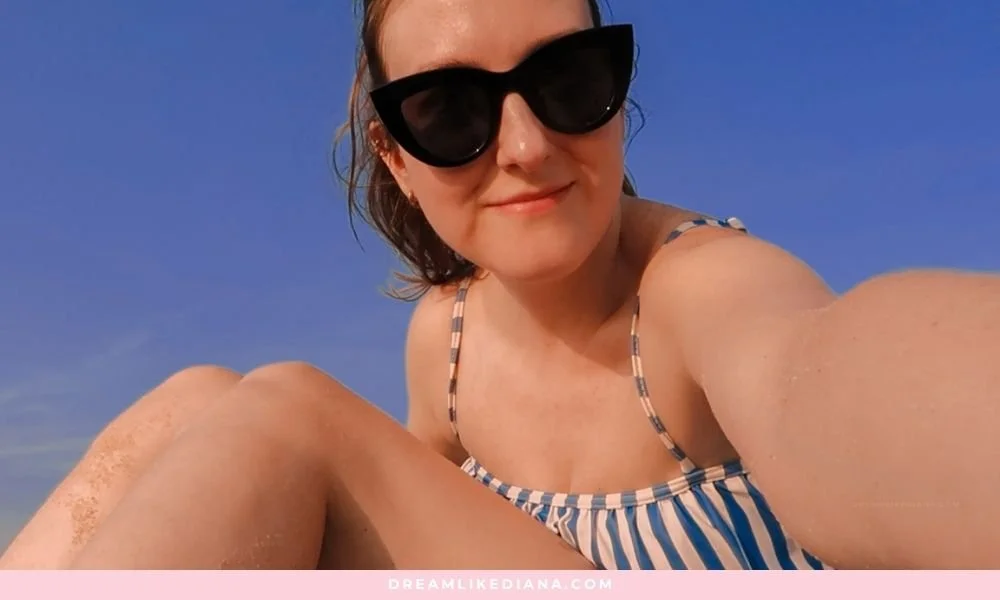
That’s what this video captured for me back in 2023: my first solo beach trip and the realization that going places alone wasn’t just about seeing new places. It was about discovering how capable I really am.
When I Stopped Waiting
For years, I did what most people do. I’d see something I wanted to experience—a new hiking trail, a local festival, a restaurant everyone was raving about—and I’d try to coordinate. Text the group chat. Check everyone’s schedules. Suggest dates. And then… nothing. People are busy.
At some point, I made a decision that changed everything: I stopped waiting.
I started going places alone not because I wanted to be alone, but because I wanted to actually live my life. I wanted to go to that beach, take that trip, try that thing—now, not someday when all the stars aligned and everyone’s calendars matched up.
What I didn’t realize then was that I was building something much bigger than a collection of solo adventures. I was building self-trust. Self-reliance. The ability to make decisions and follow through without needing external validation or company.
Sound familiar? Because those are also the exact skills you need to run a business.
The Beach Trip That Changed My Perspective
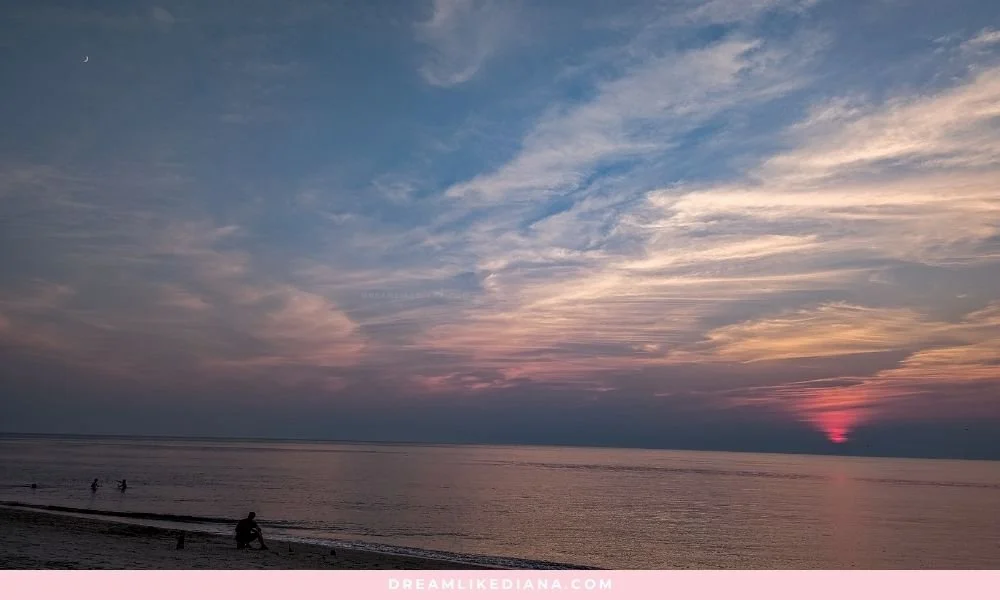
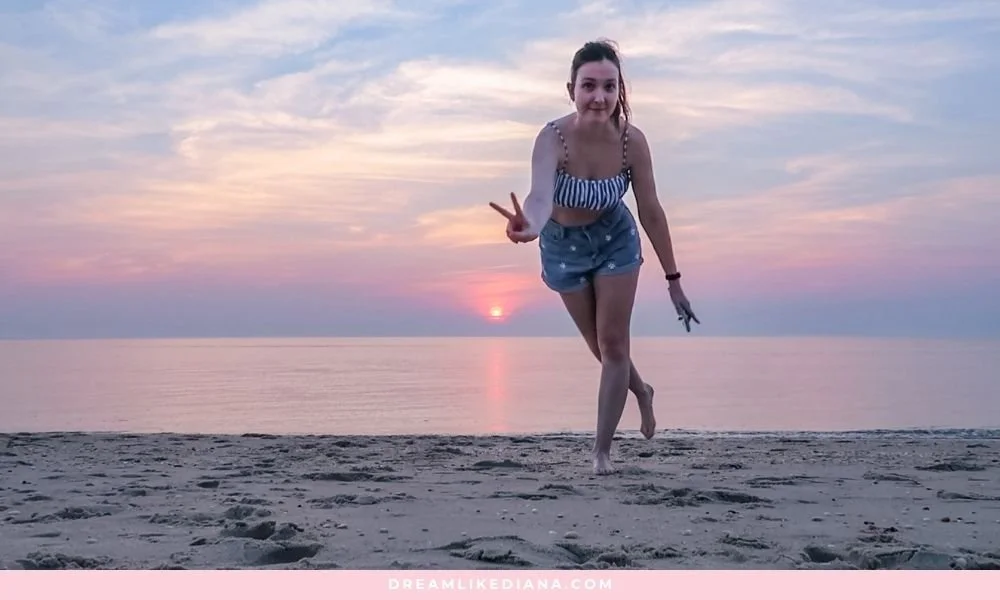
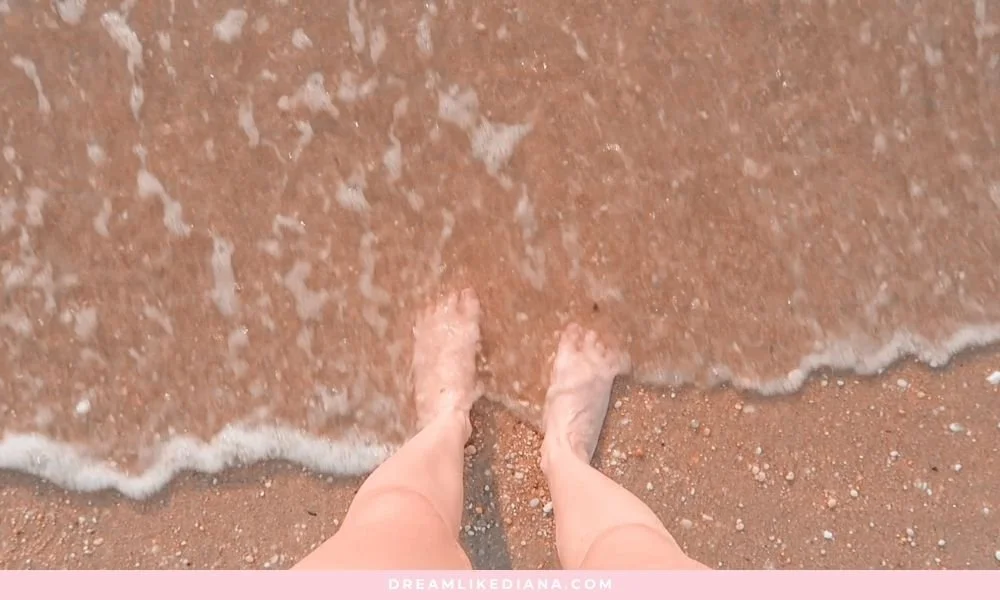
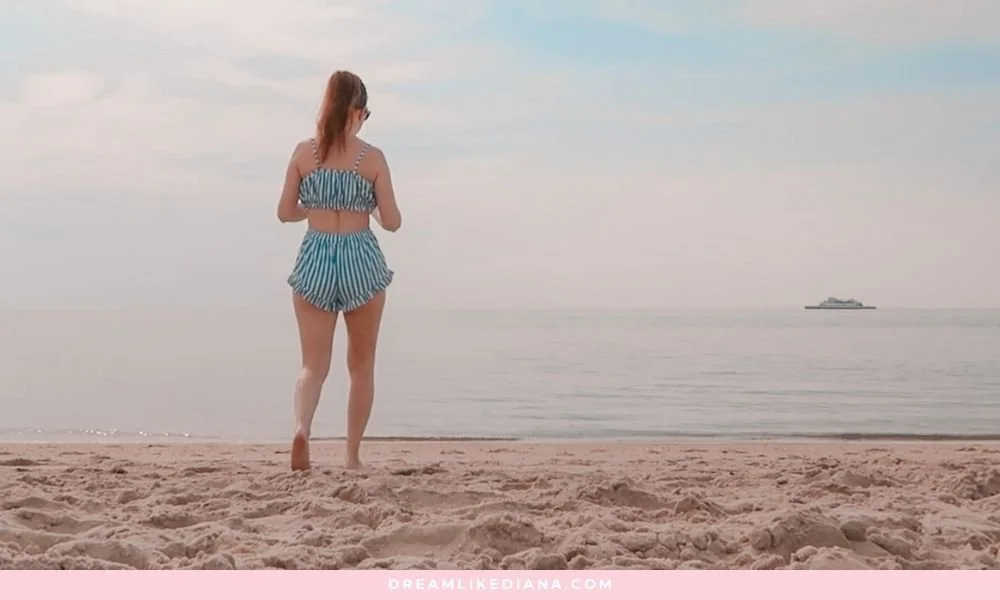
By the time I decided to go to the beach alone, I’d already been to countless places by myself. Coffee shops, restaurants, movie theaters, hiking trails, even a few solo trips out of the country. But the beach felt different. More vulnerable somehow.
There’s something about a beach that feels designed for groups. Families with coolers and umbrellas. Friend groups playing volleyball. Couples walking the shoreline. And then there’s you, alone with a towel and a book.
I chose a secluded beach specifically for safety reasons. Not because I was embarrassed or self-conscious, but because the logistics of a crowded beach alone felt overwhelming. Where do you leave your stuff when you want to swim? Who watches your things?
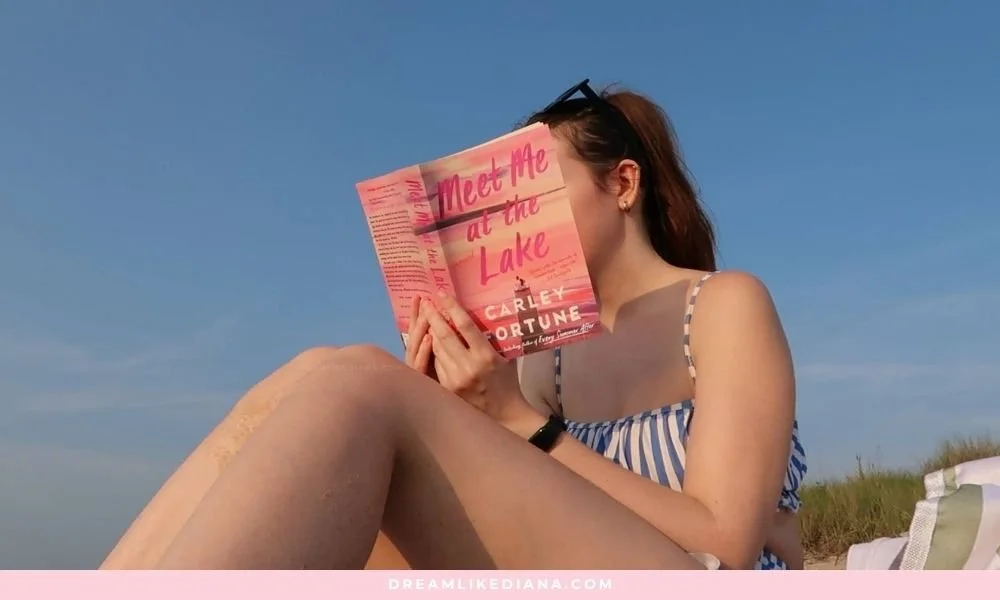
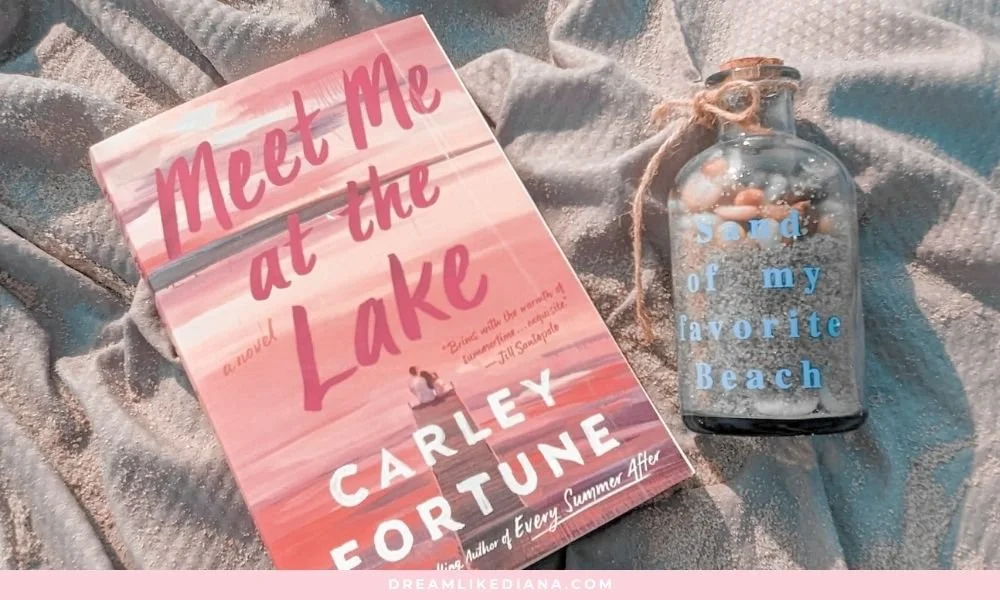
So I found the most beautiful, quiet beach I could—one without lifeguards, which meant I stayed close to shore even though I’m a strong swimmer. (Too many episodes of Bondi Rescue will do that to you.) I brought a book I’d just bought that day. I took photos. I let myself be present.
What Actually Happened
Here’s the truth: I spent most of that day just soaking it in. The sound of the waves, the warmth of the sun, the feeling of sand under my feet. I pretended to read, but mostly I was taking photos and videos, documenting everything because that’s what I do. Memory keeping is my love language.
And yes, I never finished that book. Sometimes the experience itself is more important than the activity you planned.
What struck me most was the gratitude. Not “this would be better if” gratitude, but genuine appreciation for what was happening right then. I wasn’t wishing someone was there with me. I wasn’t feeling sorry for myself. I was genuinely having the best time, completely alone, watching one of the most spectacular sunsets I’ve ever seen.
The two-hour drive home in pitch darkness wasn’t fun, I’ll admit. But it was worth it for that day. For that feeling. For that proof that I could do this—plan something, execute it, enjoy it—all on my own.
The Business Connection I Didn’t See Coming
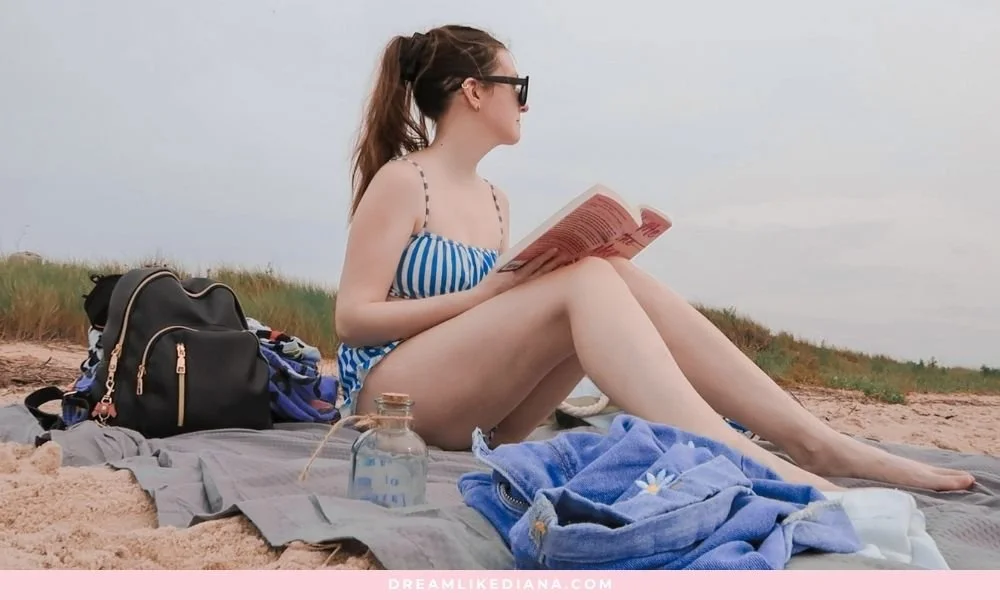
It wasn’t until months later, after I’d launched my business, that I connected the dots. All those years of going places alone? That wasn’t just personal growth or learning to be comfortable in my own company.
That was business training.
Think about it:
Running a business means making decisions without consensus.
It means moving forward when no one else understands your vision yet.
It means being comfortable doing things differently than everyone around you.
It means trusting yourself when there’s no external validation.
Every solo adventure was practice for entrepreneurship. I just didn’t know it at the time.
Five Lessons for New Business Owners
If you're just starting out or contemplating starting your own small business, here's what keeps coming up for me—not as abstract advice, but as tangible practices that have actually shaped how I run my business.
I originally planned to include all five of these lessons in the video itself, but I ran out of clips to work with. The video already had pacing issues as it was, so I cut it down to three. But these last two? They're just as valuable, so I'm sharing them here instead.
Lesson #1: Document Everything (Yes, Everything)
I'm not just talking about the highlight reel. Document the messy middle. The failed attempts. The breakthrough moments. The mundane Tuesday afternoons when you figured out a better workflow.
Take the photos. Shoot the videos. Screenshot the milestones—your first sale, your 10th sale, that encouraging DM from a customer. You'll want to look back and remember how far you've come, especially on the days when growth feels invisible.
But here's what most people miss: document your actual processes too. Write down every step for every task, even the ones that seem obvious now. Because one task can have 10 micro-steps that you do on autopilot when you're energized. On a low-energy day when you're running on fumes and brain fog? You'll be so grateful you don't have to rely on memory alone. Future exhausted you will thank present organized you.
Lesson #2: Build a Relationship with Yourself First
This sounds like self-help fluff until you're three months into your business and realize you're spending Friday nights alone learning about SEO while your friends are out at happy hour. Or you're fulfilling orders on Sunday morning while everyone else is brunching.
Your life is going to look different. Radically different. And you have to not just accept that—you have to actually be okay with it. You need to enjoy your own company enough that working alone doesn't feel like punishment.
This is where the shift from FOMO to JOMO matters. Fear of missing out versus joy of missing out. Or at minimum, understanding exactly what you're sacrificing and why it's worth it. Short-term sacrifice for the long-term goal. That's a mantra my boyfriend (yes, the one I met during one of my solo adventures and I say to each other constantly when we're choosing work over social events.
Dating yourself—literally taking yourself on adventures, learning to be your own best company—isn't just nice personal development. It's essential business training. Because entrepreneurship is inherently lonely sometimes, and if you can't handle being alone with yourself and your thoughts, the journey becomes exponentially harder.
Lesson #3: Every Single Thing Is a Building Block
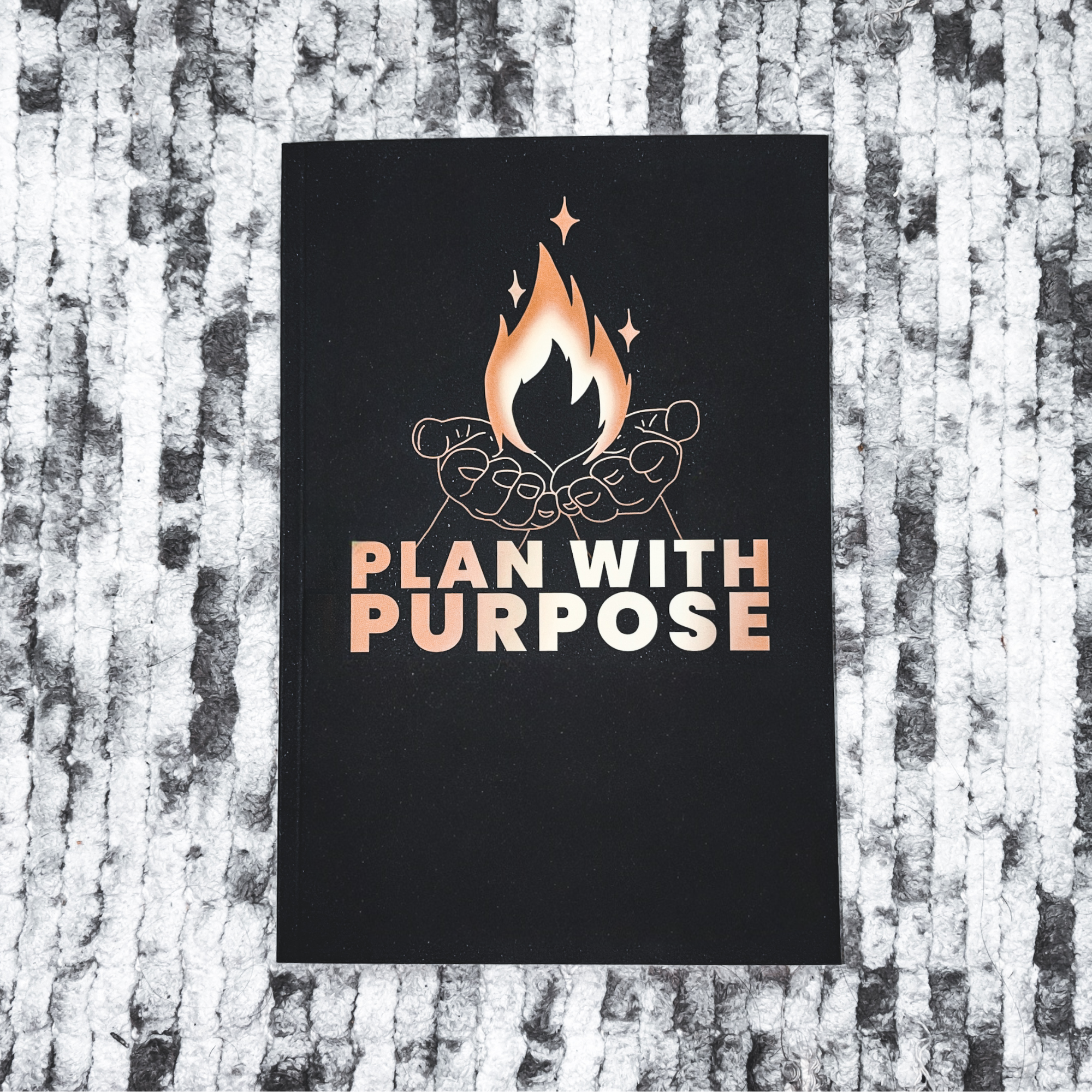
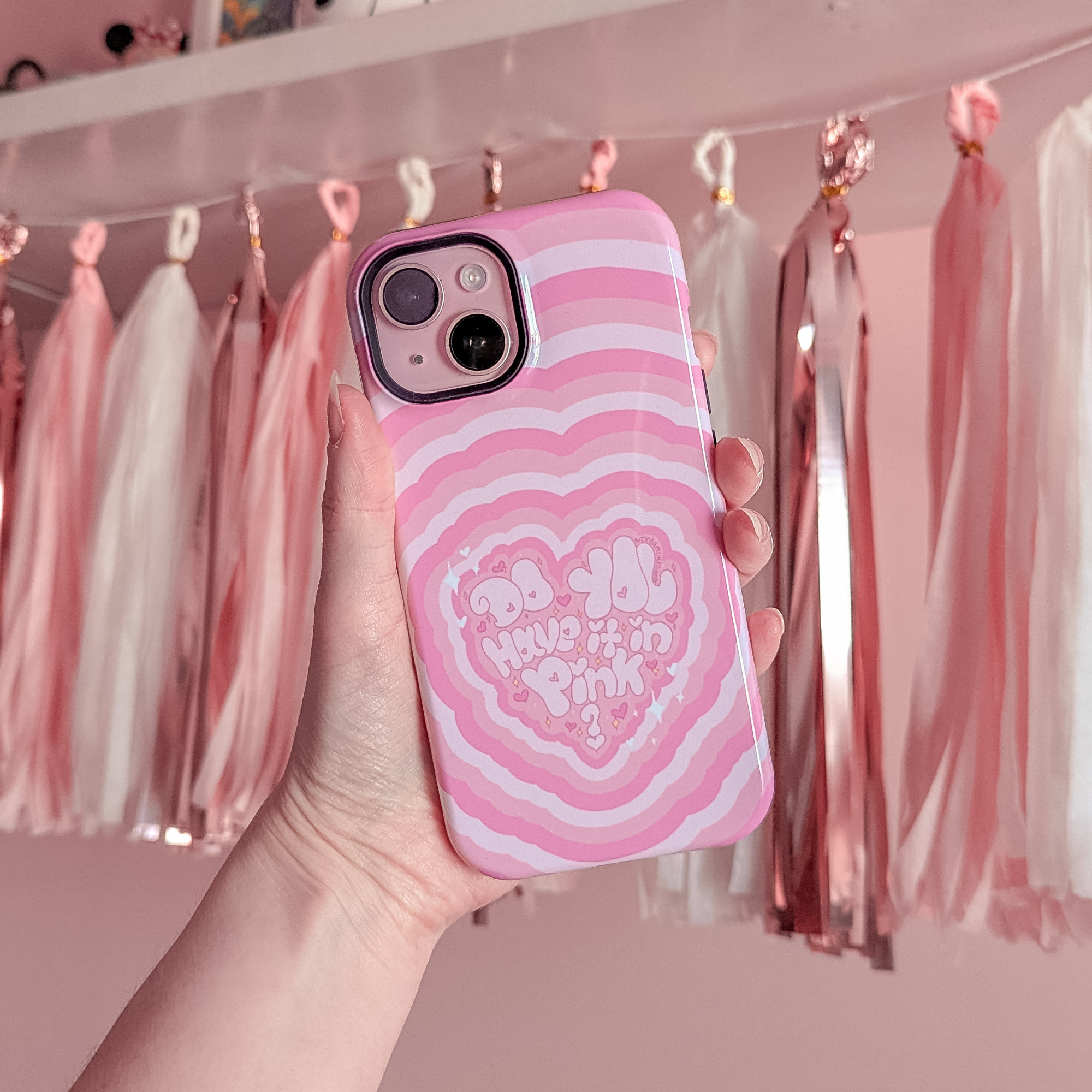
This is the one that took me years to see clearly. That solo beach trip? Building block. Learning to snowboard alone in my 30s? Building block. Walking into a winter sports shop and asking if they had anything in pink? Massive building block.
They didn't carry pink gear, by the way. But I met my boyfriend there, and through his support and belief in me, I got the final confidence boost I needed to actually put my art out into the world despite all my fears. That meet-cute? It inspired one of my most popular designs.

None of these moments seemed connected at the time.
I wasn't going to the beach thinking "this will help my future business."
I wasn't learning to snowboard thinking "this will teach me about being a beginner in entrepreneurship."
I wasn't shopping for gear thinking "this conversation will change my life."
But that's exactly how building blocks work. Each small decision, each brave moment, each time you trust your gut and do the thing anyway—they stack up in ways you can't predict. Suddenly you realize you have all these skills, all these experiences, all this proof that you're capable of hard things.
My business didn't emerge from nowhere. It came from thousands of tiny building blocks I'd been laying down for years without even realizing I was building something.
The solo adventures taught me self-reliance.
The documentation practice gave me content and processes.
The relationship with myself meant I could work independently without losing my mind.
So when something good happens in your business—a sale, a follower, a customer who lets you into their life through your work—treat it with gratitude. Not performative "blessed and grateful" gratitude, but genuine appreciation for the fact that this moment exists. Because you never know which moment is the building block that changes everything.
Life's too short to wait on others for what you want to do. Your dreams are too important to wait for permission. And honestly? Every day you wait is another day you could have been laying down building blocks.
Lesson #4: Make it Exist First. Make it Great Later.
I launched my shop with six designs. Not sixty. Not a hundred. Six.
And I've already made sales.
This is the lesson that separates people who build businesses from people who just talk about building businesses. You can spend months perfecting your first product, agonizing over every detail, convinced that it needs to be flawless before you launch. Or you can put something real into the world and improve it based on actual feedback.
80% percent done and uploaded is infinitely better than 100% percent perfect and delayed. Done is better than perfect. Always.
This applies to everything in business. That first product? Launch it. That awkward video? Post it. That imperfect website? Put it live. You can improve it later, but you can't improve what doesn't exist yet.
Perfection is a moving target that keeps you stuck forever. Excellence is something you build toward through iteration, through actually doing the thing and learning what works. Your first attempt won't be your best attempt—and that's exactly the point. It's supposed to be messy. It's supposed to be imperfect. That's how you learn.
Lesson #5: If You Feel It in Your Gut, That Feeling Was Planted in Your Heart for a Reason
Society spends a lot of time conditioning us to doubt ourselves. To wait for permission. To play it safe. To have all the answers before we take the first step.
But when I act from my "I know" state—when I trust my gut, my instincts, my ideas—I've been proven right over and over again. My business has just begun, and it's already working. Because I stopped waiting. I stopped doubting. I just went.
Those gut feelings are the ones that whisper things like "go to the beach alone" or "start the business now" or "post that video even though it's not perfect." They don't always make logical sense in the moment. They can't be explained in a pro/con list. They just feel right.
That feeling is your intuition—the part of you that knows things before your logical brain catches up. Trust it. Act on it. Stop waiting for external validation or perfect circumstances.
If it feels right in your gut, it probably is.
What I Wish I Did Differently
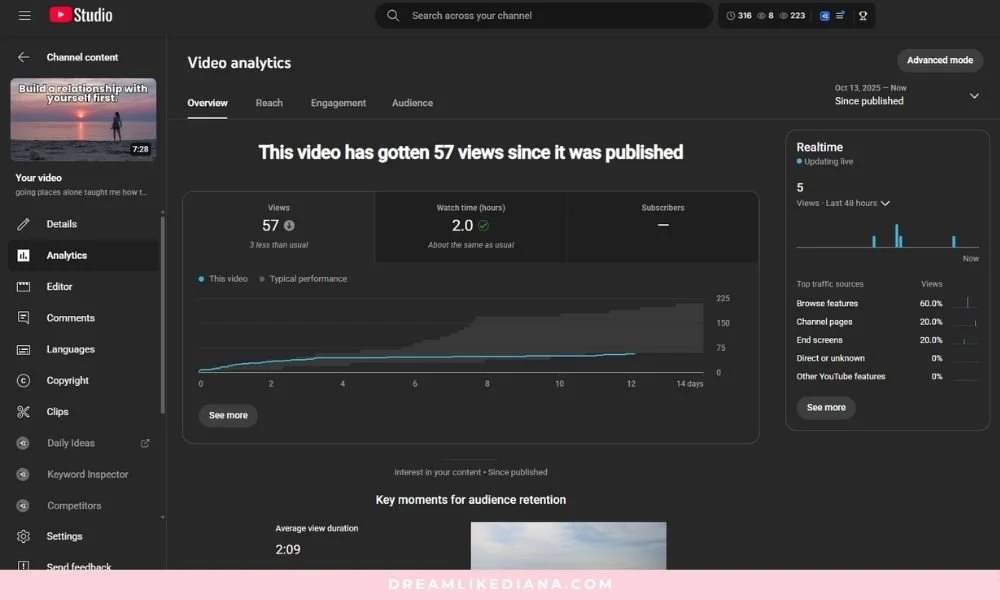
Looking back at this video with fresh eyes and real data, here's what I'd change if I could do it over. This is the heart of fieldwork: analyzing what actually happened (not what you hoped would happen), being honest about your mistakes, and using those lessons to do better next time. Every upload is a test. Every metric tells you something.
1. I Would Have Talked Directly to the Camera Instead of Using Voiceover
This video is super similar to how I did my Harry Potter vlog, and first-time vlogging was awkward. I filmed this in 2023, and I still wasn't in the practice of talking on camera like I am now.
Talking on camera like people are my friends is difficult, but I've been forcing myself to do it and it comes out great. But there's none of that in this video. Even though I posted this 11 days ago, I wish I had the mindset I have now: tighten up the vlog, don't force a voiceover, and then create a reflection in the second part of the video. Sit down with the camera.
It's true I can't go back and re-film anything, but I could have sat down at my desk and had a chat with the camera. Instead I put a voiceover on top, and I honestly wish I didn't. But at the same time, I'm not mad about it. It does talk about why I started going places alone, why I believe it's important to, what it taught me, and why I love summer. Which is hilarious considering I am a snowboard girly, through and through!
2. I Wouldn't Have Spent Hours Perfecting a Voiceover That Created Disconnect
I actually fell in love with recording voiceovers in this video, but I don't like the editing or forcing text on top. While I loved recording this voiceover script, I personally just don't like voiceovers for long-form content. It took me SO MANY TIMES to record the voiceover, and I still had to edit every single one to make sure it all sounded the same volume. It's a lot of work!
Voiceover vlogs work best on shorts, not long form. They're not as eye-catching or engaging on long form. I enjoy people talking to a camera more and being real with me. Even though I'm sharing things people can't see and sharing my thoughts and lessons, voiceover vlogs (long form) just don't perform that well and get boring fast, even with a voiceover. There's a disconnect. It feels forced.
If I did it short form, it would hit. It's engaging. But I don't want to do short form. Short form has no ROI. I need to figure out how to make long form work for me. I excel in short form—grew social media accounts with it when I put in my all—but I saw it had no ROI. Truly. Getting famous on Instagram or TikTok is like getting rich in Monopoly.
3. I Would Have Reverse Engineered the Format: Vlog First, Lessons Second
This video is actually the reason this entire Field Notes series exists on my blog. I realized that forcing a voiceover lesson on top of a vlog doesn't work—it feels cramped and inauthentic. So moving forward, I'm separating them: film the vlog as its own thing, THEN sit down and record the lesson takeaways separately.
But who knows? Maybe I'll discover something even better along the way. Maybe this method leads me to stumble into my own unique approach that I haven't even thought of yet. That's the beauty of treating every video as an experiment rather than a final product.
I don't think I'll ever create a video I consider "perfect," and honestly, that's a good thing. Perfection kills curiosity, and curiosity is where creativity actually lives. When you think you've arrived, you stop growing. You stop experimenting. You get arrogant.
I'd rather keep learning, evolving, and trying new things than ever feel like I've figured it all out. Every video is just a snapshot of where I am in that moment—not a polished end result, but a reflection of my progress.
Here's What I Would Do If I Could Redo This Video:
Start with the same hook—that voiceover line: "Someone once asked me why I go places alone..." Music plays. Let the vlog footage breathe. Cut anything unneeded and keep it tight.
Then at the end, where the sunset plays, I could start the voice over up again. While transitioning to me sitting at my desk, talking directly to camera, unpacking the lesson takeaways:
Why did I do this vlog?
How does it fit with the topic of the video?
What story am I trying to tell?
What was running through my head when I filmed this?
What do I want viewers to take away?
How does this tie back to my channel and my business?
What did I actually learn from this experience?
Which of course I would talk about building blocks, trusting your gut, building a relationship with yourself—those "I know" feelings that don't always make logical sense but are always right.
I also wish I'd been able to talk to the camera during the actual beach day—to capture my thoughts in real time, to speak directly to the audience while I was there. But I was still camera shy months after starting to vlog. Talking on camera is a practice. You have to force yourself to do it. Not just film pretty B-roll, but actually speak. Find the balance between talking too much and not enough. Use B-roll intentionally, not excessively. Master proper pacing.
That skill only comes from doing it over and over again, even when it feels awkward.
4. I Would Have Told the Story Differently (And Why That Matters More Than Anything Else)
Another angle I could’ve taken with this video is giving away the value first and then telling the story. Why am I thinking about this now? Because I can already hear someone in the comments saying, “video starts at …” — probably halfway through. I did add timestamps, but the truth is, the value isn’t just in the lessons themselves. It’s also in the story that leads to those lessons.
If I were to redo it, I would:
Start with a quick, plain, and focused story of why I began going places alone. Keep it tight, clear, and emotionally grounded.
Follow that with the business lessons in disguise — the parallels between solitude, growth, and entrepreneurship.
Weave each story into the lesson instead of stacking them separately. I actually did this to an extent, but the first story got a little muddled. I went from talking about why I started going places alone to why I love the summer, the beach, and the vlog itself.
The latter — the “summer beach vlog” part — if I were doing it now, I would save that for the end. Maybe as a reflective sit-down moment, or as a voiceover layered on top of the visuals. It really depends.
Because here’s the thing: hearing a story can often teach the lesson better than a list ever could. If I just gave it away as “lesson 1, lesson 2, lesson 3,” it might sound efficient, but you probably wouldn’t remember any of it. When you understand the why behind each moment, though, it sticks. That’s not just creative talk — it’s proven. Even Harvard Business Review backs it up: good storytelling helps people absorb complex ideas in tangible ways.
Source: Harvard Business — What Makes Storytelling So Effective for Learning
Personally, I know exactly what I’m trying to do — I’m trying to merge storytelling and structure in a way that feels natural, educational, and emotionally engaging. But I’m still learning how to make that happen in video form. I don’t yet have all the editing skills or visual storytelling techniques to translate what’s in my head into what’s on screen. I’m a strong storyteller in person and through writing — that’s easy for me. But long-form video is a different skill set entirely. That’s why a lot of creators quit. Short-form is faster, simpler, and instantly rewarding. Long-form requires patience, practice, and the ability to build a story frame by frame.
And that’s exactly where I am — learning to bridge that gap between the story I can tell, and the one I can show.
5. I Would Have Stopped Watching "How To" Videos and Just Done It My Way
At the same time, I also think watching too many "how to" videos is detrimental. Stop doing what other people say to do. Do what you think is best and learn along the way.
Everything I've ever learned about video editing, uploading, my business, and whatever else out there is by doing it. Doing the thing. As cringy as it is. You can't be the best if you don't start. You can't reach your 100th if you don't start your first.
Snowboarding taught me to allow myself to be a beginner again in my 30s, and it's NOT PRETTY. It's ugly, it's messy. You'll get one step forward one day and then move two steps back the next. Shit happens.
6. I Would Have Accepted That 80% Done and Uploaded Beats 100% Perfect and Delayed
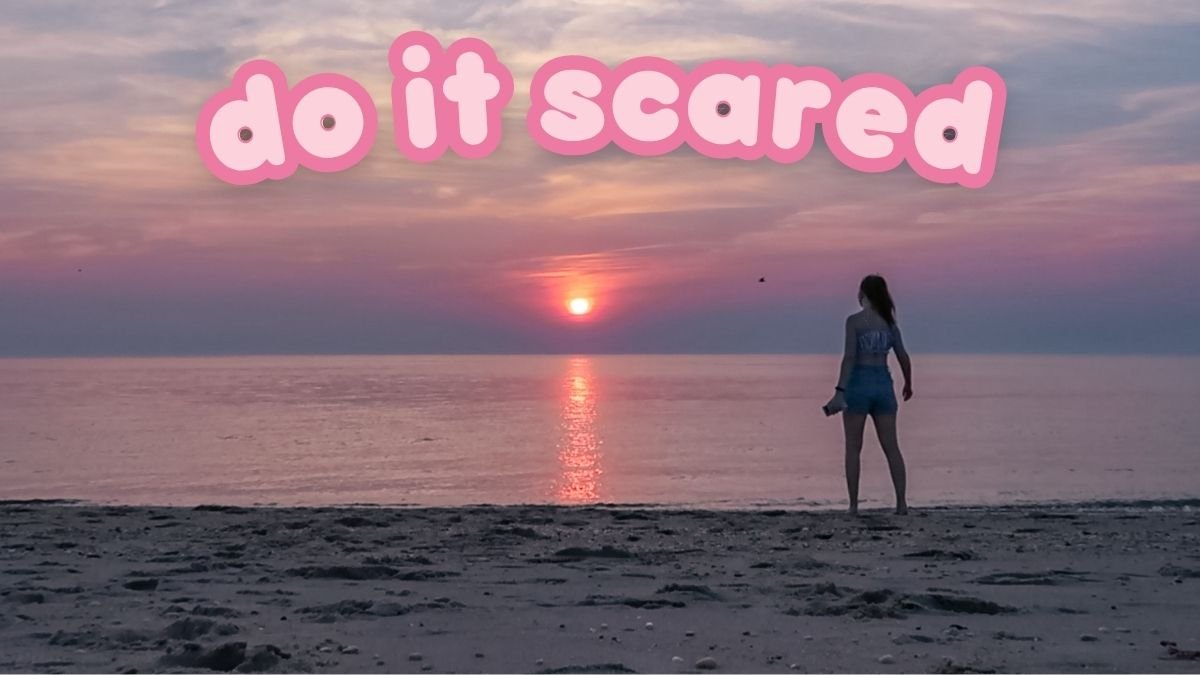
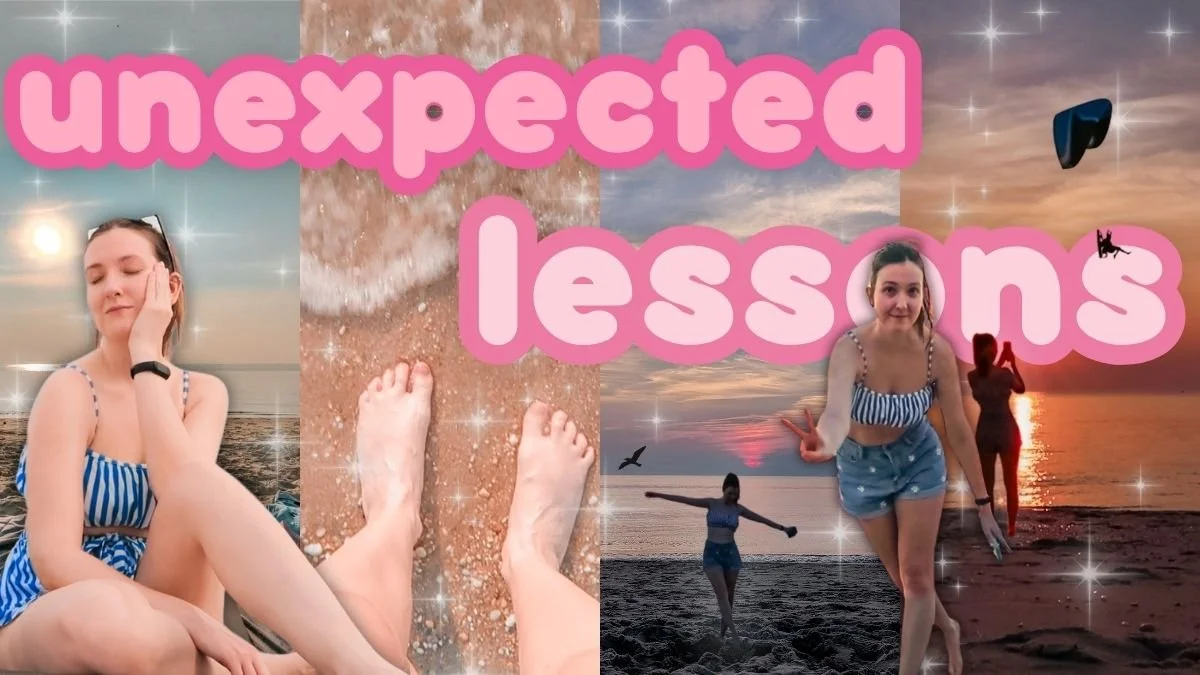
This is a lesson I’m trying to learn over and over again! It’s been my mantra this past year.
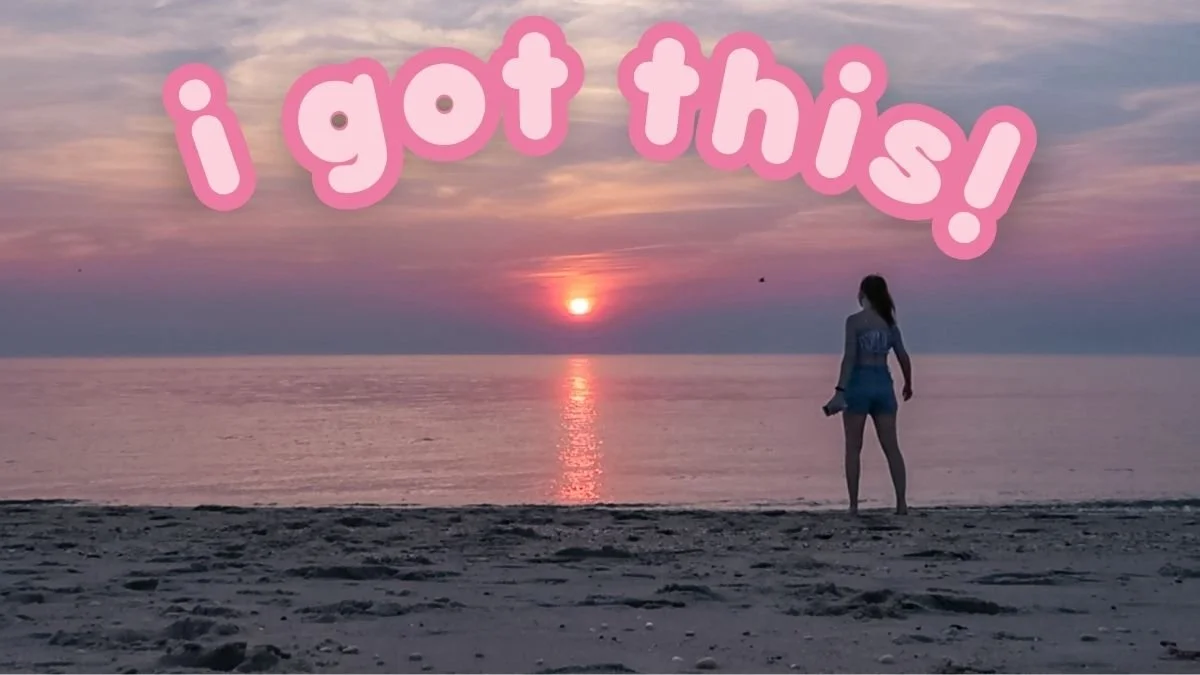
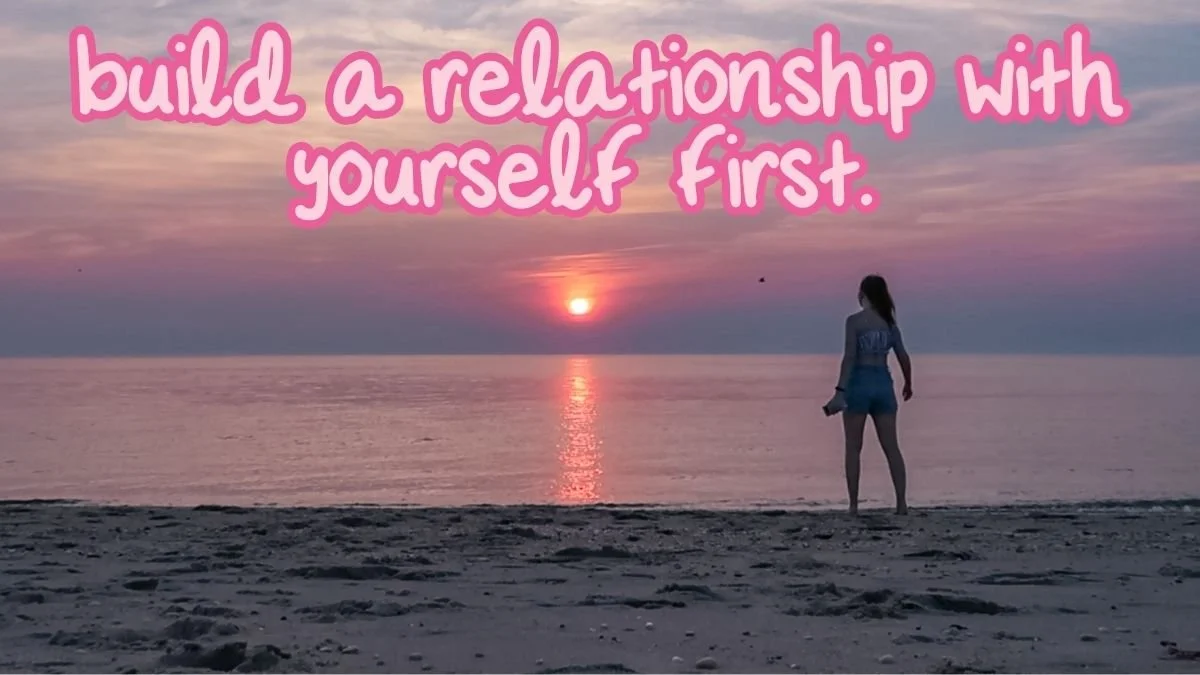
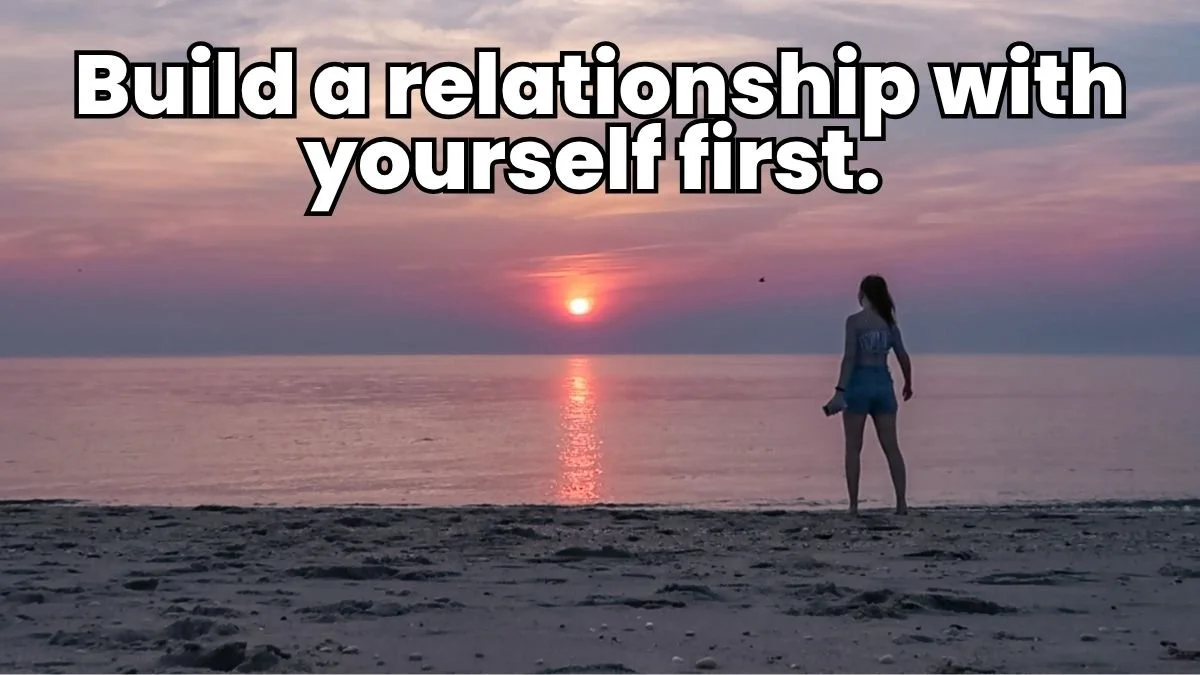
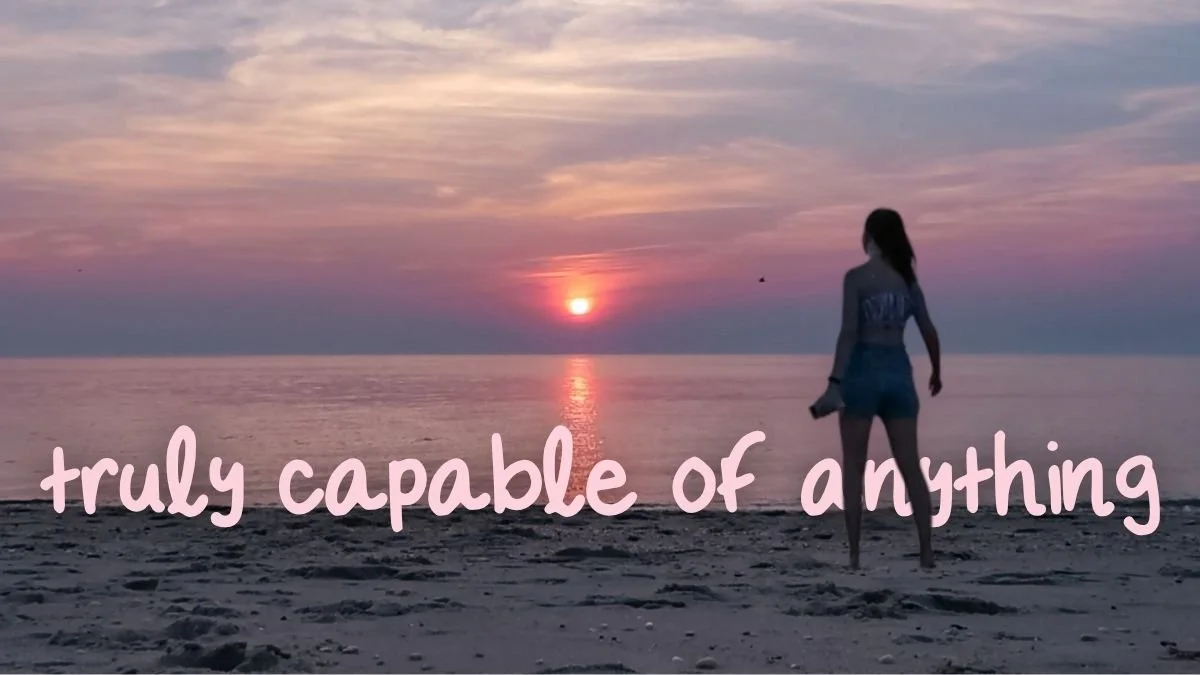
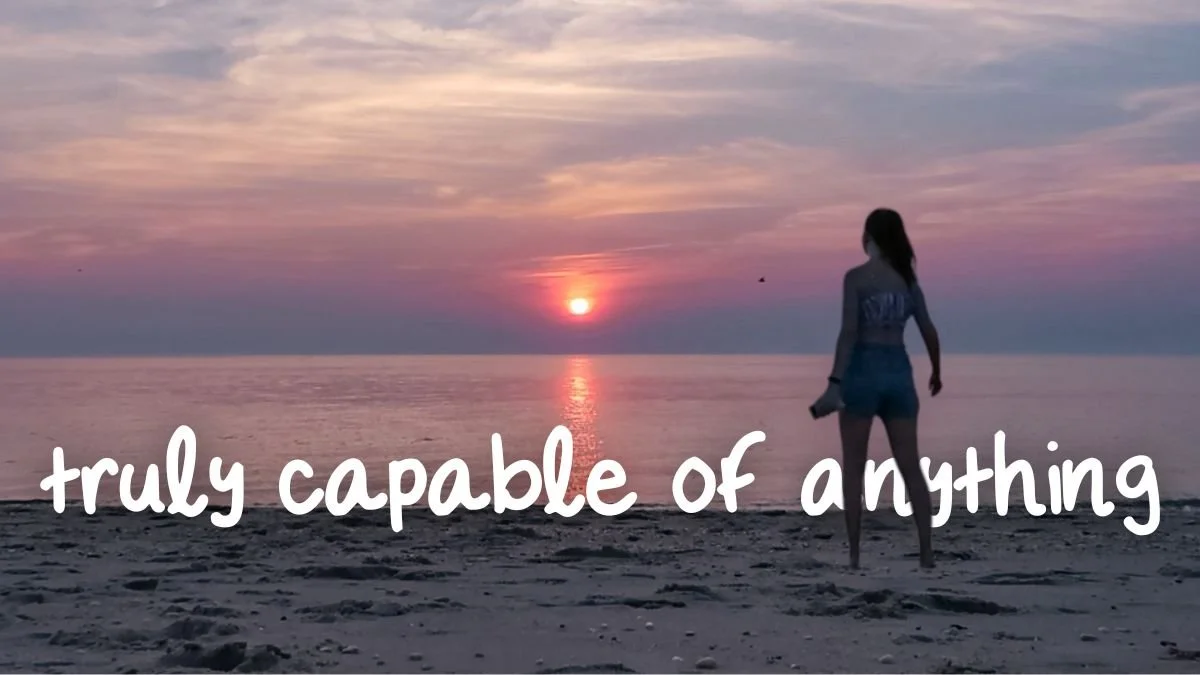
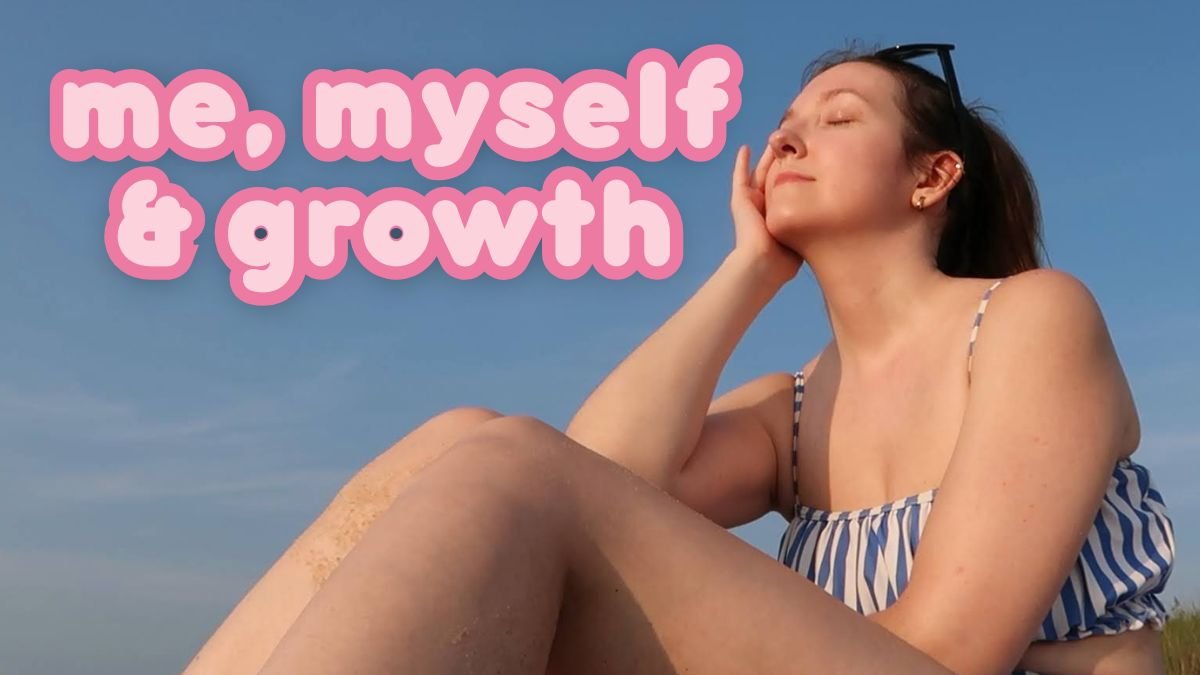
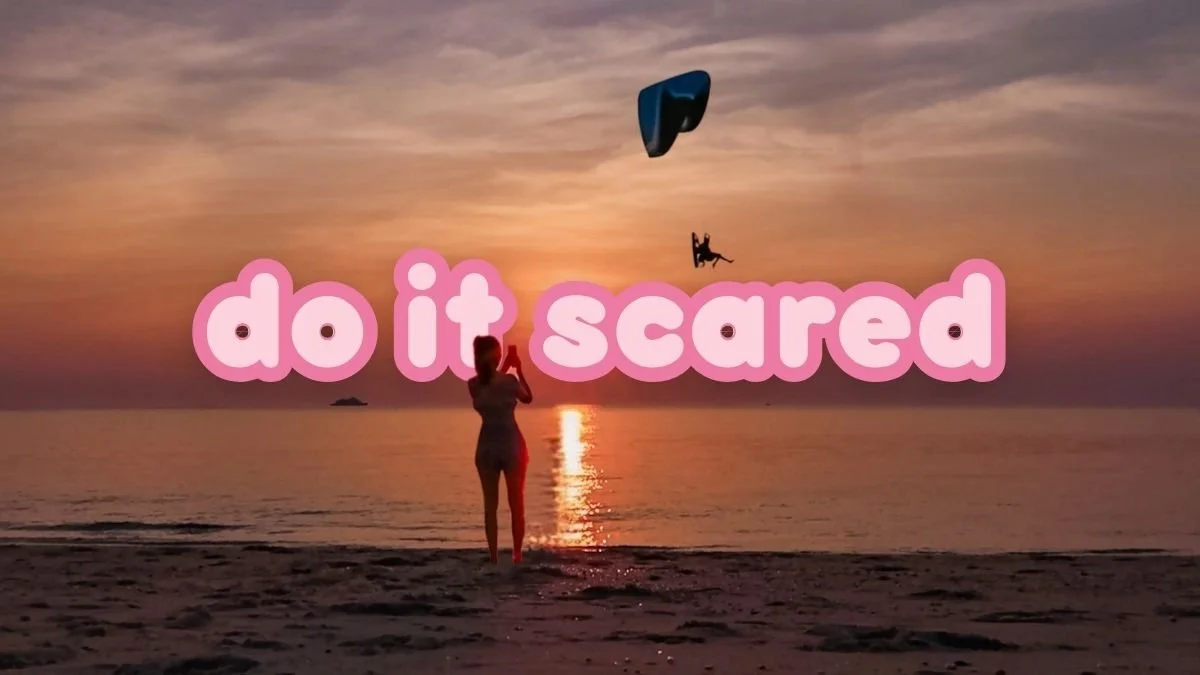
I'm not going to lie, I obsessed over this thumbnail. Changed it so many times I lost count. I like the image I chose (it looks like I'm an anime character ready to take on the world with the sunset and sea in front of me), but the font? The color of the font? The exact wording? I've changed them a million times. And I probably will continue to work at it until it feels right. What would feel right? People want the thumbnail, the title, and the topic of the video to match. I’m at the beach, these are the things I learned by going places alone. They taught me about running a business. But the audience also likes thumbnails and titles that are from a place of lack. People live for drama and tea. Even if they don’t want to admit to it, our brains are wired for the ooos and ahhhs.
Don’t always give away the end result in the thumbnail because the audience, has no reason to watch it then. For example, in my Harry Potter Vlog for a long time my thumbnail was me having the greatest looking photos ever and yet the title is “first time vlogging in public awkward asf but I did it ♡ harry potter exhibit, solo date vlog.” You see what I mean? If I saw something like that, I’d be like, “Awh that’s cute she had a happy ending,” but I wouldn’t watch it. Because I already know what’s going to happen. I’m trying to think with the same lens for this video. And yet I’m struggling, but I know one day I’ll finally nail it. It just takes time.
And I may just realize that it may never feel “this is it” with it or "it’s just right."
Here's what I've learned: some ideas come with time and experience. Sometimes you have to settle for your 2nd best option, or 3rd, or 4th, even when none of them feel perfect. And that has to be okay.
I also kept thinking this type of video is ahead of its time. Most business creators film from home—sitting at their desks, talking about strategies and systems. But I'm not a homebody. My relationship is long-distance. I'm a snowboarder. I love to travel and adventure. My life doesn't fit the "traditional business content creator" mold. My machines keep me grounded, but I’ve learned more about business outside of 4 walls than inside them. I’ve also met people through natural means that have helped me with previous employments, my business, and more. And I call that “networking” more than what people assume what networking really is in this day and age.
But because it's different, I keep second-guessing it. Is this too niche? Will people understand? Should I just do what everyone else is doing?
The real lesson here is about timing and execution. Make it exist first. Make it great later. I launched my shop with 6 designs. SIX. Not sixty, not a hundred. Six. And you know what? I've already made sales. Because 80% done and uploaded is infinitely better than 100% perfect and delayed. Done is better than perfect. Always.
A "good enough" thumbnail that gets the video out into the world beats a perfect thumbnail that keeps you stuck in Canva for another week. Published is better than polished. And sometimes your 4th best option—the one that's not quite right but gets the job done—is exactly what you need to move forward and learn what actually works. And accept that maybe it’ll just take 9 months or so to really come up with a good thumbnail to let it shine.
The Real Lesson: Being a Business Owner Is a Daily Choice
I know exactly why this video didn't perform well. It's a voiceover vlog in long form, I was still figuring out my on-camera presence, and the format didn't quite land. And honestly? That's okay. I learned from it.
I'm still going to keep making vlogs and videos like this because being a business owner isn't a one-time decision you make and then coast on. It's a choice you make over and over again. Every single day.
It's choosing to show up even when the metrics are discouraging. It's choosing to analyze what went wrong instead of pretending it didn't happen. It's choosing to try again with a different approach instead of giving up entirely.
Being a business owner is a lifestyle. It's a mindset. It's how you show up for yourself when no one's watching. How you speak to yourself on hard days. How you treat others. How you present yourself to the world.
I don't want to be a "small business owner" forever. That's cozy, but I dream bigger than cozy. I'm not a t-shirt and jeans business—and while that's how I portray myself now, it won't always be. I will glow up, level up, and evolve over and over again. Because that's what growth looks like.
Here's something I believe deeply: relationships—with yourself, with others, with your business—should be treated with the same intentionality as a business transaction. You show up. You deliver value. You maintain the relationship. You invest in it. You're honest about what's working and what's not.
But hey, that's probably my Capricorn stellium talking.
Overall Lessons: What This Journey Really Taught Me
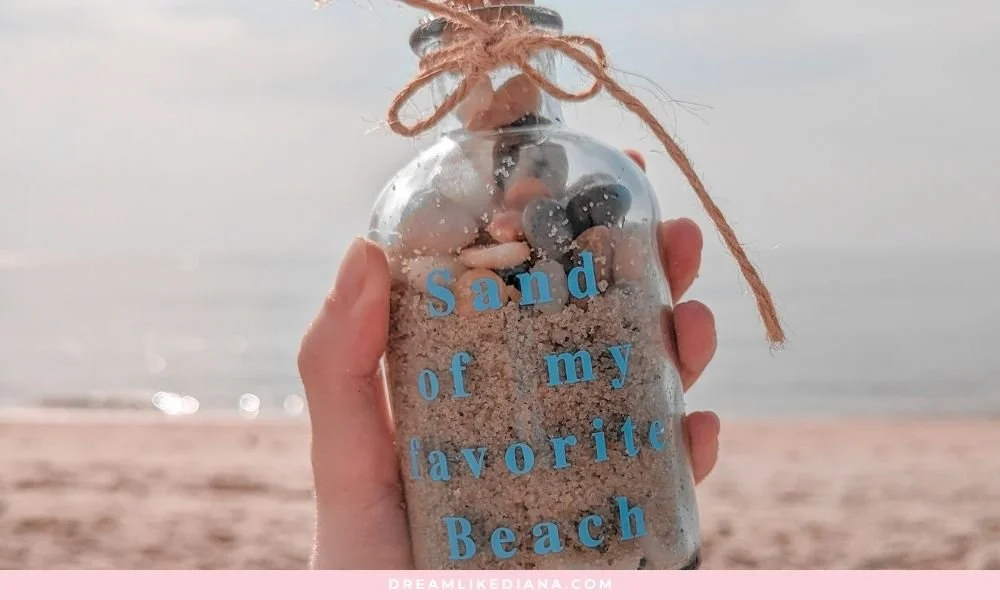
1. You Can't Grow If You Don't Start—Even When It's Messy
The biggest lesson from this entire experience is that perfection is the enemy of progress. I filmed this in 2023, struggled with the voiceover, changed the thumbnail countless times, and posted it anyway. It got 53 views. And that's okay.
You can't reach your 100th video if you don't post your first. You can't become confident on camera if you don't practice being awkward on camera first. Snowboarding taught me to be a beginner in my 30s—ugly, messy, falling down constantly—and business is the same way.
2. Solo Adventures Build Self-Trust, Which Is Your Business Foundation
Every time I went somewhere alone, I was building my capacity to trust myself. To make decisions without external validation. To be comfortable in my own company. To know that I could figure things out.
These aren't just nice personal development skills—they're essential business skills. As an entrepreneur, you'll make a thousand decisions alone. You'll work when everyone else is out. You'll pursue a vision others don't understand yet. That relationship with yourself? That's your foundation.
3. Document Everything Because You Can't See the Building Blocks in Real Time
When I went to that beach in 2023, I didn't know it would inspire business lessons. When I met my boyfriend while asking about pink snowboard gear, I didn't know it would lead to one of my most popular designs. When I started going places alone years ago, I didn't know I was training to run a business.
But because I documented it—took the photos, shot the videos, wrote down the experiences—I can now see the pattern. Every moment was a building block. You never know which experience will become important later, so capture it all.
4. Learning Happens by Doing, Not by Following Everyone Else's Rules
I watched too many "how to vlog" videos and it actually hurt my creative process. The best lessons came from just doing it, making mistakes, analyzing what worked and what didn't, and trying again.
This video taught me that voiceover vlogs don't work for me in long form. That I need to talk to the camera. That I need to separate the vlog from the lesson. None of that came from a tutorial—it came from doing it wrong and learning from it.
5. Short-Term Sacrifice for Long-Term Goals Requires Shifting from FOMO to JOMO
You can't build something meaningful while trying to live everyone else's timeline. Your friends will be out on Friday nights. Your family might not understand why you're working on weekends. You'll miss events because you're fulfilling orders or learning new skills.
The key is reframing this. It's not missing out—it's investing in your future. It's choosing what matters most to you. It's understanding that being on a different path doesn't mean being on the wrong path.
6. Everything—And I Mean Everything—Is Connected
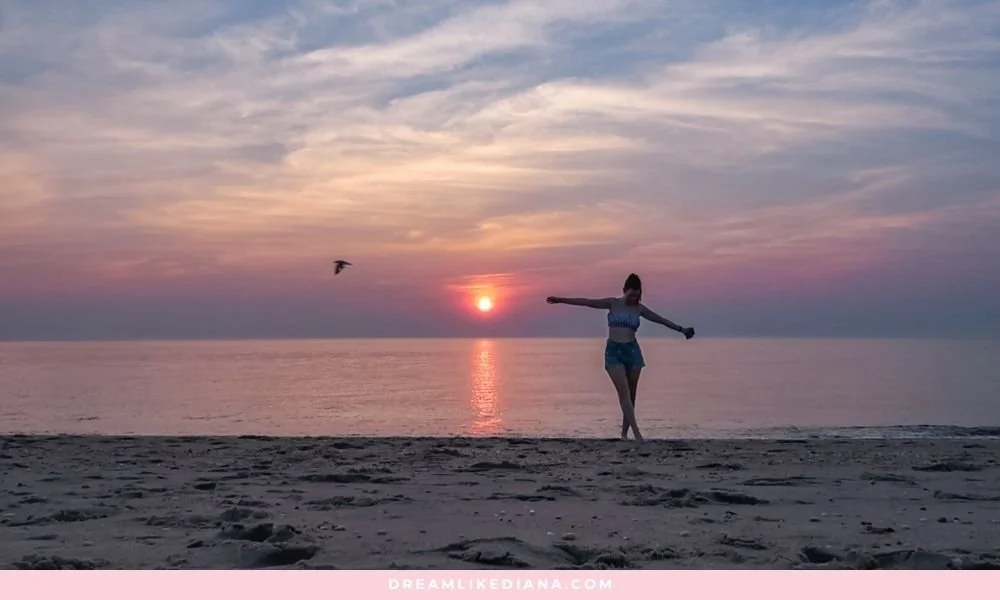
The solo beach trip connects to building self-reliance. Self-reliance connects to trusting your business decisions. Meeting my boyfriend while shopping for snowboard gear connects to my most popular design. Learning to snowboard connects to being okay with being a beginner in business.
None of these things existed in isolation. Your life experiences, your relationships, your hobbies, your struggles—they all feed your business in ways you won't see until later. This is why you don't wait for permission or perfect conditions. You go. You do. You trust that it's all building toward something.
7. Gratitude for What Is, Not What Could Have Been
This video could have been better. The beach day could have been shared. My business could have more sales. But focusing on "could have been" steals joy from "what is."
I had an incredible day at the beach alone. I created a video that taught me valuable lessons. I'm building a business that's uniquely mine. Gratitude for the present reality—not the imagined alternative—is what keeps you moving forward without resentment.
8. Being a Business Owner Is a Daily Choice, Not a One-Time Decision
The work doesn't end. The learning doesn't stop. The showing up happens over and over again, even when videos don't perform well, even when you're tired, even when you question yourself.
It's a lifestyle. It's how you talk to yourself on hard days. It's choosing to post the imperfect video anyway. It's going places alone when everyone else is busy. It's trusting yourself to figure it out as you go.
9. Your Content Strategy Should Match Your Life, Not Someone Else's
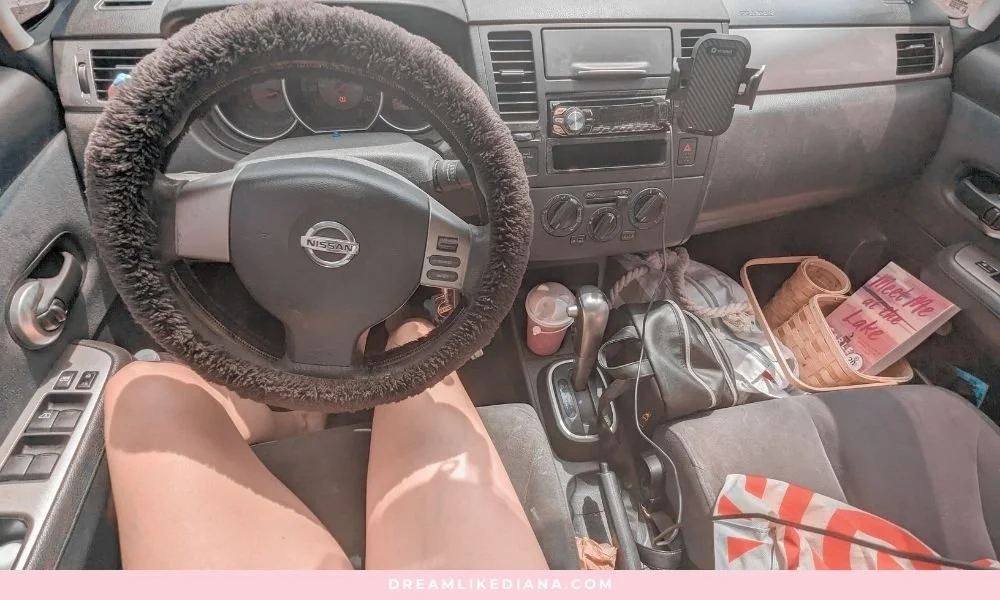
Most business content creators film from home. But I'm not a homebody. I snowboard, I travel, I'm in a long-distance relationship. I could try to force myself into the "talk at your desk about business" model, or I could create something new: on-the-go business lessons from real adventures.
This Field Notes series exists because I honored what works for me instead of copying what works for others. Your business—and your content—should be an extension of who you actually are.
10. The ROI of Relationships (With Yourself and Others) Compounds Over Time
Building a relationship with myself through solo adventures didn't just make me a more confident person—it made me a capable business owner. Meeting my boyfriend didn't just give me a partner—it gave me the final confidence boost to put my art out there, which led to sales.
Every relationship you build—especially with yourself—compounds. The time you invest in self-trust, the moments you show up for yourself, the people you connect with authentically—these aren't separate from your business. They ARE your business, in the deepest sense.
Join Me on This Journey
I don't post on social media anymore, and I don't use my newsletter for blog updates. So if you want to follow along with this journey, subscribe to my YouTube channel. Every new video means a new blog post in this series.
Let's build something real together—one adventure, one lesson, one building block at a time.
If you made it this far, I highly appreciate it. See you in the next one.
Toodaloo for now. ♡