The Pretty Planner Trap: Why Your Planning Tools Matter More Than You Think

All photographs are original works taken and created by dreamlikediana. All artwork and content are protected by copyright law. Reproduction or distribution without express written permission is strictly prohibited. ©DREAMLIKEDIANA - All Rights Reserved
Picture this: You're walking through Target, minding your own business, when suddenly you spot it in the dollar section or stationery aisle. A planner so aesthetically pleasing, so perfectly curated with adorable stickers and pastel colors, that you can practically see yourself becoming the organized person of your dreams. You imagine yourself filling out those cute little sections, tracking your mood with those tiny emoji faces, and finally, finally getting your life together. Sound familiar?
I've been there too, and that's exactly what happened when I discovered this "Let the Adulting Begin" planner at Target. At first glance, it seemed like the perfect companion to get my shit together (excuse my language). The cover promised a "guided journal on how to be a grown-up," complete with motivational stickers and an Instagram-worthy design that screamed, "I have my life together." But here's the thing about pretty planners that no one talks about: looks can be deceiving, and sometimes the most gorgeous planners are the ones that will sabotage your planning journey before you even begin.
This isn't just about one planner from Target, it's about a much bigger issue that affects millions of people trying to build sustainable planning and journaling habits. When we prioritize aesthetics over functionality, when we choose cute over quality, we're unknowingly setting ourselves up for failure. And as someone who's tried more planners than I care to admit, I want to share why your planning tools matter more than you think, and how to avoid the pretty planner trap that keeps so many of us stuck in cycles of starting and stopping.
Just a heads-up: None of my blog posts are sponsored! Every post is honest and straight from the heart, sharing information and value that I believe could genuinely benefit you. This post includes links to my own shop, products, and blog posts, plus a few affiliate links, which means I might earn a small commission if you make a purchase through those affiliate links (at no extra cost to you!). Want to know more about the brands I'm affiliated with? Click here to learn more! 😊When Retail Giants Miss the Mark
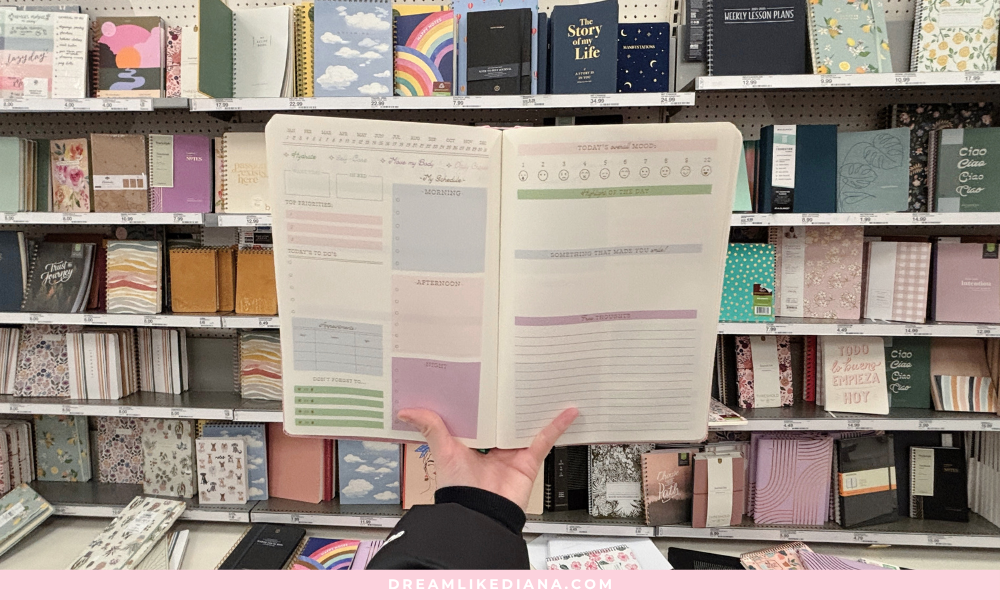
Let's talk about what's really happening in the planner aisle at Target, Walmart, and other big box stores. Walk down any stationery section, and you'll be overwhelmed by the sheer volume of planners, journals, and organizational tools. They're colorful, they're cheap, and they're designed to catch your eye and make you feel like this time will be different.
But here's what these retailers understand that we often don't: they're not selling you a planning system, they're selling you hope. Hope that this affordable $12.99 planner will magically transform you into someone who meal preps on Sundays, never forgets an appointment, and has color-coded systems for everything, has time for every aspect of her life. I’m talking:
Friends
Kids (if you have that)
Your partner
Self-care
Skincare
Hair care
Fitness
Stretching
Work
Hobbies
Downtime
and so much more
The "Let the Adulting Begin" planner is a perfect example of this phenomenon. Looking at the cover, it hits every marketing button designed to appeal to millennials and Gen Z. The playful font, the promise of guidance, the cute stickers that make you feel like you're getting bonus value – it's all carefully crafted to make you want to buy it immediately.
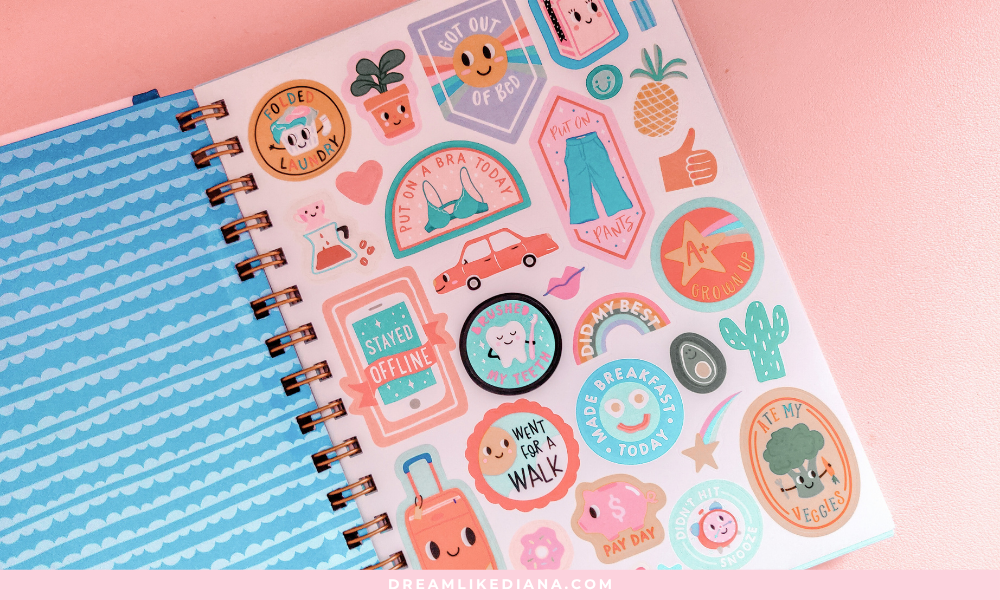
But when you actually open it up and start using it, the cracks begin to show. The paper quality is what I can only describe as "disappointing" – thin enough that ink bleeds through, making it difficult to write on both sides of a page. The layout, while pretty, doesn't actually support the kind of detailed planning that most adults need. And perhaps most frustratingly, this planner that promises to guide you through adulting contains less than two months of actual planning pages.
This is the Target planner phenomenon in action: products designed to look good on the shelf and feel good in your cart, but that don't actually deliver on their promises when you try to use them in real life.
Why Most People Fail at Planning (Hint: It's Not What You Think)
Before we dive deeper into what makes a planner actually work, let's address the elephant in the room:
Why do so many people struggle with planning and journaling?
The common assumption is that it's about motivation, discipline, or finding the "right" system. But after years of helping those around me develop sustainable planning habits and systems, I've noticed something different.
Most planning failures aren't about the person – they're about the tools.
When someone tries to start a planning habit with a low-quality planner like this Target find, they're fighting an uphill battle from day one. The thin paper that bleeds through makes writing unpleasant. The limited number of pages means you'll need to find a replacement system before you've even had time to develop a habit. The cute but impractical layouts don't actually support the kind of detailed planning that builds momentum.
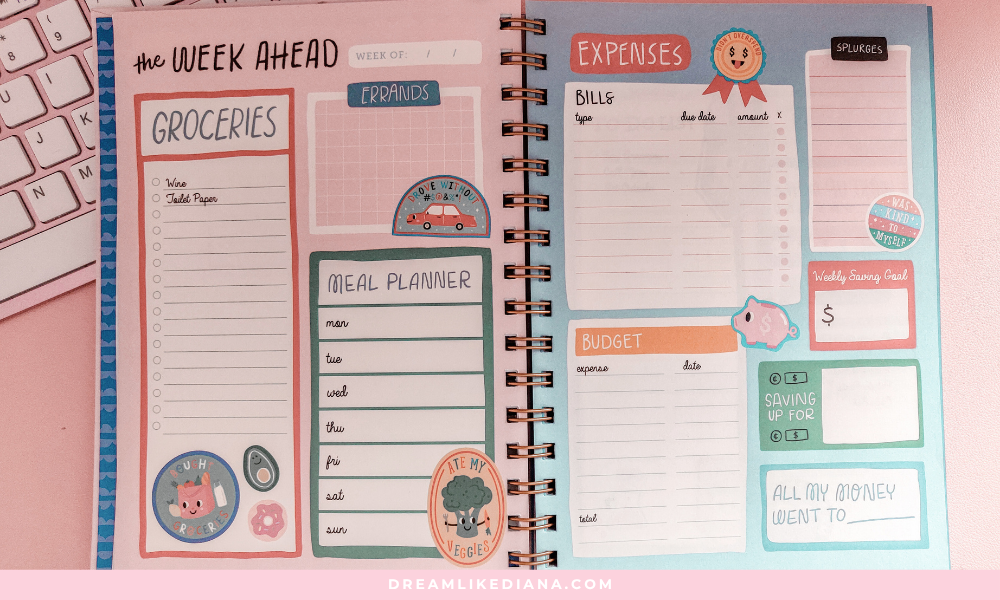
Looking at the interior pages of this planner, you can see how the design prioritizes aesthetics over functionality. The "Week Ahead" spread includes sections for groceries, errands, and meal planning – all great ideas in theory. But the spaces provided are tiny, the layout is cramped, and there's no room for the kind of detailed planning that actually helps you follow through.
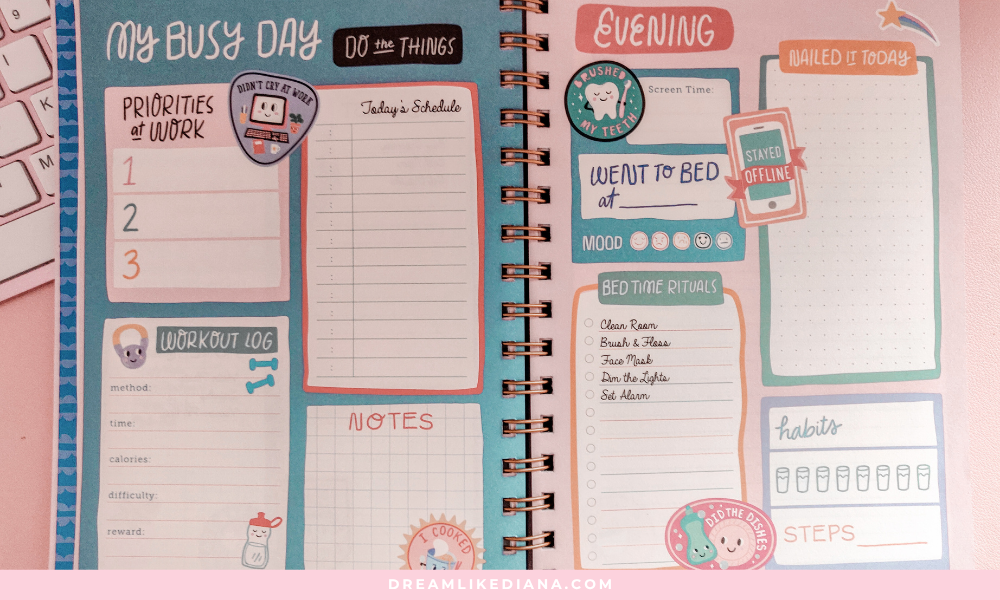
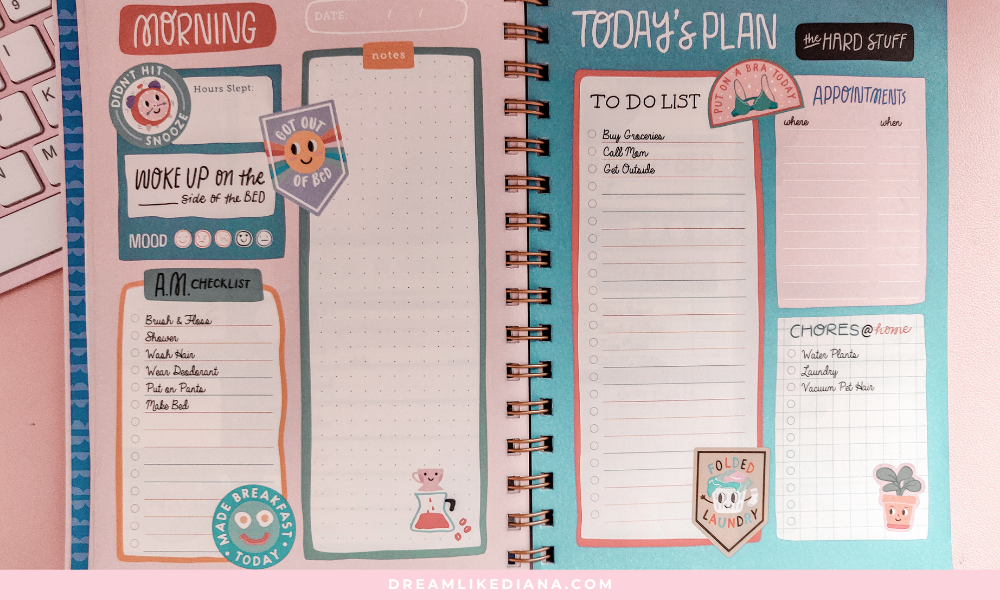
The daily pages are even more problematic. While they include fun elements like mood tracking and habit trackers, the actual planning space is limited. The "Today's Plan" section on the right page is small, and the "Hard Stuff" appointments area provides just two lines for what should be one of the most important parts of your day.
When your planner actively works against you instead of supporting your goals, it's no wonder that so many people give up on planning altogether. They think they're the problem, when really, they just need better tools.
The Cute Factor vs. Functionality: What Really Matters
Now, I'm not saying that planners can't be both beautiful and functional, some of the best planners I've used have been absolutely gorgeous. I take care in making my spreads, when I have time for them of course. But not every spread looks pristine, and that’s okay. There's a difference between thoughtful design that enhances functionality and superficial cuteness that actually gets in the way of effective planning.
This Target planner is a masterclass in prioritizing cute over functional. The stickers are adorable – I'll give them that. The color scheme is pleasing, and the little illustrations throughout the pages are undeniably charming. But when you actually try to use this planner for its intended purpose, the cute factor becomes a hindrance rather than a help.
The mood tracking circles are so small they're difficult to fill in clearly. The habit tracker uses tiny icons that are hard to see and even harder to mark consistently. The motivational quotes and cute sayings take up valuable real estate that could be used for actual planning space.
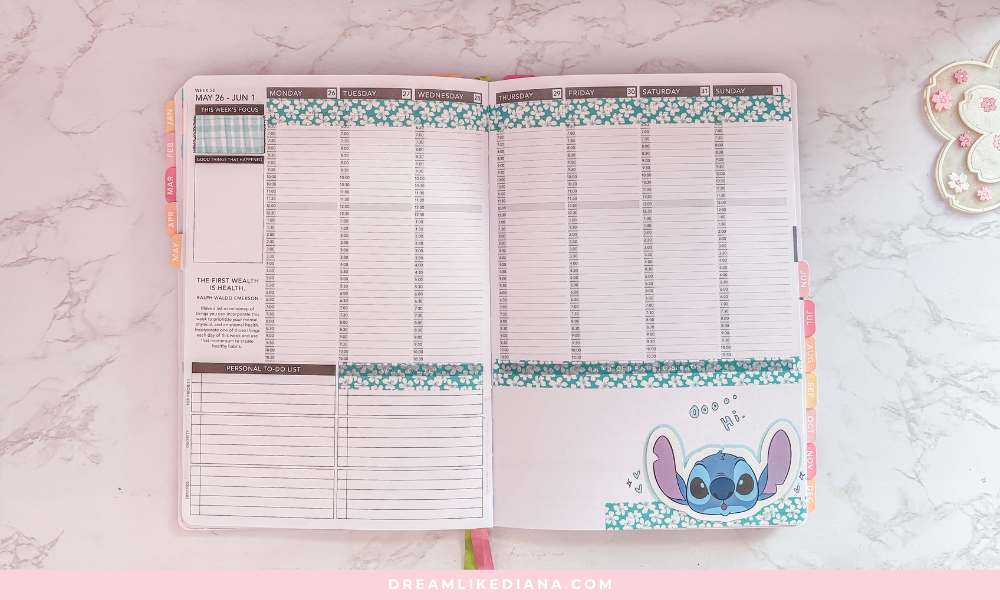
Compare this to a well-designed planner where every element serves a purpose. Good planners use visual hierarchy to guide your eye to the most important information. They provide adequate space for writing without wasting room on unnecessary decorative elements. They use quality materials that make the act of writing pleasant and sustainable over time.
The lesson here isn't that planners should be boring or ugly – it's that the best design serves function, not the other way around.
When you're choosing a planner, ask yourself:
Does this cute element actually help me plan better, or is it just there to make me feel good about buying it?
Paper Quality: The Foundation of Planning Success
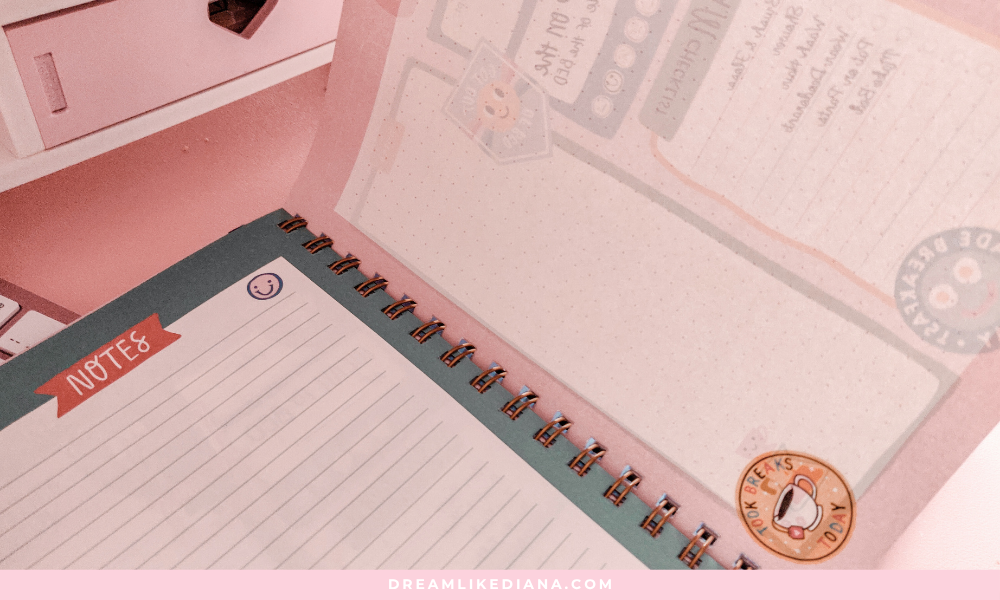
Let's talk about something that doesn't get nearly enough attention in planner reviews: paper quality. This might seem like a minor detail, but I promise you, it's one of the most important factors in determining whether you'll actually stick with your planning habit.
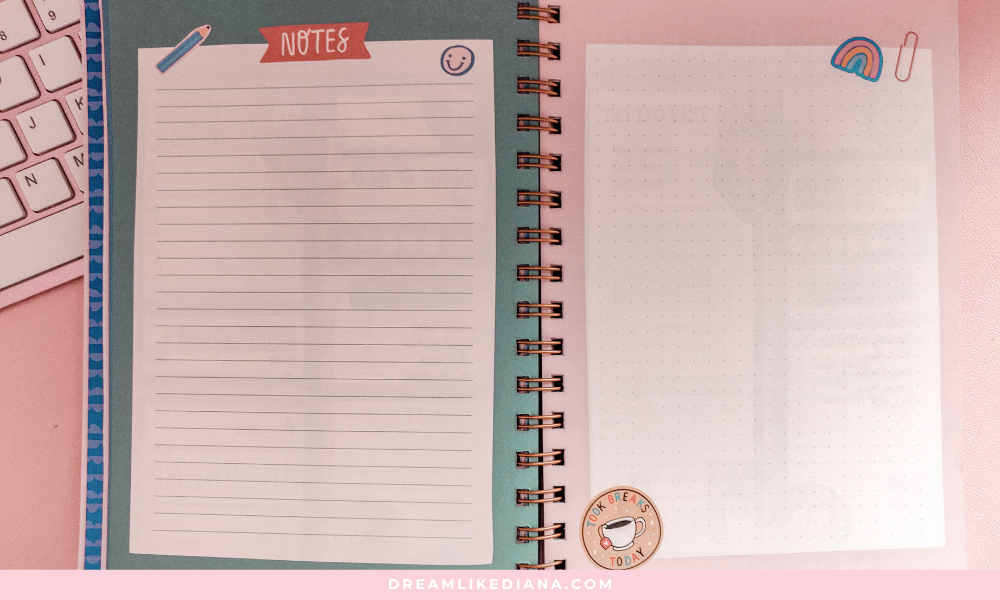
The paper in this Target planner is thin, almost translucent, with a texture that makes writing feel cheap and unsatisfying. When you write on one side of a page, you can see it clearly on the other side, which means you're essentially losing half of your usable space. The ink from most pens bleeds through, creating a messy, unprofessional look that makes you not want to open your planner.
This might seem like a small thing, but it's actually huge. When writing in your planner feels good – when the paper is smooth, when the ink flows nicely, when you can write on both sides without worrying about bleed-through – you're more likely to reach for it regularly. Good paper quality makes the act of planning feel intentional and valuable.
Quality paper also affects the longevity of your planner. Thin paper tears easily, especially around the spiral binding. Pages can fall out, corners can get damaged, and the overall durability suffers. When you're trying to build a long-term habit, you need tools that will last.
I've seen too many people give up on planning because their cheap planner made the experience frustrating and unsatisfying. They thought they didn't like planning, when really, they just didn't like writing on terrible paper.
The Two-Month Problem: Why Duration Matters
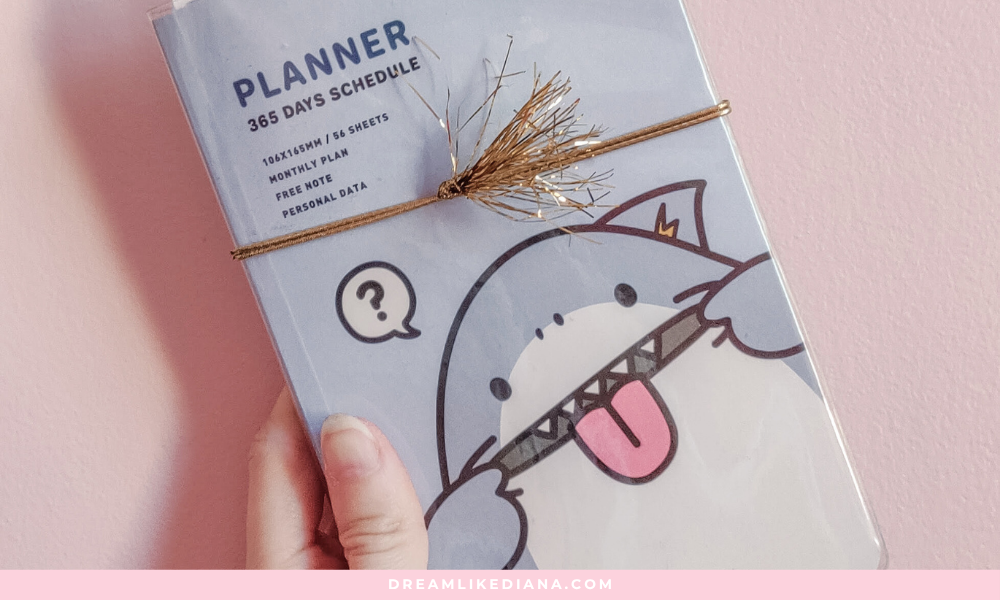
Here's something that really bothers me about this particular planner: it contains less than two months of actual planning pages. For a planner that promises to help you navigate adulting, this is a significant problem.
Building any new habit takes time – most research suggests it takes at least 21 days to form a habit, and up to 66 days to make it automatic. When your planner runs out after less than two months, you're forced to find a replacement system right when you should be cementing your new routine.
This creates what I call the "planning interruption cycle." You start with enthusiasm, you begin to build momentum, and then suddenly you have to stop and find something new. The transition period disrupts your routine, and many people never successfully make the switch to a new system.
Quality planners understand this. They provide enough content to last a full year, or they're designed as undated systems that you can use for as long as you want. This allows you to focus on building the habit rather than constantly searching for replacement tools.
The two-month limitation also suggests that this planner was designed more as a novelty item than a serious planning tool. It's meant to be purchased, used briefly, and then replaced – which is great for Target's bottom line but terrible for your planning success. It is then not affordable at all because quality tools are worth the investment, but cheap tools add up when you constantly have to replace them. Pretty soon you realize you spent more money on replacing tools than you did if you just bought the investment.
What Quality Looks Like: Better Options That Won't Break the Bank
Now that we've talked about what doesn't work, let's discuss what does. Quality planners don't have to be expensive, but they do need to prioritize function over form and provide real value for your investment.
One of my favorite examples is the Passion Planner, which I mentioned earlier. This company understands that quality planning tools should be accessible to everyone, not just people who can afford $50+ planners. They regularly run sales where you can get a high-quality, undated planner for as little as $3.14 on Pi Day, or around $10 during other promotions.
But here's the really amazing part: Passion Planner offers their entire planner system as a free download. That's right – you can get a professionally designed, thoroughly tested planning system for the cost of paper and ink. This is what it looks like when a company prioritizes helping people succeed over maximizing profit.
The difference in quality is immediately apparent. Passion Planners use thick, high-quality paper that handles most pens without bleeding through. The layouts are spacious and functional, with room for detailed planning and reflection. The system is designed to last and to grow with you as your planning needs evolve.
Other quality budget options include:
Rocketbook reusable planners that work with any pen and can be erased and reused
Bullet journal systems using quality notebooks like Leuchtturm1917 or Moleskine
Digital planning systems that offer unlimited customization and durability
The key is to look for planners that prioritize functionality, use quality materials, and provide enough content to support long-term habit building.
I've had friends literally squawk at me over the price of planners from Passion Planner and Erin Condren, rolling their eyes and saying, "I'll just get something from Target." But when I ask them months later if they're still using that cheap planner, the answer is always no. It's sitting in a drawer, abandoned after two weeks.
Meanwhile, they're asking me how I achieved some big goals, and I can tell you exactly how I didn't do it! Definitely not by buying planners I never felt motivated to use. I invested in myself and tools that actually inspire me to show up consistently.
When you put real money behind your commitment, you're more likely to follow through. That kind of intentional energy, choosing quality over convenience, investing in your future self, creates a ripple effect that goes way beyond just planning.
Red Flags to Watch For: How to Spot a Pretty Planner Trap
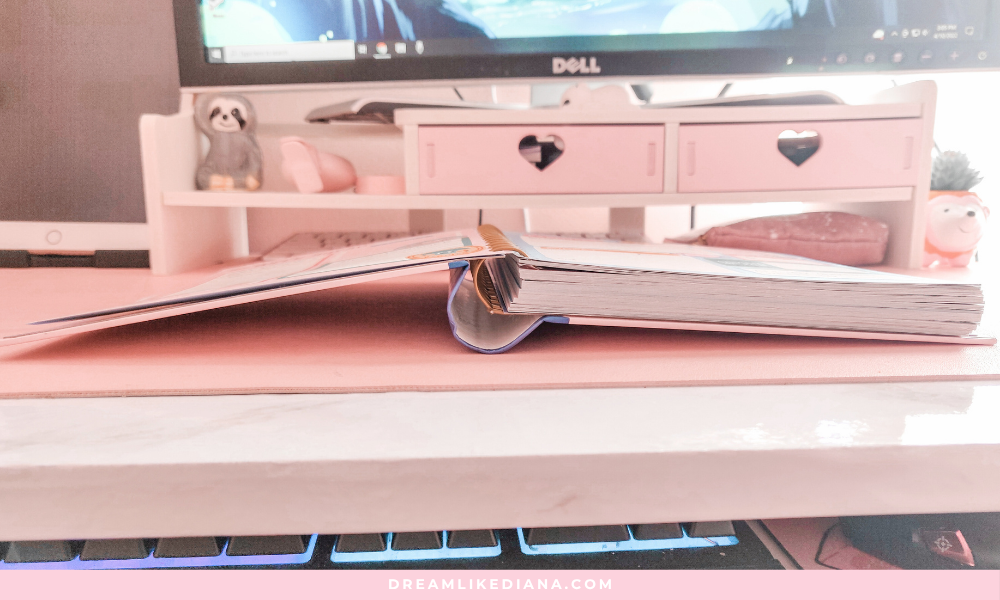
It doesn’t lay flat, it has this weird bump to it. Which made writing hard. The covers were great, hard cover, but the pages were thin led to a lot of ghosting, pen bleed, etc.
After years of trying different planners, I've identified several red flags that usually indicate a pretty planner trap. Here's what to watch out for:
Thin, translucent paper: If you can see through the paper clearly, it's going to bleed through and limit your usable space.
Limited duration: Any planner that provides less than three months of content is likely designed as a novelty rather than a serious planning tool.
Cramped layouts: If the planning spaces are tiny and surrounded by decorative elements, it's prioritizing looks over functionality.
Excessive stickers and embellishments: While some decoration can be motivating, if the stickers and cute elements are the main selling point, the actual planning system is probably lacking.
Vague promises: Planners that promise to "change your life" or "make you organized" without explaining how are usually relying on hope marketing rather than solid design.
Rock-bottom pricing: While planners don't need to be expensive, extremely cheap planners often cut corners on materials and design.
The Social Media Trap: When Bullet Journals Become Performance Art
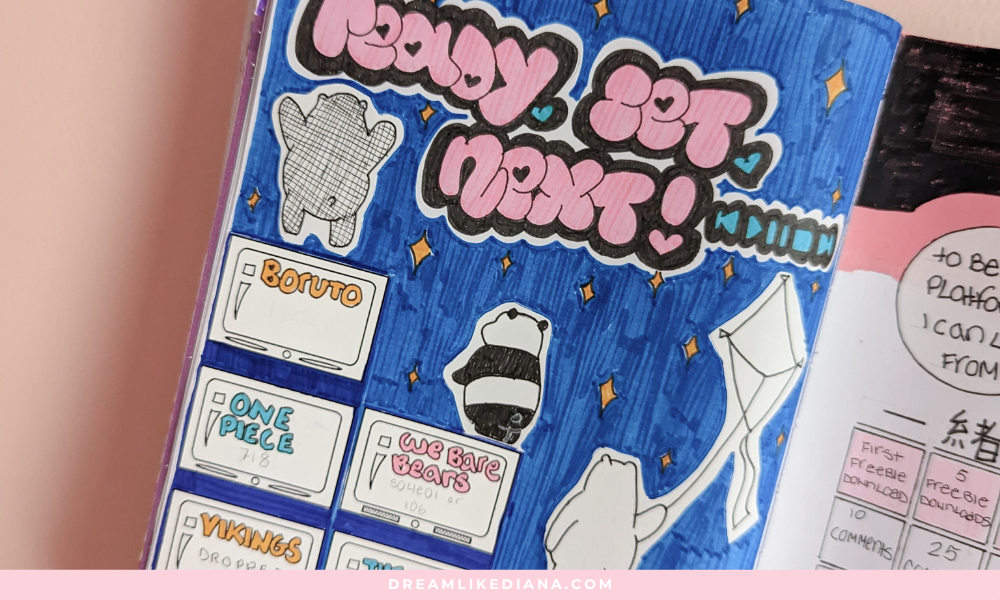
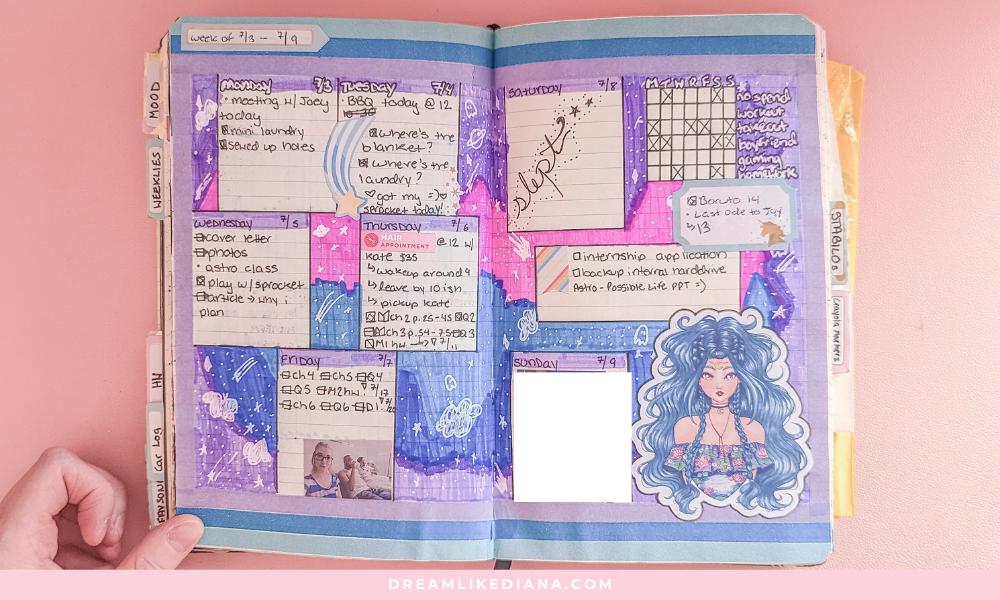
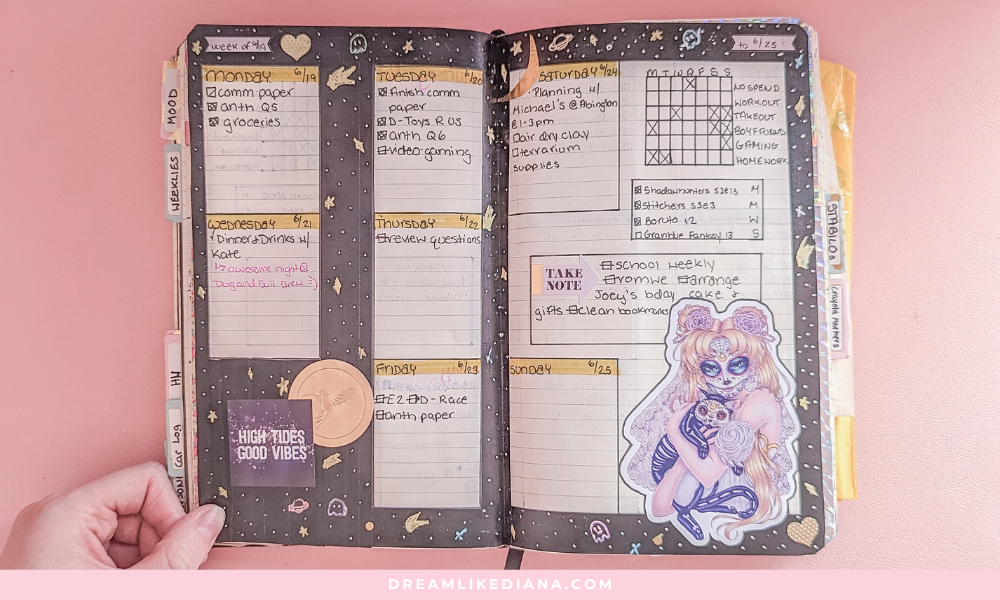
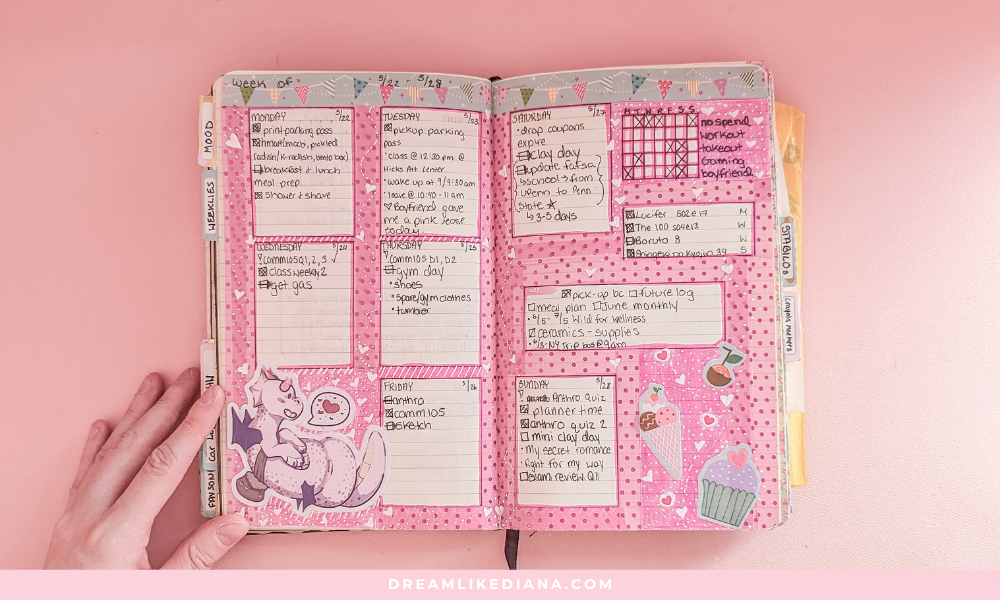
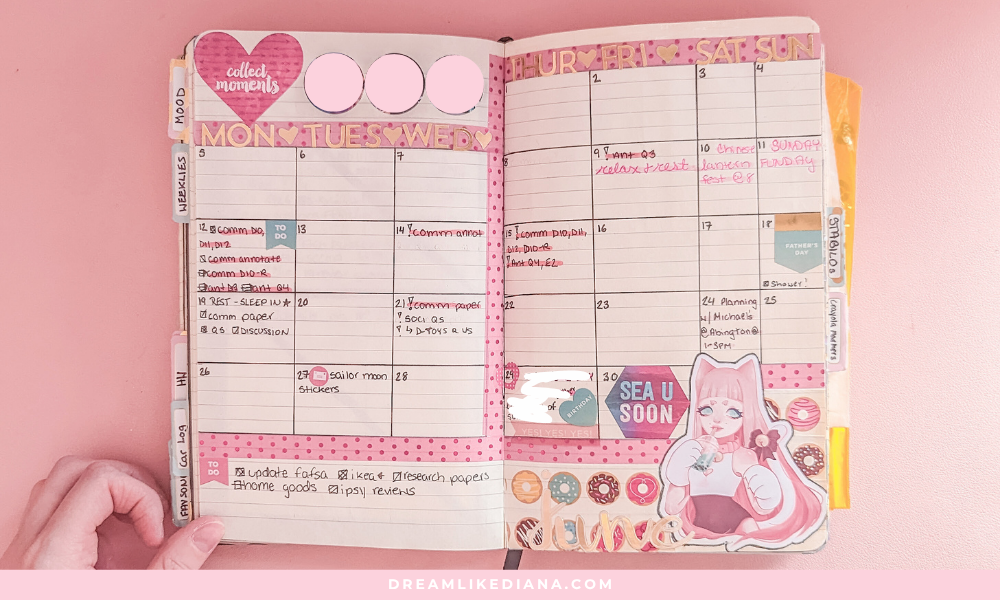
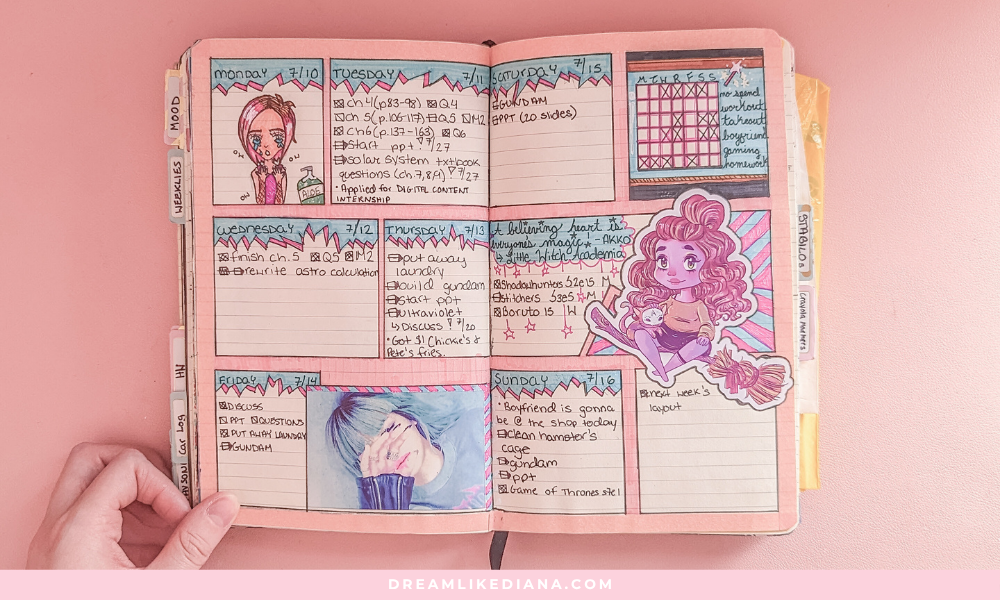
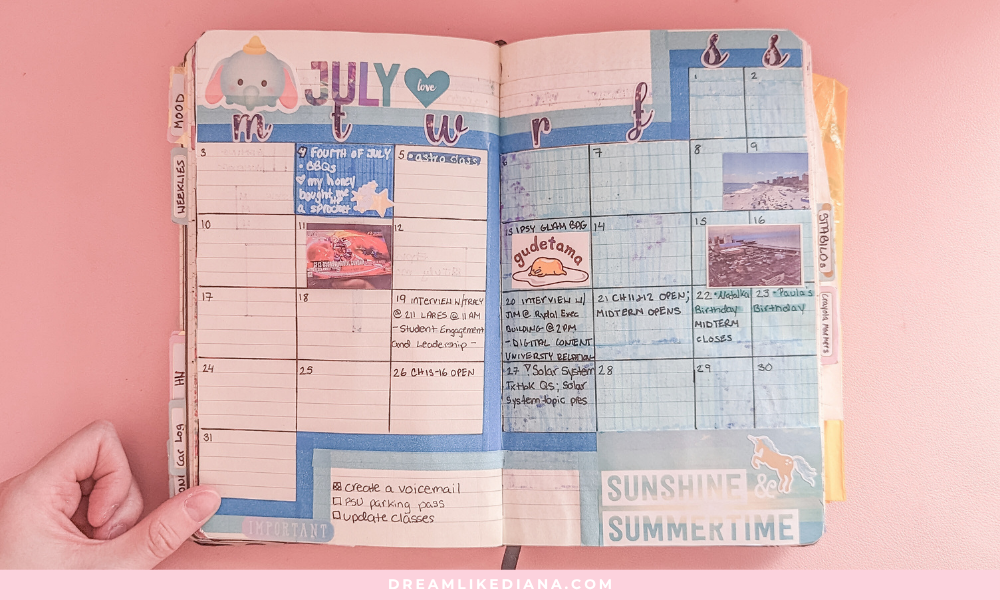
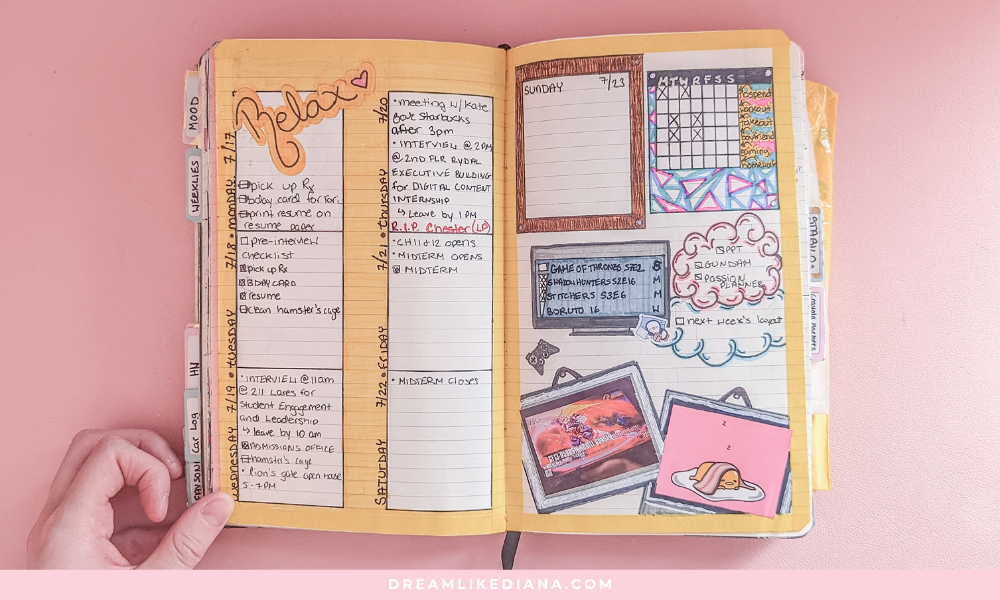
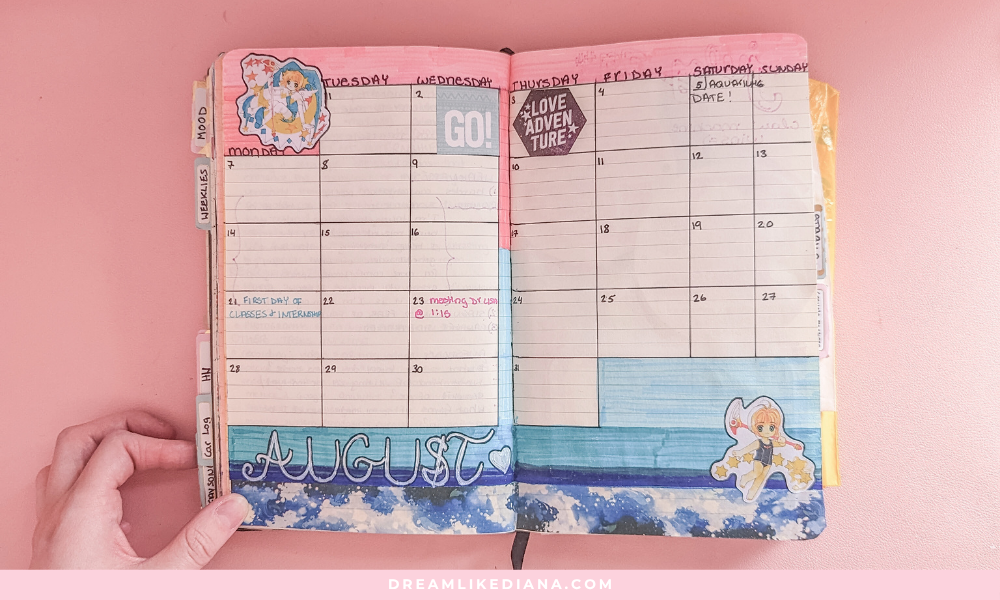
Before we talk about investing in quality tools, I need to address another major trap that's sabotaging planning success: the social media-ification of bullet journaling. This is perhaps the most insidious form of the pretty planner trap because it convinces people that their personal planning system needs to be performance-ready.
If you've ever scrolled through bullet journal hashtags on Instagram or Pinterest, you know exactly what I'm talking about. Page after page of perfectly lettered headers, elaborate watercolor spreads, and intricate doodles that look more like art projects than functional planning tools. These images are absolutely beautiful, but they've created an unrealistic standard that's driving people away from what should be a simple, personal practice.
Here's the secret that no one talks about: most of these picture-perfect spreads aren't actually being used as real planners. They're content creation, pure and simple. The people behind these accounts are often sponsored by brands, hoping to be sponsored, or working as affiliates earning commissions on the supplies they feature. They create these elaborate spreads specifically for the camera, not for their daily planning needs.
Want to know how to spot the difference? Look at the details. Real planners are messy, lived-in, and full of actual life. They have crossed-out items, smudged ink, and personal details that reveal genuine use. The Instagram-worthy spreads? They're suspiciously pristine, sparsely filled, and lack the authentic messiness that comes from actually planning your life. These creators often have a separate, much more basic system they use for their real planning – one that will never see the light of social media because it's not pretty enough to sell products.
This performative planning culture has created a devastating comparison trap. People are measuring their authentic, functional planning attempts against content that was never meant to be functional in the first place.
It's like comparing your everyday cooking to food styling for magazines. Of course yours looks different, because one is meant to be eaten and the other is meant to sell a fantasy.
Here's the truth that no one talks about, your planner or journal isn't meant to be shared. It's not meant to be Instagram-worthy. It's meant to serve you, your goals, and your life – and that's it.
My Very First Few Bullet Journal Spreads in 2016
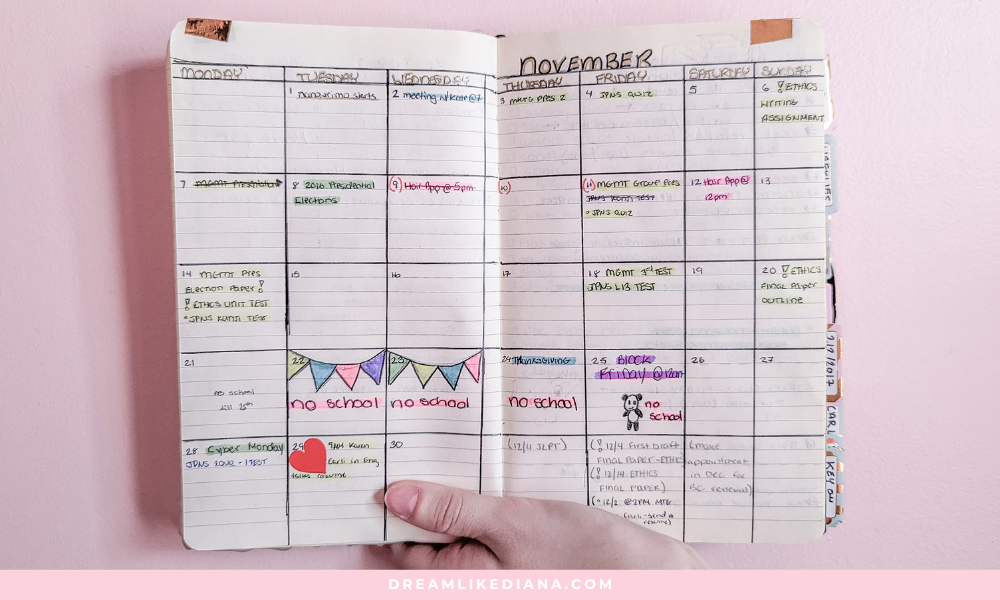
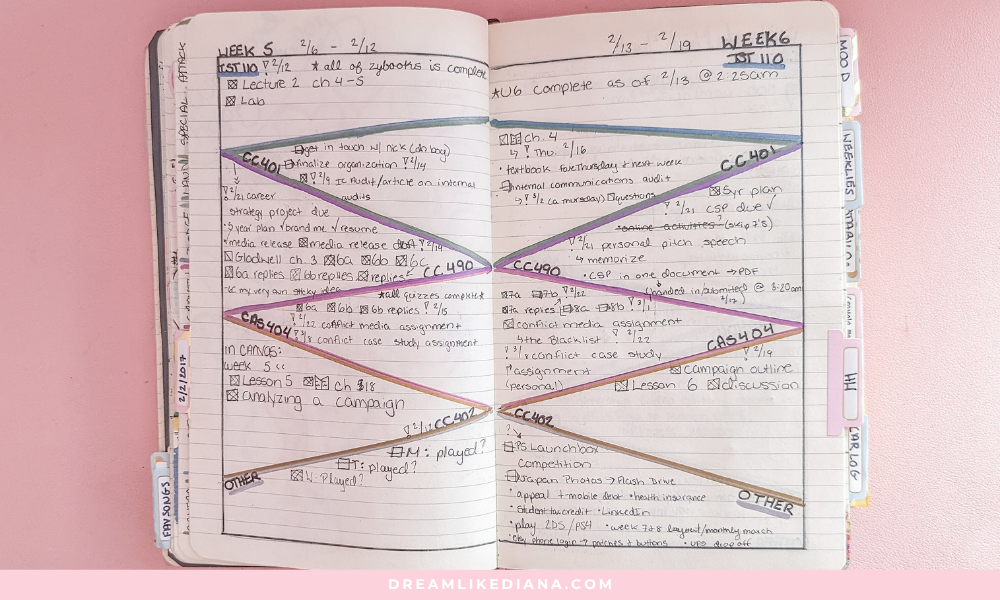
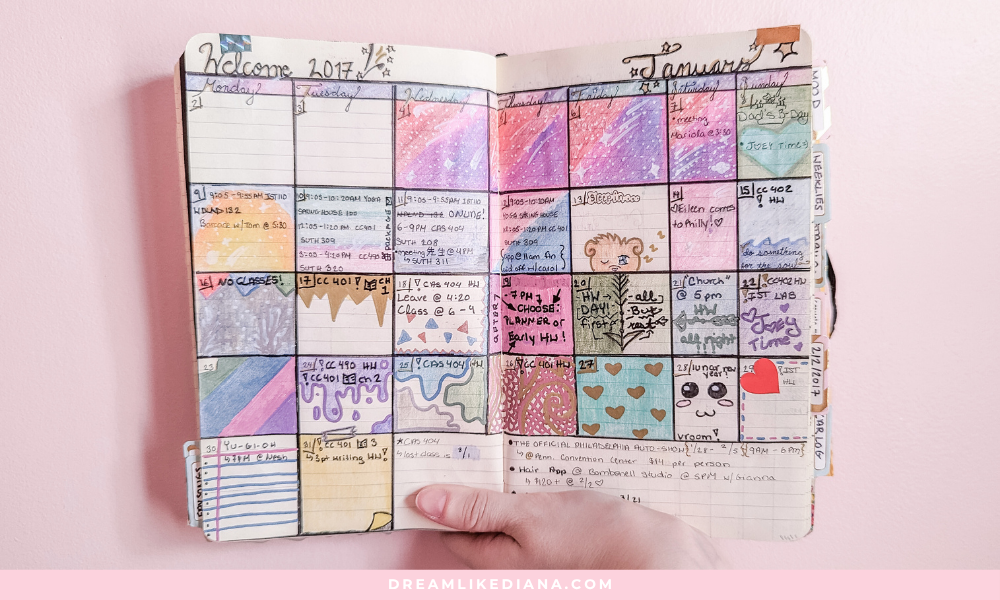
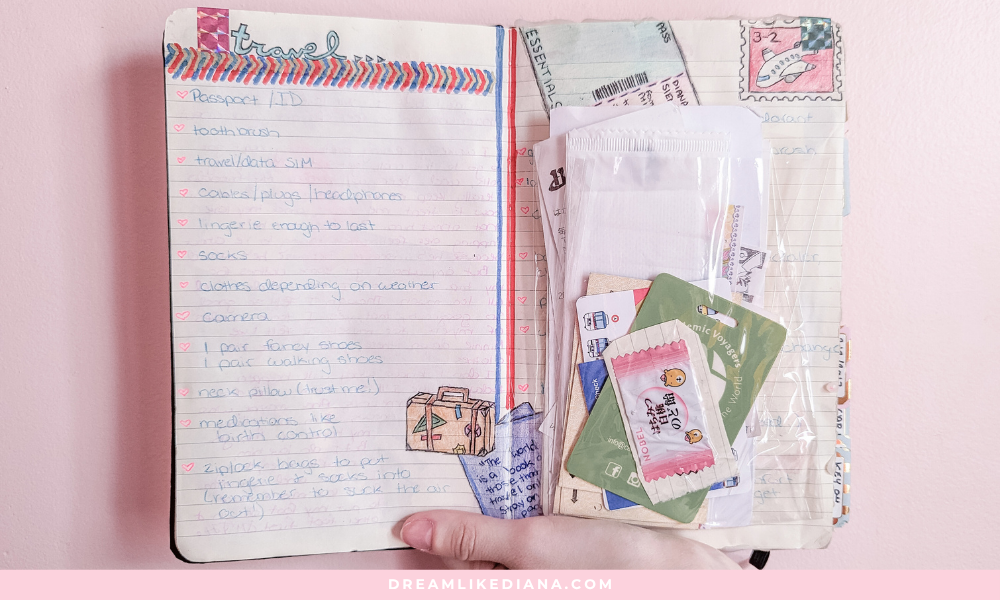
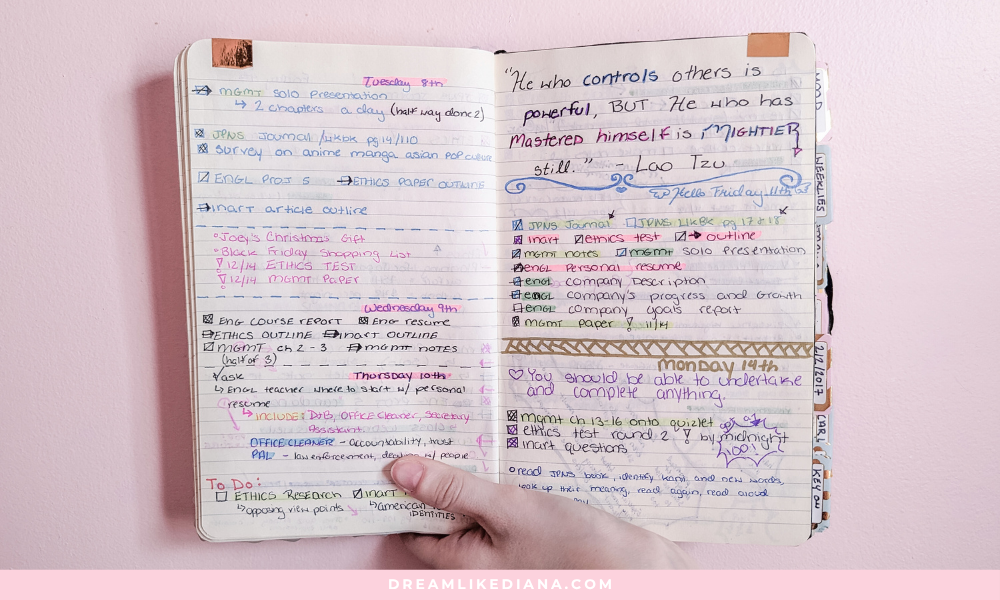
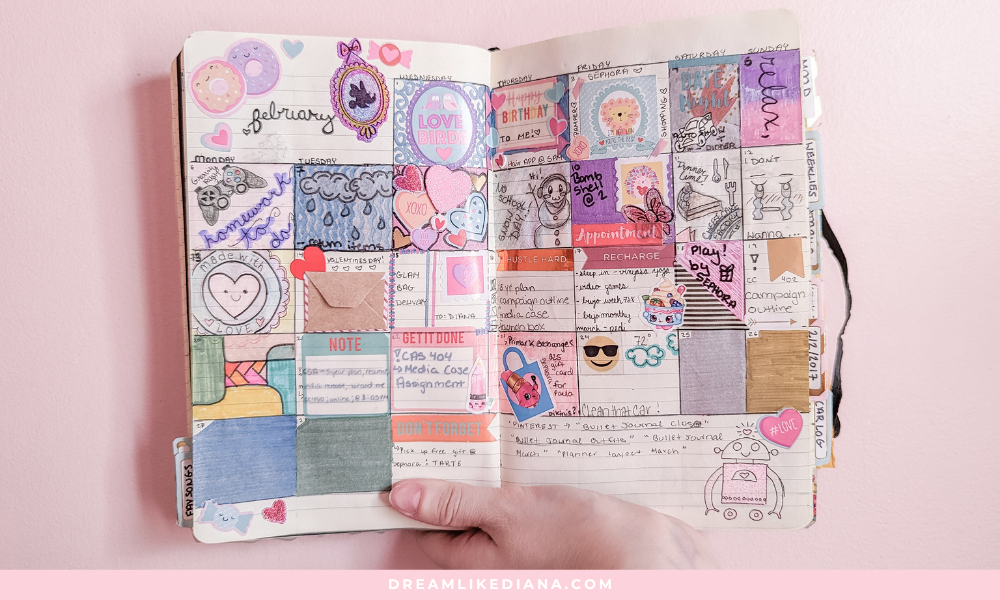
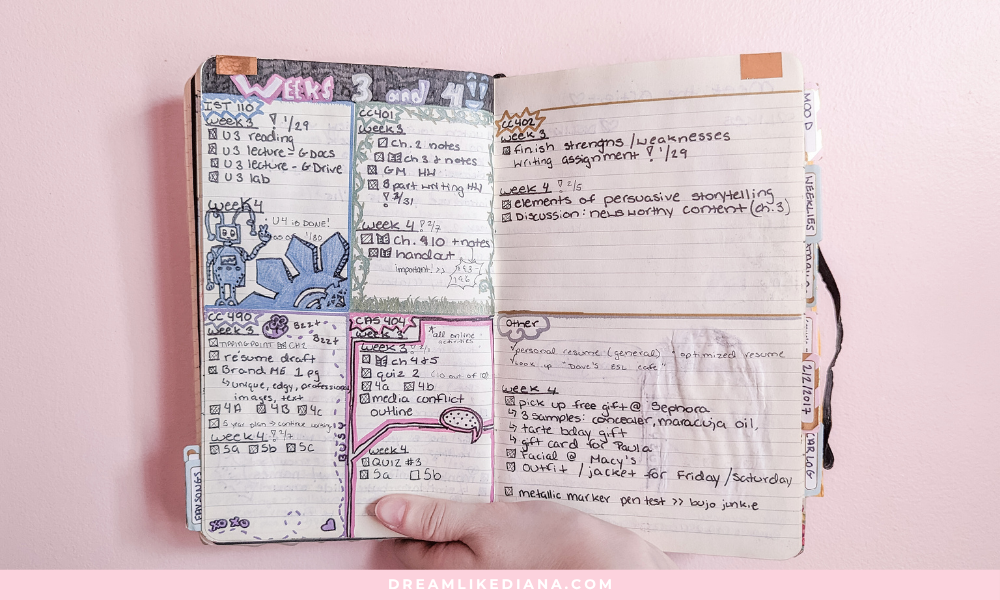
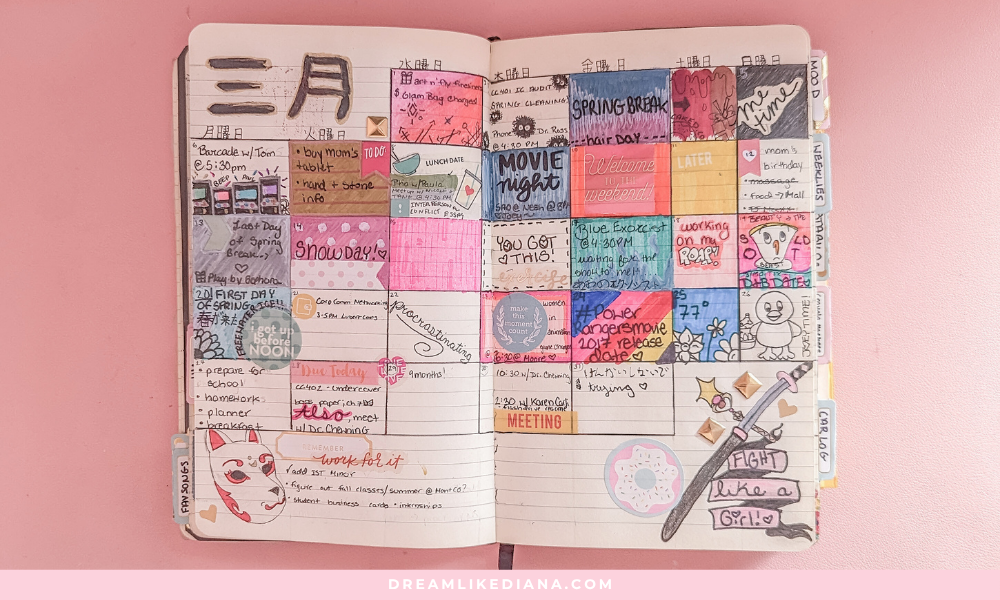
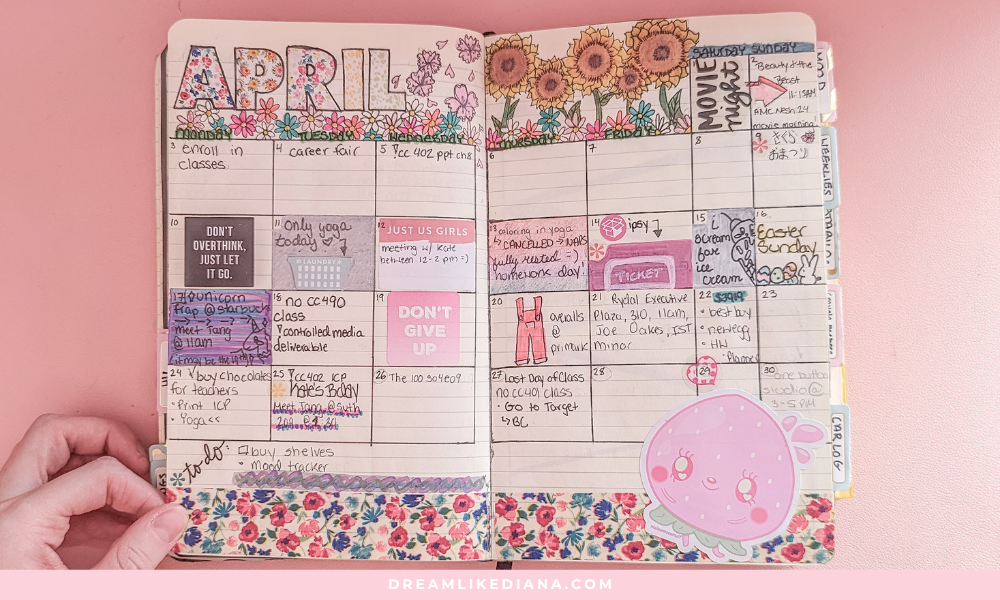
I've lost count of how many people have told me they gave up on bullet journaling because their spreads weren't "pretty enough." They'd spend hours creating elaborate layouts, only to abandon them because they didn't look like the ones they saw online. They'd compare their everyday handwriting to perfectly practiced calligraphy, their quick daily spreads to carefully staged photography, their functional but imperfect systems to curated content created specifically for social media.
This perfectionism paralysis is devastating because bullet journaling, at its core, is supposed to be the most flexible and personal planning system available. The original method created by Ryder Carroll was intentionally simple – dots, dashes, and basic symbols that anyone could use regardless of artistic ability. It was designed to be functional first, pretty second (or not at all).
But social media has transformed this simple system into a competition for aesthetic perfection. People feel like they need to be artists to keep a bullet journal, when really, they just need to be human beings who want to get organized.
The irony is that the most beautiful bullet journals are often the least functional. When you spend two hours creating an elaborate weekly spread, you're less likely to actually use it for planning. When you're worried about "ruining" a pretty page with messy handwriting or crossed-out items, you're less likely to be honest about your real planning needs.
For those who want to enjoy some of the creative aspects of bullet journaling without the pressure of creating everything from scratch, there are solutions that can help bridge this gap. Pre-designed spreads and templates can provide the aesthetic appeal without the time investment, allowing you to focus on the actual planning rather than the decoration. This approach lets you have beautiful pages without sacrificing functionality or spending hours on setup.
The point is that your planning system should serve you, not the other way around. Whether your bullet journal looks like a work of art or a collection of messy lists, what matters is whether it helps you achieve your goals and manage your life effectively.
The Investment Mindset: Why Quality Planning Tools Pay for Themselves
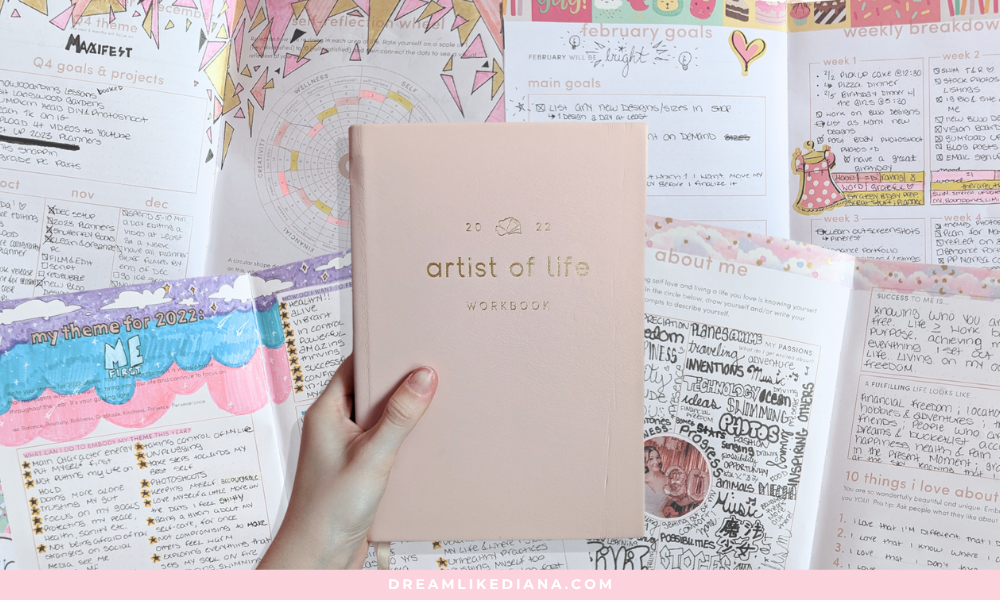
Let's talk about something that might seem counterintuitive: spending more on a planner can actually save you money in the long run. When you buy a cheap planner that doesn't work, you're likely to abandon it and buy another one. And another one. And another one.
I've seen people spend $50+ on a series of cheap planners over the course of a year, when they could have bought one high-quality planner that would have lasted the entire time and actually helped them build sustainable habits.
But the real cost isn't just financial – it's the opportunity cost of failed planning attempts. Every time you start and stop with a new planner, you're reinforcing the belief that you're "not a planner person" or that you can't stick with organizational systems. This negative self-talk can prevent you from trying again, even when better tools become available.
Quality planning tools are an investment in your future self. They make the act of planning pleasant and sustainable, they last long enough to support real habit formation, and they provide the functionality you need to actually achieve your goals.
Building Sustainable Planning Habits: It's Not Just About the Planner
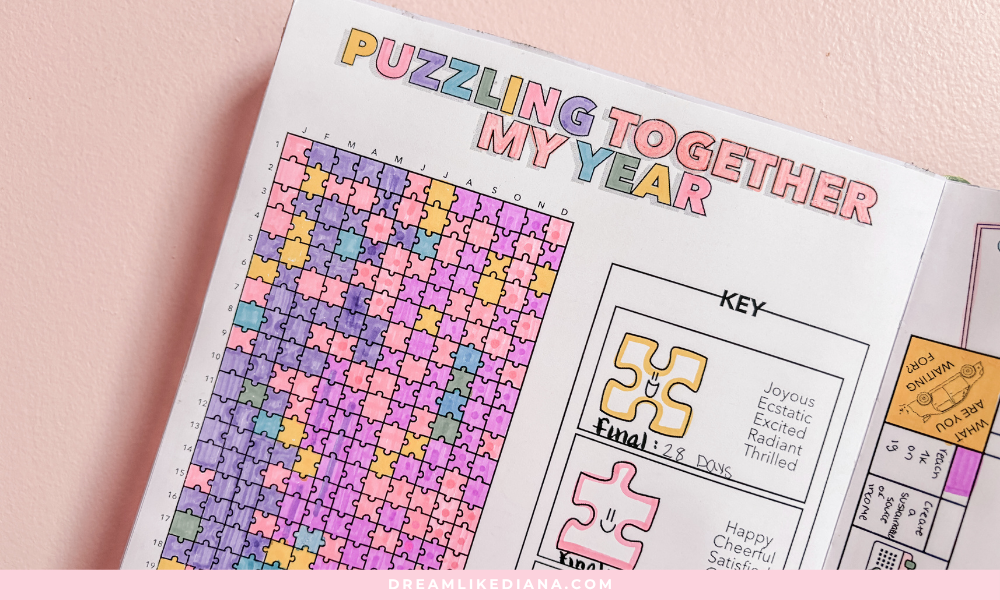
While having the right tools is crucial, it's not the only factor in planning success. The best planner in the world won't help if you don't use it consistently. Here are some strategies for building sustainable planning habits, regardless of which planner you choose:
Start small: Don't try to transform your entire life overnight. Begin with just one or two simple planning practices and build from there.
Make it routine: Attach your planning time to an existing habit, like having your morning coffee or winding down before bed.
Focus on progress, not perfection: Your planner doesn't need to be perfectly filled out every day. Consistency matters more than completeness.
Regular review: Set aside time weekly to review what's working and what isn't. Adjust your system as needed.
Be patient: Remember that habit formation takes time. Don't give up if you don't see immediate results.
The Planner You Choose Can Make or Break Your Progress
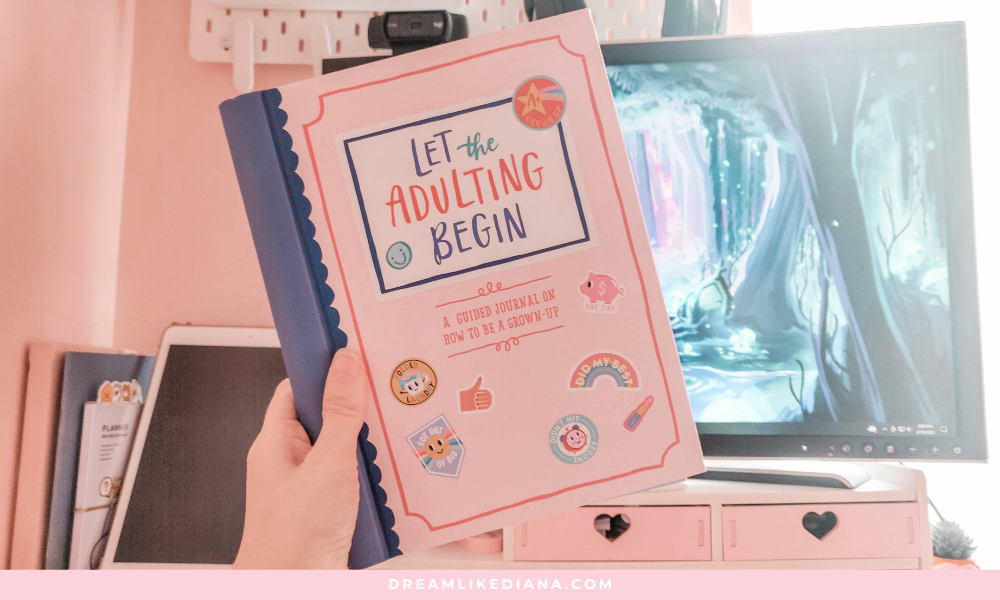
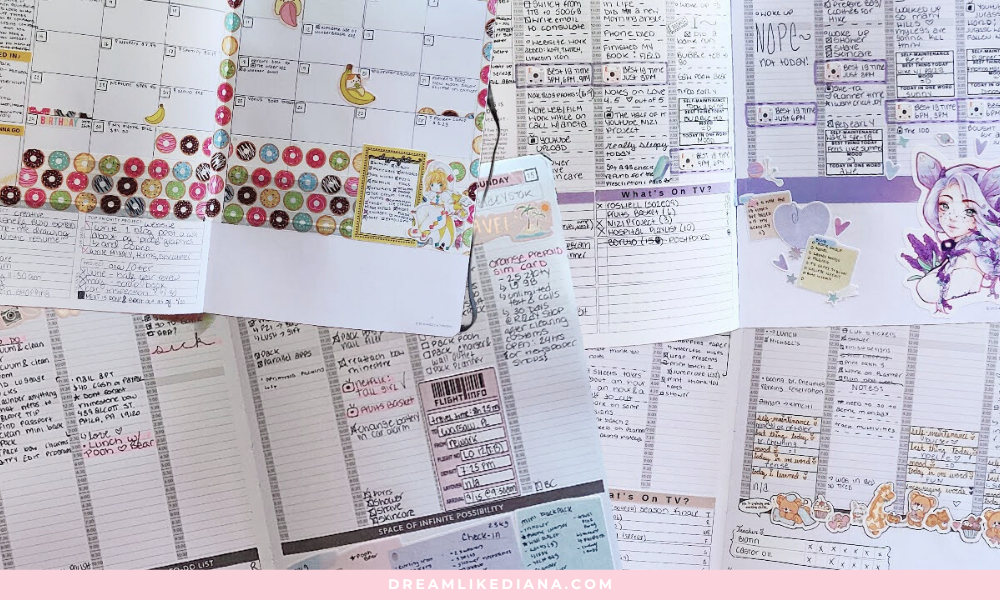
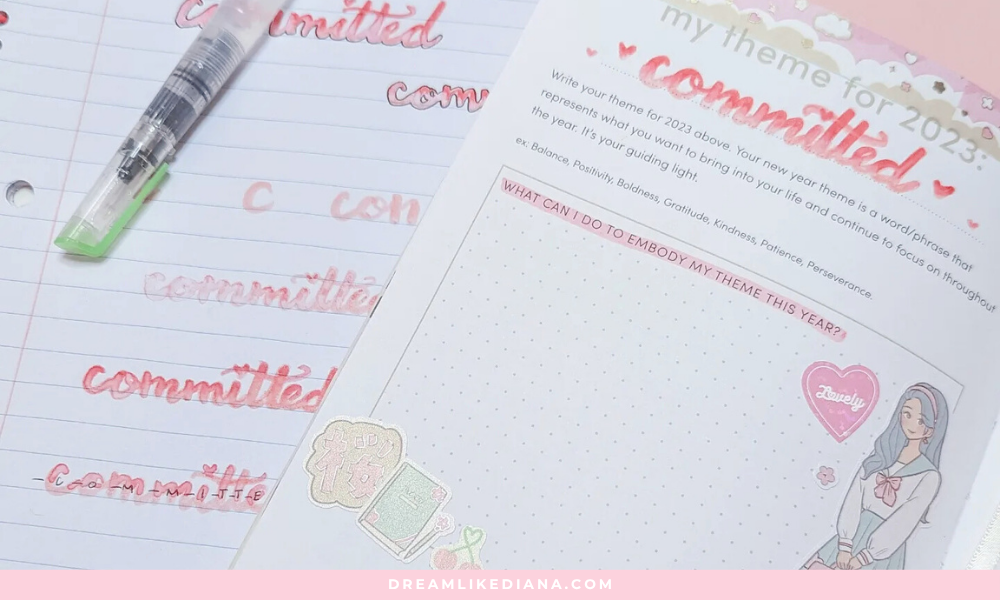
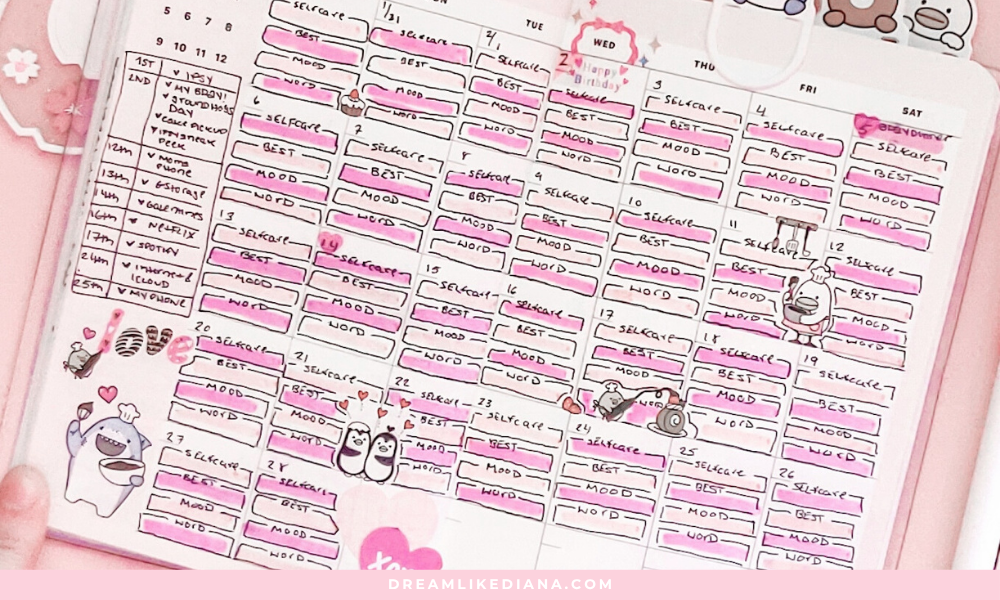
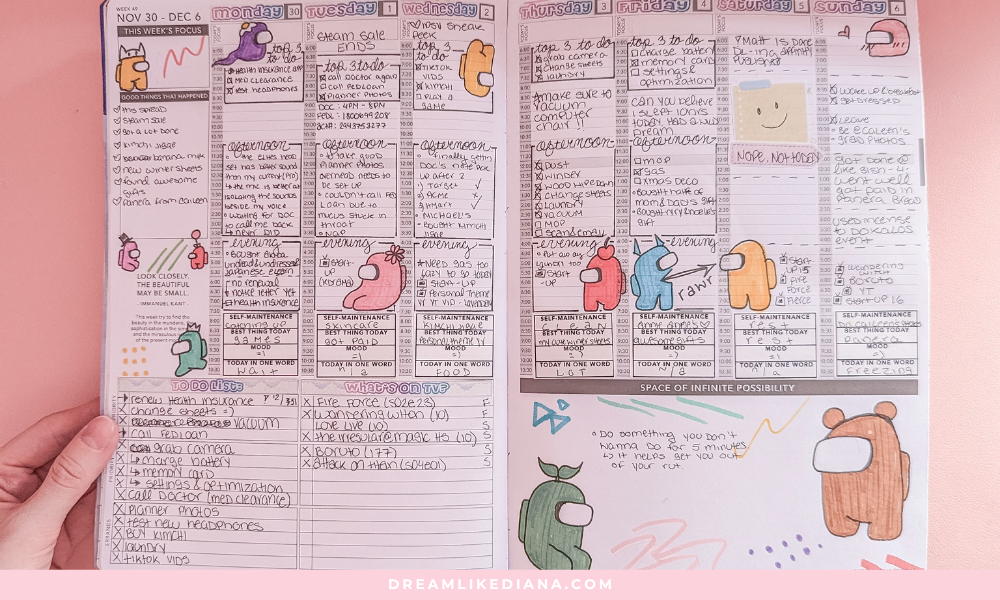
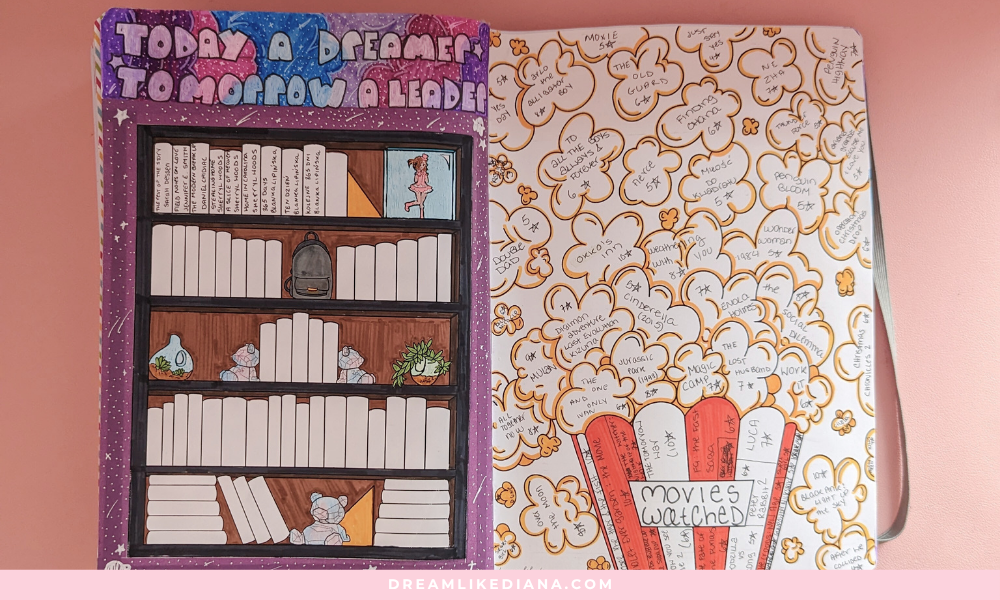
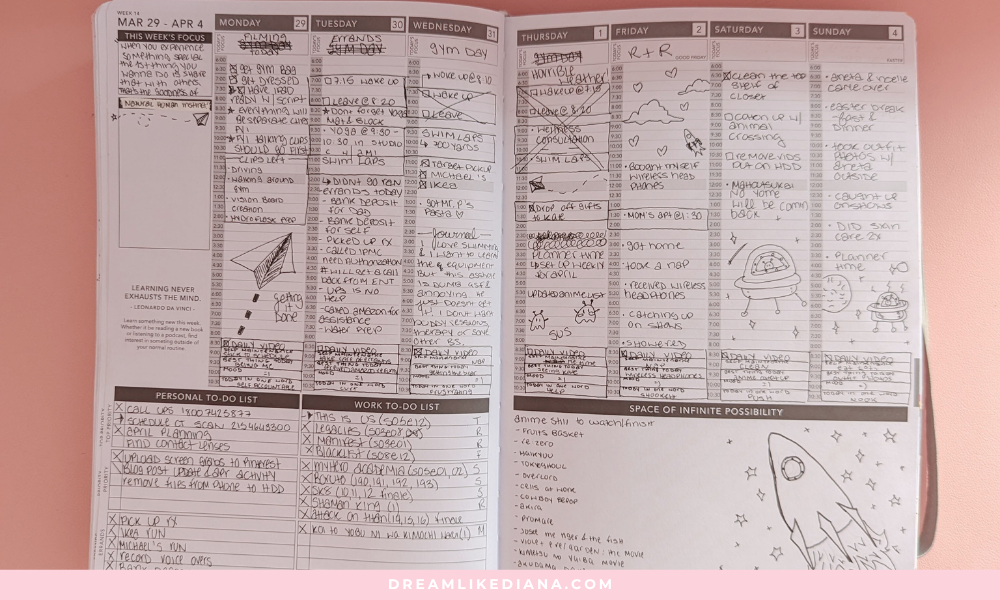
The “Let the Adulting Begin” planner, and many others like it lining the shelves of Target and Walmart, perfectly illustrate how the planning industry often sells style over substance. These products are designed to look good, feel good to buy, and spark a fleeting sense of motivation. But more often than not, they fail to support the kind of sustained planning that leads to real change.
This isn’t just about one planner—it’s about the broader issue of being sold pretty distractions instead of practical tools. You deserve better than a quick dopamine hit from a cute cover. You deserve planning tools that are thoughtfully designed to help you stay consistent, prioritize what matters, and actually build the life you want.
The next time you're tempted by aesthetic appeal, ask yourself: Does this planner support my goals or just make me feel good about planning? Does it have the structure, quality, and layout I need to truly stay on track? Because the right planner isn’t the one that looks best on Instagram—it’s the one that quietly supports your growth behind the scenes.
The good news? Functional, high-quality planning tools are more accessible than ever. Whether it’s a Passion Planner, a custom bullet journal, or another intentional system, you have options that prioritize you—your habits, your workflow, your goals.
Your planning tools matter more than you think. They’re not just accessories; they’re the foundation of your productivity and peace of mind. So choose wisely, invest in what works, and remember: the most beautiful thing about a planner isn’t how it looks—it’s how well it works for you.
Till next time!
~Diana