This Video Changed Everything for My Channel—Here's the Complete Data Breakdown
Field Notes: A series where everything I do comes back to my business. Everything I do is business training in disguise. This is what I call doing fieldwork: learning from real life, not just from behind a screen.
Welcome to My Best Performing Video (So Far)
This isn't just another "how I started my business" video. This is a documentation of what happens when you stop waiting for perfect conditions and start building with what you have—even when "what you have" is a bedroom smaller than a single dorm room.
"Starting My Business Out of a Closet Space ♡ 92 sq ft, small biz studio, tiny space" became my best performer yet. In the video, I show the entire process of setting up my Cricut Joy Extra, thermal label printers, and Epson EcoTank printer while reconfiguring my 92-square-foot bedroom to make space. You'll see the chaos, the problem-solving, the first time using each machine, making freebie stickers, and packing my very first order from my friend Liz. The video ends with a sticker sale counter showing I'd completed 118 orders by the time this went live.
If you haven't watched it yet, watch it first. Everything I analyze below—the 33 strategic wins, the 7 mistakes, the technical choices, the editing decisions—won't make full sense without seeing what I'm actually talking about. This breakdown is the field notes on the video itself, not a replacement for it.
The Results That Matter
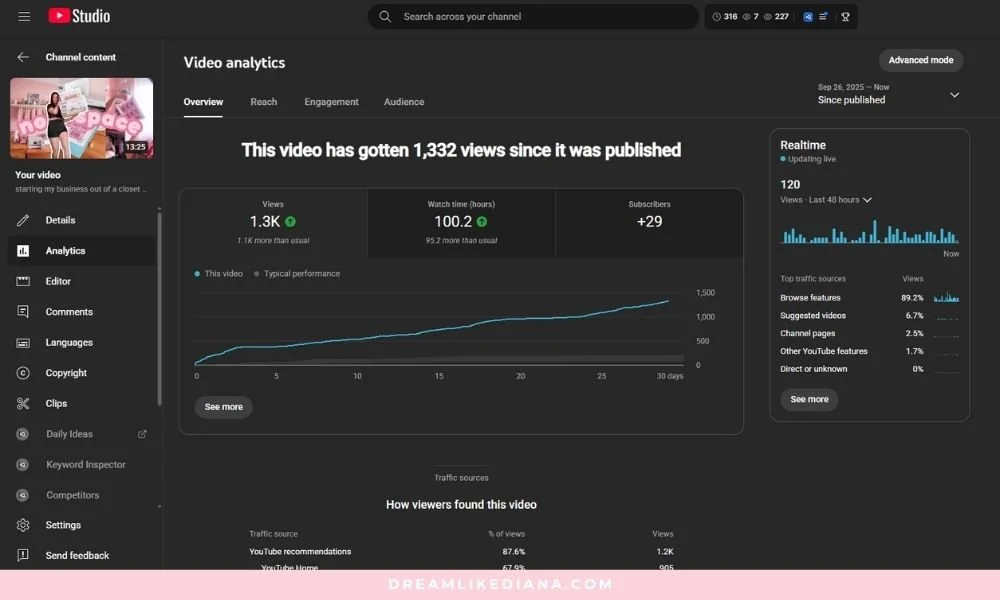
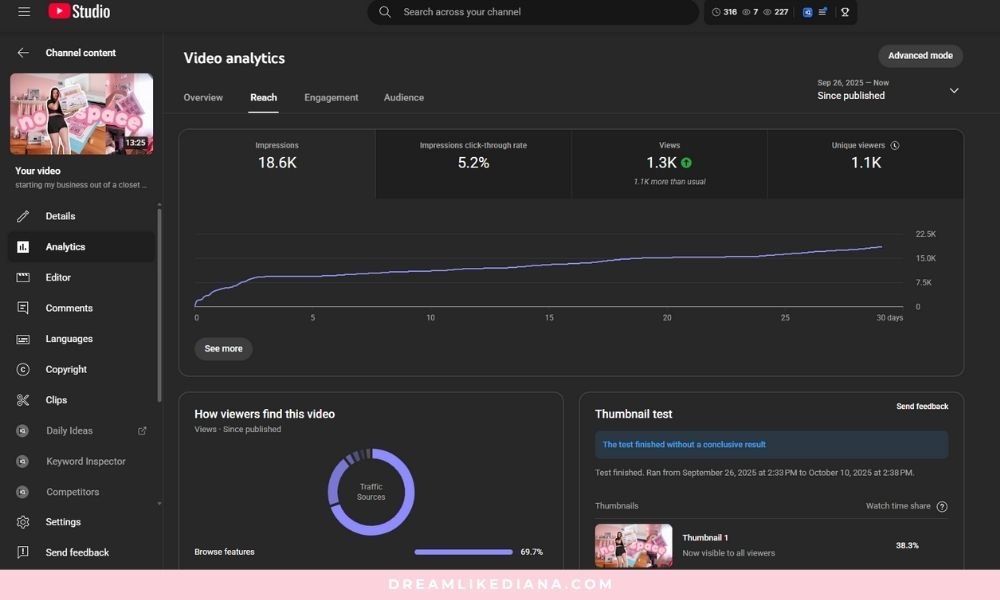
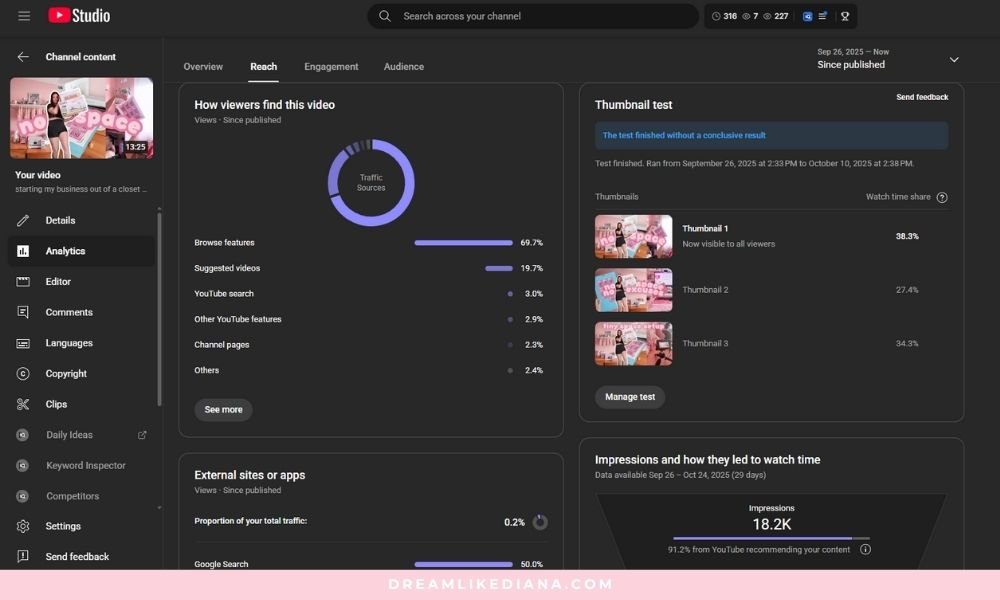
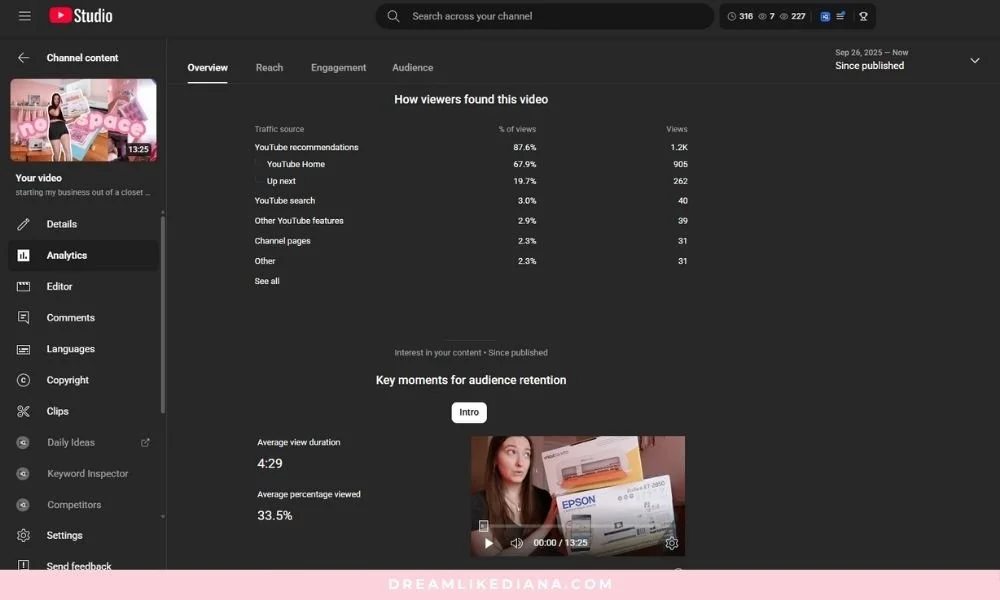
193 views in the first 24 hours
1,321 views total (and still growing)
+48 subscribers gained (and still growing) (YouTube analytics says +29, but I believe people are watching other videos and exploring my channel before hitting subscribe—that's quality audience building)
3 comments (comments are RARE on YouTube—you can have 100k subscribers and only get 12 comments. This matters.)
63 likes (YouTube isn't Instagram or TikTok. It's not about likes—it's all about watch hours and views, but this still feels good)
Published: September 26, 2025
Video Length: 13:24
Category: How To & Style
These numbers might not look massive, but for my channel, this is a breakthrough. This video proved that authentic storytelling about real struggles resonates more than polished perfection ever could.
In this blog post, I'm breaking down exactly what worked, what didn't, and what I learned from the real data. Because here's the thing: every upload is a test. Every metric tells you something. And if you're not analyzing what actually happened (not what you hoped would happen), you're missing the entire point of doing fieldwork.
I'm sharing the unfiltered behind-the-scenes of creating this video because transparency is how we all grow. You'll see my wins, my mistakes, and the specific tactical choices that led to this video's success. If you're building a business, creating content, or just trying to figure out how to make things work in less-than-ideal circumstances, this is for you.
Let's dive in.
What I Did Well
This section is crucial because these aren't just video production tips—they're business lessons. Everything you see here is what contributed to this video becoming my best performer.
1. The Title Was Perfect
"starting my business out of a closet space ♡ 92 sq ft, small biz studio, tiny space" worked beautifully. I do have TubeBuddy (free), but here's the lesson: TubeBuddy scores are not to be trusted. The only thing a TubeBuddy score does is give you a rough idea of how optimized your video might be for search — it doesn't guarantee views, clicks, or success. TubeBuddy gave this title a 68/100 score, which is mediocre at best.
But clearly, this video is doing SUPER well. Trust your instincts over algorithm tools. I added broad tag keywords to the tail end of my title and made it my own instead of trying to fit someone else's mold. Authenticity wins.
2. Calling My Bedroom a "Closet Space" Was Strategic
I always joke that my room is the size of a shoebox. It IS smaller than a single dorm bedroom. That's not exaggeration—that's reality. But framing it as a "closet space," was my boyfriend's idea and it stuck. It's very emotionally sticky, intriguing, relatable, and engaging. People want to see how someone makes it work in impossible circumstances. Lean into your constraints—they're your unique selling point (USP).
3. I Showed Up Authentically, Flaws and All
Sometimes the video quality wasn't perfect. Sometimes the lighting was off. Sometimes I looked like an absolute mess in a crop top and booty shorts (it was summer on the third floor, my room gets EXTREMELY hot). My head got cut off in some clips. I looked like a mess or cozy in others. But this authentic version of me is what resonated with viewers. I think looking like a mess or cozy just adds to my benefit—it makes me relatable and real. Perfection is boring. Authenticity wins.
This video proved that showing up as your real self—imperfect, messy, figuring it out—is more valuable than waiting until everything is polished. And it's through all the videos I've made thus far that I've been able to put out such a great performing video! Each failed attempt was a building block.
4. I Made It User-Friendly From the Start
I added timestamps right from the get-go because I know I love chapters on other people's videos, doesn't matter how long or short the video is—it's just something I prefer. When I design my website or edit videos, I always design with the reader and user in mind. I absolutely hated ads and pop-ups everywhere, so I didn't include them on my site! This is a clean reading environment for a reason. Yes, I don't make much money this way, but honestly, I wouldn't be able to live with myself if I hated my own website. And I absolutely LOVE my website.
I use the same mindset when I design and edit videos. I try to make it user friendly. Our attention spans are so small now thanks to Instagram and TikTok. When we don't know what we're getting ourselves into, we might get antsy and leave faster. Knowing what's to come gives the viewer control and makes them more likely to stick around or skip to the parts they care about most. Either way, they're watching.
5. I Kept Things Visually Dynamic and Engaging
I filmed with multiple angles on three different cameras—my iPhone 15, my GoPro Hero 10, and my Canon G7X Mark II. Zooming in on specific parts, showing different perspectives, demonstrating the room redo process—all of this visual variety kept things interesting. I showed that there's NO ROOM in my room from multiple angles so viewers could really understand the constraints I was working with.
Any time I mentioned specific things—my aesthetic corner, product photos, the finished space setup—I inserted actual images. It's really hard to see things clearly in video clips, especially when you're filming in a small space with mediocre lighting. Letting the viewer see high-quality images that pop up on screen makes them go "OH MY GOD THAT'S CUTE!" and keeps them engaged.
I also took the audience through multiple POVs: first-person POV, third-person perspective, wide shots, close-ups—all the different angles kept things dynamic. It helps engage viewers, keeps things visually interesting, builds suspense, and makes them feel like they're experiencing it with me. Variety in framing is just as important as variety in content.
6. I Added Text Overlays with Sound Effects
I learned this technique slightly before making this video, and it completely changed my editing game. I don't just watch videos anymore—I consume them as a student. I'm always analyzing the million little things creators do to make a great video come to life. Text overlays with sound cues (those bubble sounds) keep viewers engaged, guide their attention to key moments, and make the storytelling feel more dynamic and intentional. It's such a small detail, but it adds personality and rhythm — turning a simple clip into something that feels alive and thoughtfully crafted.
7. I Got the Technical Details Right
I made sure all audio levels were correct—talking clips, background music, sound effects—everything needed to be balanced at the correct decibel level. You don't want it to be jarring to the viewer or annoying that the audio is all over the place. I really wish I learned this sooner, but it's a great skillset to have now! It still takes a lot of time to make sure everything is perfect though. I'd rather spend hours getting audio right than lose viewers because something was too loud or too quiet.
I also separated audio clips and matched them with different b-roll. I used a lot of talking audio clips that I separated from their original footage and matched with different b-roll clips. This meant the visuals stayed interesting even when I was explaining something. These clips didn't even need closed captions because the context was clear.
8. I Knew When to Add Music and When Not To
This is SUPER KEY, but it's a skillset you have to figure out for yourself through trial and error. I can't just teach it simply because everyone is different. No video is the same. You have to learn by doing, by watching examples, by failing multiple times. I had to flop and fail many times before I understood when to add music and when to let silence or natural audio carry the moment. Sometimes, no music at all says more than any soundtrack could. It's about feeling the rhythm of your story — knowing when the energy needs a lift and when it needs space to breathe. Once you find that balance, your edits start to feel right instead of just looking right. Choosing the right music also takes a lot of time and experimentation, but it's worth it.
9. I Used Timelapses Strategically for Pacing
Certain clips were timelapsed with music playing over them. This kept the pacing tight and made mundane setup tasks more visually interesting. It's also important to know when to do them because I could have over done it, but I didn't. Pacing is everything—if your video drags, people leave. If it moves too fast, people get confused. Finding that balance is an art.
10. I Let My Personality Shine Through
I made sure to include my quirky commentary — just me being me in my most natural habitat. It felt effortless, and that authenticity brought the video to life. I even made my own sound effects without realizing it; that spontaneous playfulness ended up setting the whole tone. I included little ASMR moments that brought quirkiness and warmth to the video. They're unexpected, delightful, and very on-brand for my personality.
I'm very verbal to begin with. I told my boyfriend before we started dating "there's never a dull moment with me," and it's still true over two years later. Never a dull moment. I talked to the camera like the audience were my friends—I explained things conversationally, was vulnerable without oversharing, and cut out curse words (keeping it family-friendly helps with algorithm promotion). I treated viewers like they were hanging out with me in my tiny bedroom, watching me figure this out in real-time. That intimacy builds connection.
When my boyfriend and his mom watched it, they both said it was addicting. Honestly, I've rewatched it myself several times — not out of vanity, but because I genuinely love it. And when you truly love your own content, that energy translates. My genuine reactions were pure gold—excitement over the tiny Cricut, satisfaction when the test print worked, frustration when I couldn't figure something out—all of it was real. Viewers can tell when you're faking reactions.
I talked more about this in another Field Note post, I Posted My First Vlog and It Flopped: Here's What I'd Change (And Why It Still Mattered) — where I said:
"Remember: you have to be different and engaging. For any regular person doing regular things, I'm not going to watch unless they're different in some sense. You have to be different. And you have to know how to pace videos and keep the audience engaged. I watch YouTube to learn, not just to consume. My content needs to respect that same standard."
But here's the real takeaway: different is subjective. It doesn't have to be loud or exaggerated — it can be as subtle as your sense of humor, your editing style, your perspective, or even your tone of voice. Let your quirks breathe. Let silence carry them sometimes instead of rushing to fill every second. Those small, unfiltered moments are what make your videos feel alive. The tighter you pace your story, the more your "different" moments stand out — and that's what makes people stay, watch, and remember you.
Letting my personality shine on camera is showing love to myself. I had to really flop and fail at vlogging so many times over the years to get to this point. That's not to say everything I put out will be amazing, but I'm proud of myself. Everything is truly a building block.
11. The Video Structure Told a Complete Story
The structure flows perfectly: strong hook showing me with my new machines boxed up, messy small room reality check, "let's redo this" decision, the process of moving things around, bringing things out, unboxing one thing after another, setting everything up, making the freebies, packing my first order, seeing it all together, and having a sales counter at the end. It tells a complete story with a beginning, middle, and satisfying end without being boring. The video breathes chronologically.
Everything flowed well. I didn't get attached to any singular clip just because I liked it or because it took effort to capture. I chose only the best footage and cut the rest. Being ruthless in editing is how you create tight, engaging content. Every second has to earn its place in the final video. At 13 minutes and 24 seconds, it was the sweet spot—long enough to tell a complete story and provide real value, short enough that it didn't overstay its welcome.
12. I Showed the Final Look Strategically
This was strategic. I revealed the finished setup mid-video, then immediately moved into quick clips of the actual work: using the Cricut, using the printer, making freebies, packing my first order. Then I talked about Liz who ordered it, and ended with a sticker sale counter and reviews. This structure kept momentum going instead of making the reveal the climax. The real climax was showing the business actually working.
I ended strong by showing the final setup as actual video footage—me sitting at my dressers next to the machines, everything in its place and functional. Then came the sticker sale counter, the reviews, and my custom end screen with subscribe and next video elements. Strong endings make people click to watch more of your content.
13. I Included Social Proof
Adding the sale counter and customer reviews at the end built credibility. At the time this video went out, I had 118 total shop orders. Showing that real people are buying from you makes new viewers trust you more. When I see creators shout out their Patreon supporters or customers, it makes me want to join their community. Same principle here.
14. I Optimized Everything Without Over-Thinking It
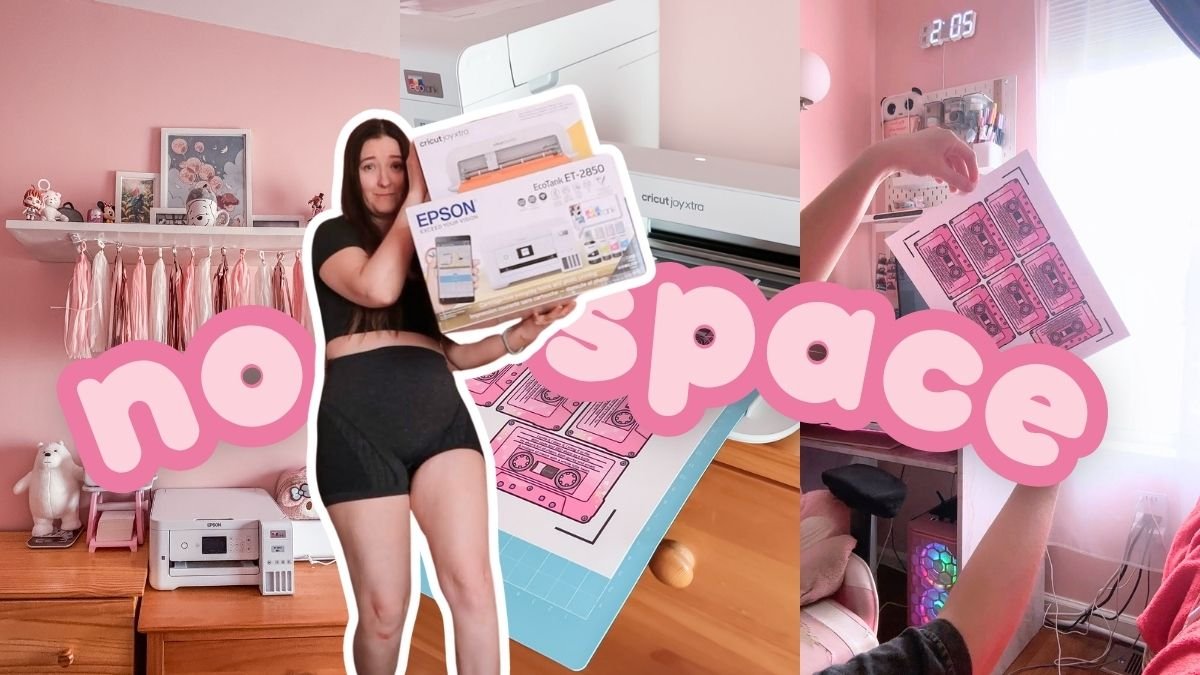
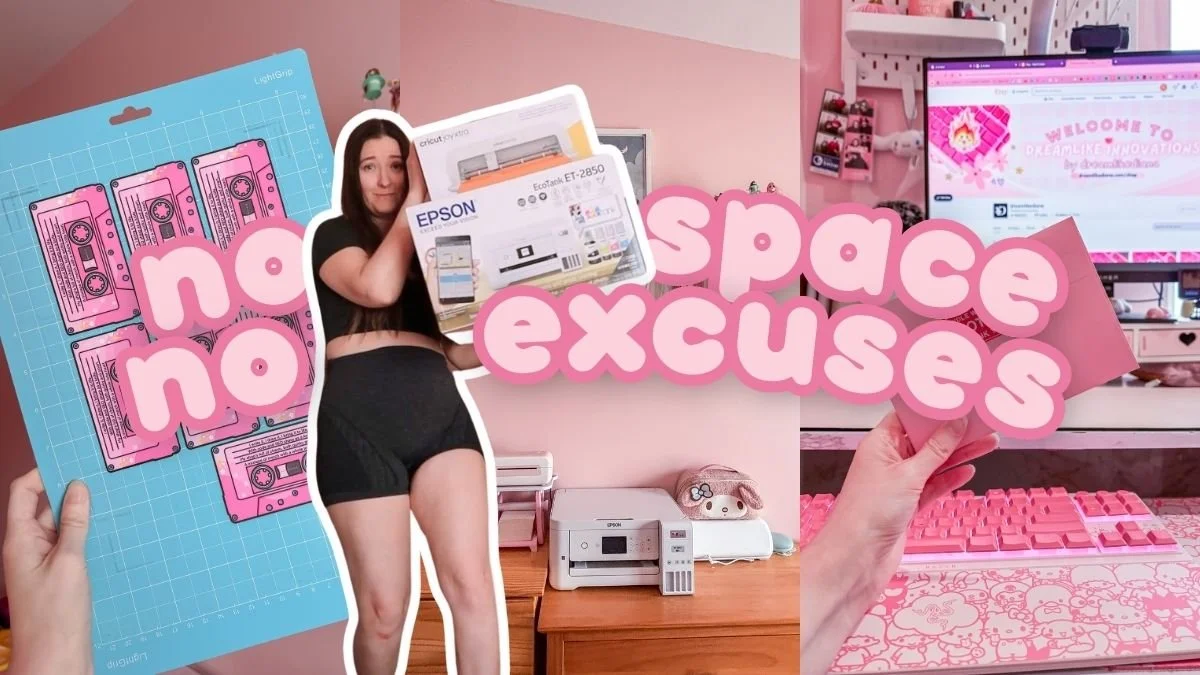
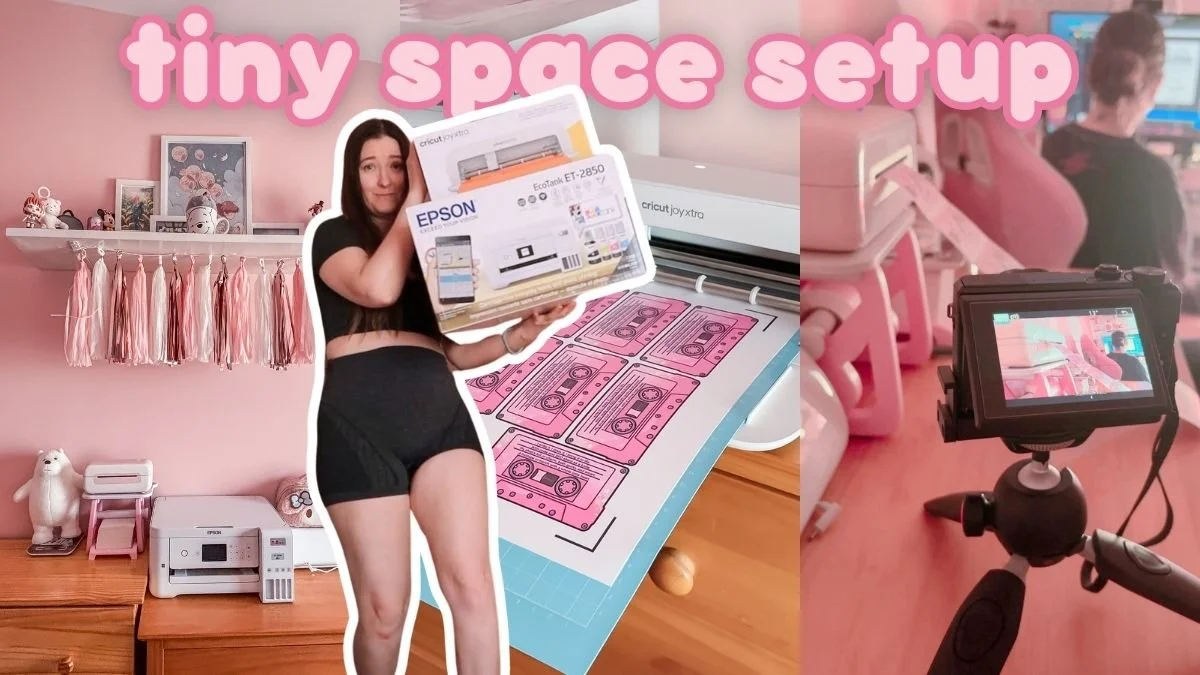
I did a YouTube thumbnail test, and the first thumbnail I chose actually performed the best. I'm not surprised—it looks great. Simple, eye-catching, and clearly communicates what the video is about.
I put it in the correct category: How To & Style was the perfect fit. Proper categorization helps YouTube recommend your video to the right audience.
I wrote a killer description without AI.
"At 92 square feet, my bedroom is literally smaller than a single dorm room. Literally, NO SPACE. But I make it work! It's funny because if you asked me if this was possible years ago, I would've said no. 'There's NO space, where would I put everything?!' Fast forward to now, I have the tools to change my mindset, and figure anything out! Everything is figureoutable, after all. Everything. Look I have space! And it turned into the best thing ever. But like I said in the video, this is all temporary. I just needed somewhere to start. If you're saying the same thing, maybe this video will inspire you. Because life is too short to wait on the perfect conditions for what you want to do."
The first line of your description, about 25 words/150 characters with keywords, with the most important details what your video is about shows up in YouTube search results, so I reiterated great keywords naturally. No AI could write this—it's too personal and specific to my story.
My first line is: At 92 square feet, my bedroom is literally smaller than a single dorm room. Literally, NO SPACE. But I make it work!
My subscribe button, like button, and end screen are uniquely MINE. I created them by hand. Hand-drawn, just like my products. They're branded, they're cohesive, and they look professional. I put in that work years ago, and it's still paying off. Brand consistency matters, even in the small details.
15. I Took Strategic Action After Publishing
The moment I hit "publish," I watched my video all the way through — start to finish. That first watch signals to the algorithm that it's worth watching, and it also lets me see how it flows in real time, as a viewer would. Then I took action: I left the first comment, followed up with a second, and replied to every single comment that came in. I embedded the video on my website right away to give it an extra boost of organic engagement.
I commented "Subscribe & Comment if you want to see this video sooner rather than later: 'all the costs of running my business (PO box, LLC, machines & more)'" and pinned it. This gave viewers a reason to subscribe (exclusive access to upcoming content) and started a conversation in the comments. Engagement begets engagement.
But here's what I didn't do: I didn't share it with friends, family, or blast it on social media. I worked in silence. Sometimes, protecting your energy matters more than forcing attention. I didn't want pity views or polite clicks — I wanted real data, genuine interest, and algorithmic traction. When you release something you're proud of, let it breathe on its own first. Trust the process, trust the platform, and most importantly, trust yourself.
16. I Took My Time With the Process
I did not edit this in one day. It took me a full week of editing about 2-5 hours a day. The time always fluctuated based on my energy and what needed to be done. But I always did a little every day. I'm glad I gave myself those breaks—it allowed me to come back with fresh perspective, better ideas, and more creativity. Burnout kills quality. Sustainable pacing creates it.
17. I Had a Strong Support System
My friend Liz is a huge reason why my shop and these YouTube videos exist. My boyfriend's support helped bring everything to life, but Liz truly listened to my worries and fears about business and YouTube. She's been amazing at talking me through things. Having a good support system and being mindful about who your friends are matters because not everyone has your back.
My family doesn't (first-gen problems), which I mentioned in the video as the reason I'm trying to move out. Choose your circle wisely.
What I Wish I Did Differently
Looking back at this video with fresh eyes and real data, here's what I'd change if I could do it over. This is the heart of fieldwork: analyzing what actually happened (not what you hoped would happen), being honest about your mistakes, and using those lessons to do better next time. Every upload is a test. Every metric tells you something. I don't think I'll ever create a video I consider "perfect," and honestly, that's a good thing. Perfection kills curiosity, and curiosity is where creativity actually lives. When you think you've arrived, you stop growing. You stop experimenting. You get arrogant. I'd rather keep learning, evolving, and trying new things than ever feel like I've figured it all out. Every video is just a snapshot of where I am in that moment—not a polished end result, but a reflection of my progress.
1. I Should Have Set Up Constant Frame Rate on All Cameras Sooner
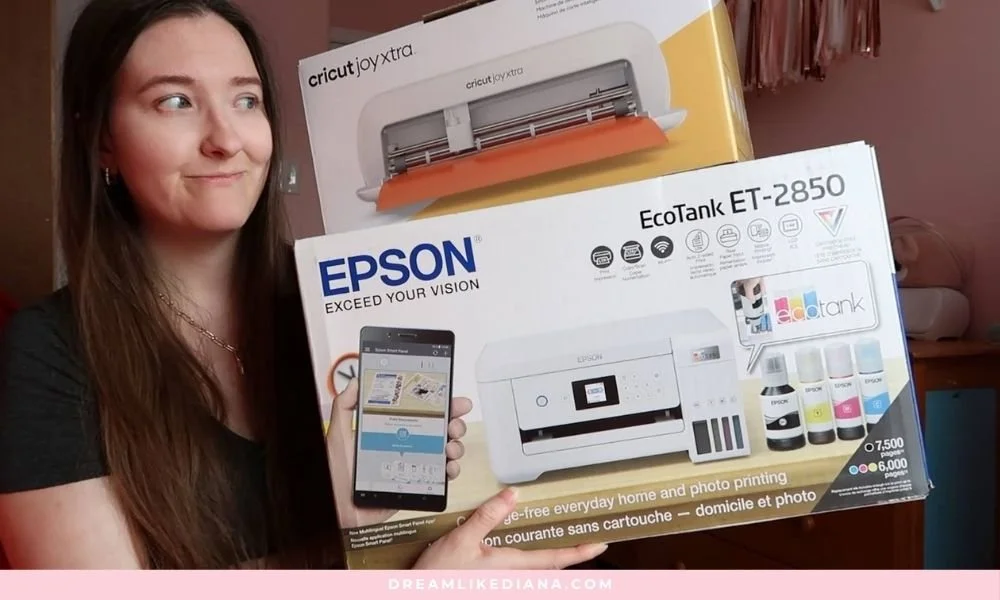
I use three different cameras in this video: iPhone 15, GoPro Hero 10, and Canon G7X Mark II. I didn't even know constant frame rate was a thing that mattered until I was deep in editing. The difference between cameras can be very apparent when you're cutting between them, especially in fast-paced sequences. Different frame rates create a slight jarring effect that most viewers won't consciously notice but will subconsciously feel. Now I know to set everything to the same frame rate before I even start filming. This would've saved me hours of trying to make clips look cohesive.
2. I Wish I Switched to DaVinci Resolve Sooner
I loved editing in DaVinci Resolve! Truly. But I've been using Adobe Premiere Pro for so long that I fumbled quite a bit with DaVinci when I first switched. I tried to use Premiere shortcuts but they didn't work out well for me, so I just had to relearn an entirely new program while editing this video. That added probably 30% more time to my editing process. I also can't edit in CapCut because it won't let me do advanced editing—it's too limiting for what I need. Premiere Pro makes me groan every time I open it. I'm never going back. But DaVinci Resolve has a learning curve that I'm still navigating! It's much easier to navigate and understand than Premiere Pro once you get past the initial hump, but I wish I'd taken the plunge sooner so I wasn't learning a new tool while also trying to create my best video yet.
3. I Judged Myself Too Harshly at First
In the beginning stages, I worried SO hard about how people were going to view me for my outfit choices in the clips. I'm in a crop top and booty shorts in the beginning—sue me, it was summertime and I live on the third floor. My bedroom gets EXTREMELY hot in the summer and extremely cold in the winter. I can't win. Almost always when I'm home, I'm in pajamas, and most of my pajamas are either crop-top-esque or really long shirts that look like I have no shorts underneath. I almost said something in the video to justify it or explain it away. My boyfriend was the one who said not to say anything about it—just let it be. And it's great that I listened to him because it's performing so well. This was my most natural self. Never again will I question my authentic self. If I look a mess, oh well! That is life! Women exist in comfortable clothes! Get over it!
4. I Desperately Wish I Had Proper Microphones
Audio editing took me FOREVER because I was working with camera mics that picked up everything—room echo, ambient noise, inconsistent levels. I want the new DJI Mic 2 (I think that's what they're called—maybe DJI Mics 3?). But I'm waiting to make sure I'm fully invested and consistent before I hit "buy now." I'm making myself prove I can put out X amount of videos before I invest in better equipment. But having dedicated mics would have made my life editing this video SO much easier and would have dramatically improved the audio quality.
5. My Custom Font Was Too Big
Fun fact: the font I used is one I made myself from my own handwriting, which is very on-brand. But looking back, it's too big on the video, I should have made of it slightly smaller. I'm still figuring out the right balance between readable and not overwhelming. I think the color is okay (very pink, very me), but the sizing needs adjustment. Small detail, but it matters.
6. I Forgot to Film Certain Things
I really hope in the future I can do better about this. I had to make do with what I had at times, which meant some transitions weren't as smooth as I wanted them to be, or some moments I referenced didn't have corresponding footage. The solution is simple: over-capture everything. Film more than you think you need. You can always cut it later, but you can't add footage you never captured.
7. Exporting in DaVinci Resolve Was a Nightmare
I really wish I'd learned the export settings earlier. I'm also using the free version of DaVinci Resolve, and I might buy the Studio version ($295) when I feel like I can justify that investment. But the free version has limitations I've had to work around, and one of the biggest is exporting. I have a built PC—it should be using my GPU to export quickly, but it doesn't because that's a paid-only feature. My exports take much longer than they should, which eats into my productivity. For now, it's not terrible. I make it work. But it's definitely something I'll upgrade once I hit certain revenue milestones in my business.
Overall Lessons
These are the deep, actionable takeaways synthesized from everything above. These lessons apply whether you're making videos, building a business, or just trying to create something from nothing.
1. Perfect Conditions Are a Myth—Start With What You Have Right Now
You have 92 square feet or 900 square feet—it doesn't actually matter. What matters is starting with what you have right this second. I could have waited until I had a "real studio" or a "proper workspace," but I would still be waiting. Meanwhile, I've completed 118 orders and grown my YouTube channel from this shoebox of a room. Your constraints don't define your limits—your willingness to work within them does. Stop waiting for ideal circumstances that may never come.
2. Authentic Always Beats Polished
The video where I looked "messy" and real is my best performer by far. This isn't an accident. People are tired of seeing overly curated, perfect content that doesn't reflect real life. They want to see the struggle, the figuring-it-out process, the actual mess behind the scenes. Stop curating yourself to death. Stop waiting until you look perfect or your space looks perfect or your circumstances look perfect. Show up as you are right now, and the right people will resonate with that truth.
3. Technical Skills Compound Over Time—Every Failure Is Training
Every failed video I made over the years taught me something that made this one successful. Audio levels, pacing, when to add music and when silence is more powerful, how to structure a story chronologically, which clips to keep and which to ruthlessly cut—these aren't things you learn from a course. You learn by doing. By failing. By analyzing what didn't work and adjusting. Each upload is training for the next one. Don't expect to be great immediately. Expect to get incrementally better every single time.
4. Trust Your Gut Over Algorithm Tools
TubeBuddy gave this video a 68/100 score, which is mediocre. The video has 1,321 views and gained me +48 subscribers. Tools are helpful, but they're not gospel. Your instincts about what's compelling, what's authentic, and what your specific audience wants will always beat a generic algorithm score. Use tools for data, not decisions. Make decisions based on your understanding of your audience and what feels right to you.
5. Strategic Withholding Is More Powerful Than Broadcasting
I didn't share this video to social media. I didn't tell friends or family. I didn't beg for views. The organic growth powered by YouTube's algorithm was better than any forced promotion would have been. When you share to your personal network, you often get pity views from people who don't care about your content—they're just being nice. Those views tell the algorithm "people click but don't watch," which tanks your reach. Let your content find its real audience naturally. Work in silence. Protect your energy from the evil eye and from people who secretly don't want you to succeed.
6. Community Changes Everything—Find Your People
One friend's order pushed me to set everything up. One person's consistent belief in me gave me courage to keep going when I doubted myself. My boyfriend's support allowed me to be vulnerable on camera. Having a real support system (not just people who tolerate your dreams, but people who actively champion them) is the difference between quitting and persevering. Choose your circle wisely. First-generation entrepreneurs especially need this—when your family doesn't understand or support you, your chosen family becomes everything.
7. Engagement Is a Strategic Game You Must Play Deliberately
Timestamps, pinned comments asking for specific engagement, replying to every comment, watching your own video immediately after upload, adding it to your website right away—these aren't vanity metrics or busy work. They're strategic moves that signal to the algorithm your content is valuable. They also build community and make viewers feel seen. Every interaction matters. Treat engagement like the business activity it is, not like an afterthought.
8. Pacing and Flow Can't Be Taught—Only Learned Through Repetition
It took me a week of editing to get the rhythm right on this video. You have to feel when something drags, when it needs to speed up, when to add music, when silence is more powerful, which clips to keep and which to cut even if you love them. This is an intuition you build over time by making a lot of content, watching it back critically, and noticing what works. There's no shortcut. You develop this sense through repetition and honest self-assessment.
9. Breaks Make Better Work—Sustainability Creates Quality
Editing 2-5 hours daily over a full week produced better results than any marathon editing session would have. Taking breaks allowed me to come back with fresh perspective, notice things I missed, have better creative ideas, and not burn out. Hustle culture wants you to believe you should work until you collapse. That's nonsense. Sustainable pacing where you give your brain time to rest and process creates higher-quality output. Protect your creative energy.
10. Your Constraints Are Your Advantage—Lean Into Them
My tiny space forced creative problem-solving that makes for more compelling content than a polished studio ever could. The limitation became the hook. The constraint became the story. Whatever you think is holding you back might actually be your unique selling point. Don't try to hide your constraints—put them front and center. Make them part of your brand narrative. People relate to struggle and resourcefulness far more than they relate to having everything handed to you.
11. Software and Tools Matter More Than You Think—Don't Suffer Unnecessarily
I stayed with Adobe Premiere Pro for way too long because it's what I knew, even though it made me groan every time I opened it. Switching to DaVinci Resolve changed my entire editing experience for the better. Don't suffer with tools that actively make your work harder just because you've already invested time learning them. Sunk cost fallacy is real. If something isn't serving you, find what does. The temporary discomfort of learning something new is worth it for long-term efficiency and enjoyment.
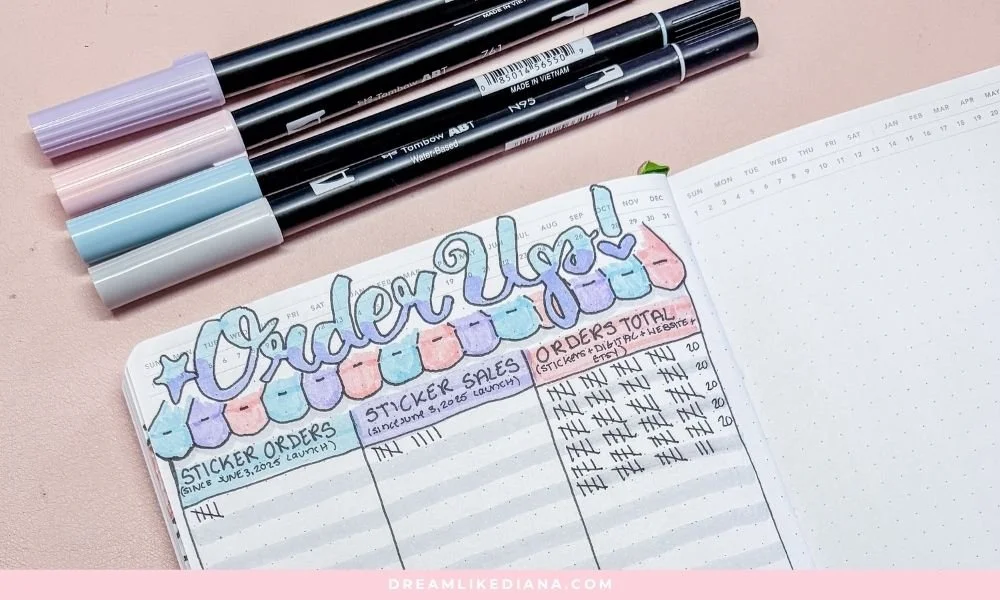
12. Document Everything, Even the Boring Setup—Process Is Compelling
The unboxing, the troubleshooting, the setup process, moving furniture around—these "boring" moments were actually more engaging than I expected because they showed the real, unglamorous work behind the scenes. People want to see the full journey, not just the highlight reel. Don't skip over the messy middle. That's where the real story lives. That's where people see themselves and think "if she can figure this out, maybe I can too."
The Bigger Picture: What This All Means
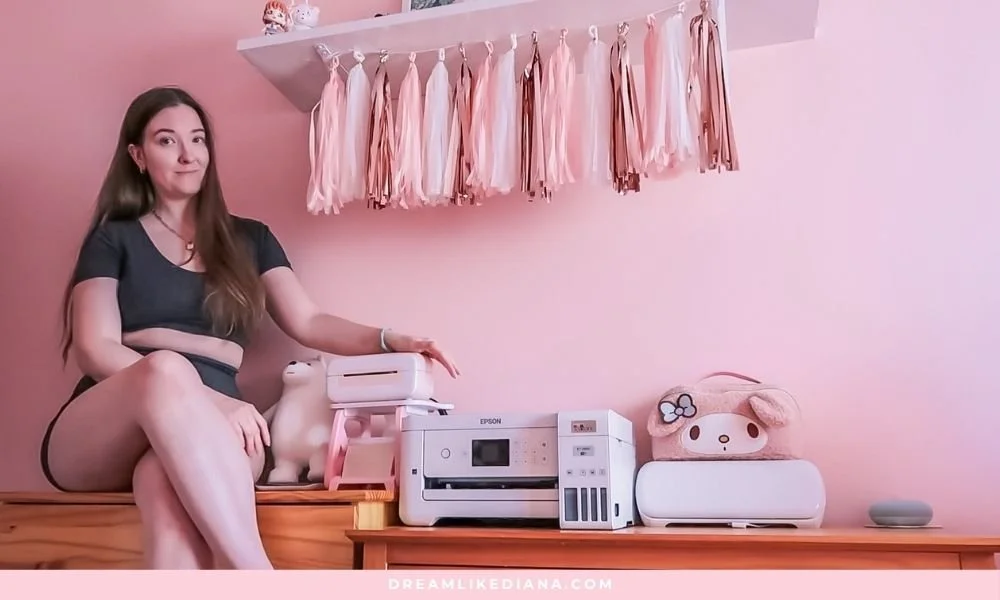
This video wasn't just about setting up equipment in a small space. It was about proving to myself that I could do this. That constraints don't equal impossibility. That starting imperfectly is infinitely better than never starting at all.
Every single element I analyzed above—the technical choices, the strategic decisions, the authentic moments, the mistakes—they all compound. None of them alone made this video successful. Together, they created something that resonated. This is the nature of real creative work: imperfect elements combining into something meaningful.
This is what fieldwork looks like in practice. You try something. You measure what happens. You analyze the data honestly, even when it reveals your mistakes. You extract lessons. You apply those lessons to the next attempt. Repeat forever. This is how actual expertise develops—through iteration rather than inspiration.
The video has 1,321 views and counting. It gained me 48 new subscribers who actually care about what I'm building. It got me comments, which are rare and precious on YouTube. It proved that my approach—messy, authentic, transparent—works.
But more than the metrics, it proved something deeper: I can figure this out. I can build something real from nothing. I can and will go all in on YouTube and my business. I can turn a shoebox bedroom into a functional business space. I can create content that matters to people. I can do this. This isn't arrogance—it's evidence-based confidence built on demonstrated results.
And if I can do this in 92 square feet with no family support, dealing with chaos at home, learning everything from scratch—you can do whatever you're putting off too. Your obstacles might feel uniquely valid, but they're probably not as insurmountable as you've convinced yourself they are.
You don't need permission. You don't need perfect conditions. You don't need expensive equipment or a beautiful space or ideal circumstances. These are comfortable lies we tell ourselves to justify inaction.
You need to start. You need to document. You need to analyze. You need to adjust. You need to keep going. That's the entire formula.
That's fieldwork. That's business. That's life.
Everything I do comes back to my business. Everything I do is training in disguise. This video trained me in project management, technical skills, storytelling, self-trust, and resilience. The business results are just the bonus. The real return was who I became through the process.
So what are you waiting for? What's your "I don't have space" excuse? What's your "it's not the right time" story? What's your "I'm not ready yet" narrative? These stories feel protective, but they're actually destructive.
Challenge them. Test them against reality. Start anyway.
Document the mess. Share the struggle. Build in public. Learn from what actually happens, not what you hoped would happen.
That's how you grow. That's how you win. That's how you build something real.
Subscribe to My YouTube Channel
If you want to follow along as I continue documenting this journey—the wins, the failures, the lessons, and everything in between—subscribe to my YouTube channel.
Every video is fieldwork. Every upload is a test. Every piece of content is me learning in public and sharing what I discover.
You're not just watching videos. You're watching someone build a business in real-time, make mistakes, figure things out, and document every step of the process transparently.
Because everything I do is business training in disguise. And you're invited to learn alongside me.